




Above ground pools(278)
Add an above-ground pool to cool off and enjoy hot summer days in your backyard.
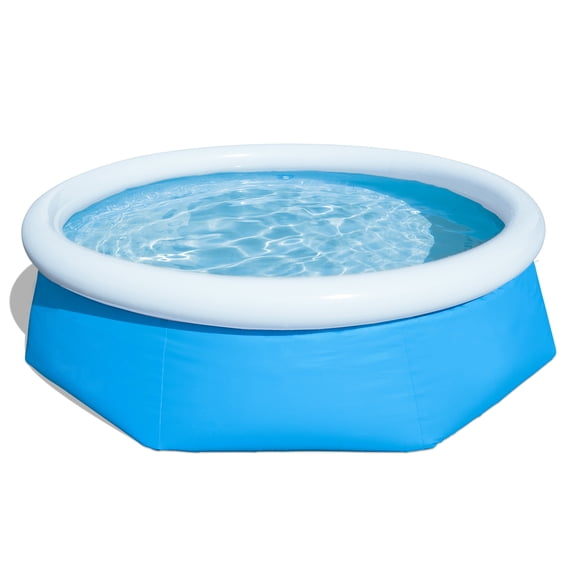


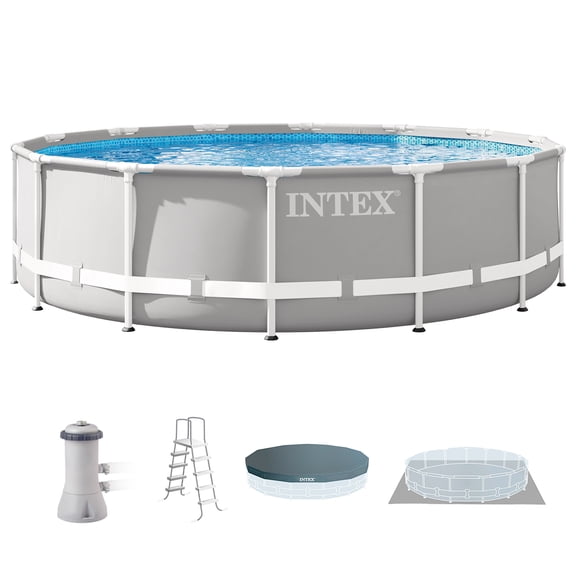
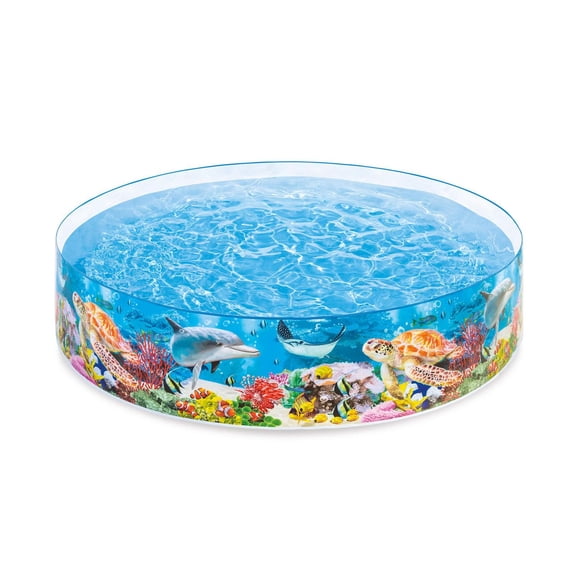
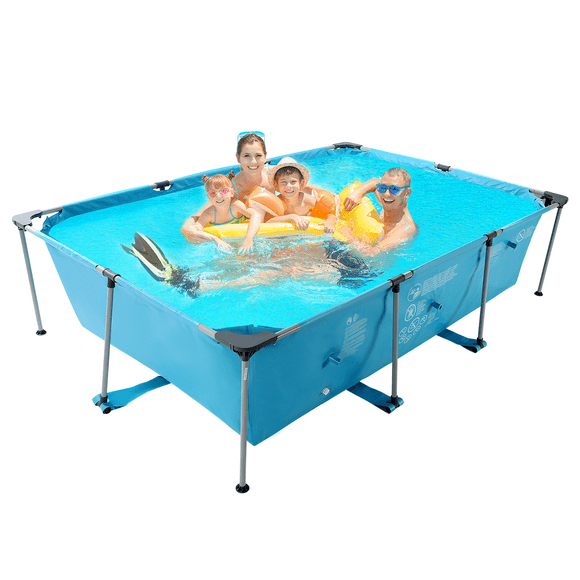
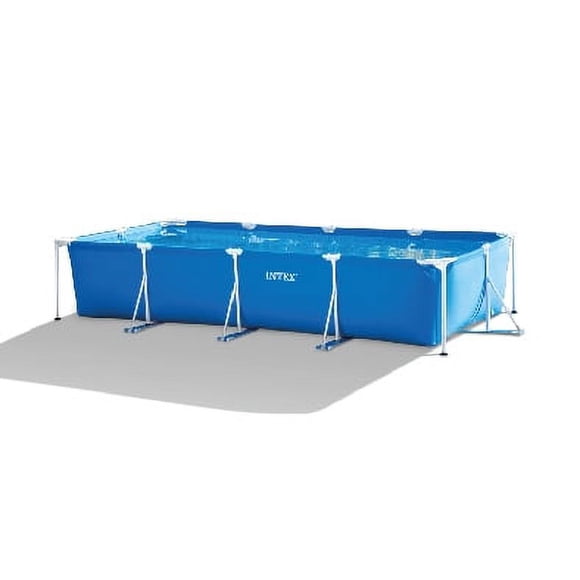
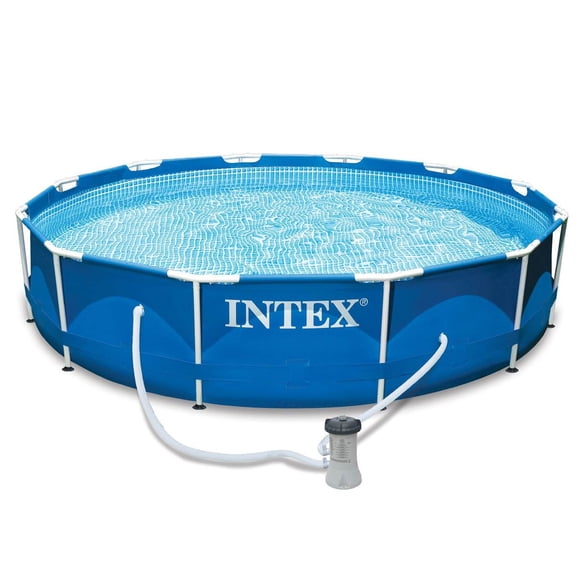
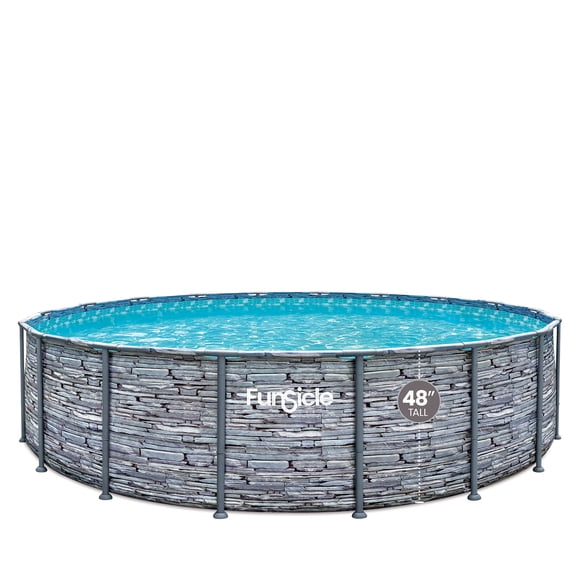

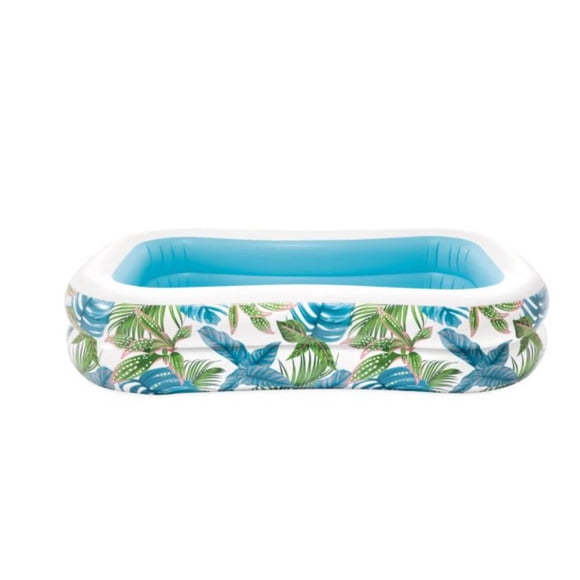
FAQs: Above ground pool
What should I know before getting above ground pool?
Before purchasing an above ground pool, think about your available backyard space, the ground surface, and how much time you can dedicate to maintenance. Consider pool size, depth, and shape, round pools are often easier to install, while oval pools provide more swimming space. You’ll also want to decide whether you prefer a steel, resin, or hybrid frame. Each has its own durability and budget considerations. Don’t forget safety: some municipalities in Canada may require a fence or specific permits. Planning ahead helps you choose the right pool liner, pump, and filtration system, ensuring a safe and enjoyable swimming
How expensive is it to install an above ground pool?
The cost of installing an above ground pool depends on the size, type, and whether you do it yourself or hire professionals. Smaller round pools are generally more affordable and easier to install, while larger oval pools may require more preparation. On average, installation costs can range from a few hundred dollars for a DIY setup to several thousand for professional installation. Additional expenses include pool liners, filtration systems, decking, and ladders. If your backyard requires ground levelling, that may add to the cost.
How long do above ground pools last?
The lifespan of an above ground pool varies depending on the materials and how well it’s maintained. On average, steel-frame pools can last between 7–15 years, while resin or hybrid pools may last even longer due to resistance against rust and corrosion. The pool liner usually needs replacement every 5–9 years, depending on care and exposure to sun or harsh weather. Regular maintenance such as keeping the water balanced, cleaning the filter, and inspecting the frame plays a huge role in extending the life of your pool. Using a pool cover during the off-season also helps protect it from debris and harsh Canadian winters. With proper upkeep, an above ground pool can provide many summers of fun
Do I need a fence around my above ground pool?
In most Canadian provinces, pool safety regulations require a fence or barrier around pools deeper than a certain depth, usually 24 inches (about 61 cm). Even if your pool is technically exempt, adding a fence is strongly recommended for safety, especially if you have children or pets. A fence not only reduces accident risks but also helps keep unwanted visitors or wildlife out of your backyard oasis. Some homeowners also choose to build pool decks, which can double as both a safety feature and a convenient lounging area. Before installing, check your local bylaws so you can enjoy your pool worry-free while staying compliant with community regulations. Safety should always come first.
What not to do with an above ground pool?
To keep your pool in top condition, avoid placing it directly on uneven ground or near trees, since roots and falling debris can cause damage. Don’t use harsh cleaning chemicals that aren’t designed for pool care, as they can wear down the liner. Leaning or sitting on pool walls is another no-go, since it may weaken the frame over time. Skipping regular water testing or forgetting to clean the filter system can also shorten the pool’s lifespan. Finally, avoid draining the pool completely unless absolutely necessary doing so can damage the liner. Taking these precautions helps protect your investment and ensures your above ground pool remains a safe, fun spot for years.
What is the best thing to put underneath an above-ground pool?
A solid, level foundation is crucial for above ground pools. Most people choose to place their pool on a firm surface such as compacted sand, foam padding, or a protective pool base. These materials prevent sharp objects from puncturing the liner and help distribute weight evenly across the ground. Avoid setting up your pool directly on grass, as it may lead to uneven settling or growth beneath the liner. Some homeowners also install ground cloths or tarps for extra protection and stability. Taking the time to prepare a good base not only makes installation smoother but also helps extend the life of your pool liner and frame. A proper foundation ensures a safer, more enjoyable swimming experience.
Do above ground pools require maintenance?
Yes, just like in-ground pools, above ground pools require regular maintenance to stay clean and safe. The key tasks include balancing water chemistry, running the filtration system, and cleaning the pool walls and floor. Skimming debris, vacuuming, and checking the liner for small tears should also be part of your routine. Using pool covers during off-season months or when not in use can reduce cleaning needs and protect against weather damage. Maintenance doesn’t have to be overwhelming setting a schedule helps keep tasks manageable. By investing a little time each week, you’ll extend the life of your pool and make sure the water stays crystal clear for every swim.
When should I clen above ground pool?
An above ground pool should be cleaned regularly throughout the swimming season. Skim the surface daily to remove leaves, bugs, or other debris. Vacuuming the pool weekly helps keep the water clear and prevents buildup on the bottom. You should also brush the walls and floor every week or two to prevent algae growth. The filter system should be checked and cleaned as recommended by the manufacturer. In Canada, it’s also important to give your pool a deep clean before closing it for winter and again before reopening in spring. Regular cleaning not only makes the water more inviting but also protects your pool liner and equipment, extending the overall lifespan.