


Cat carriers(886)
Buy a comfortable cat carrier, so you can travel with your feline friend and take them to the vet.
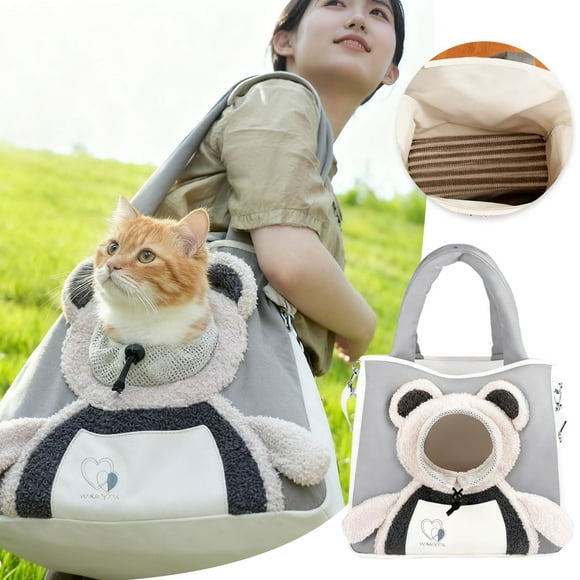



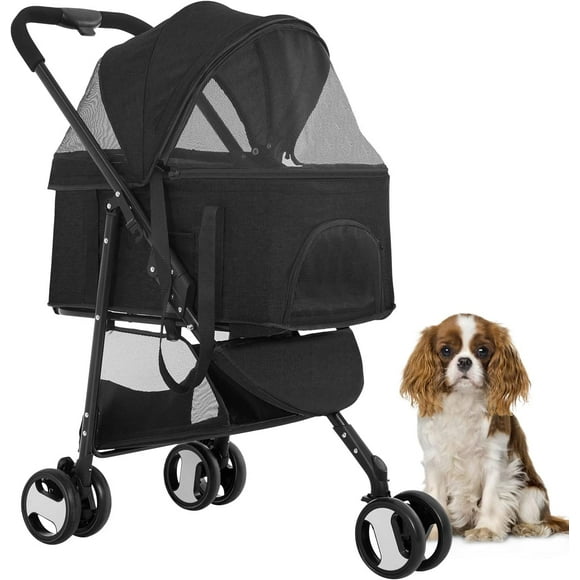

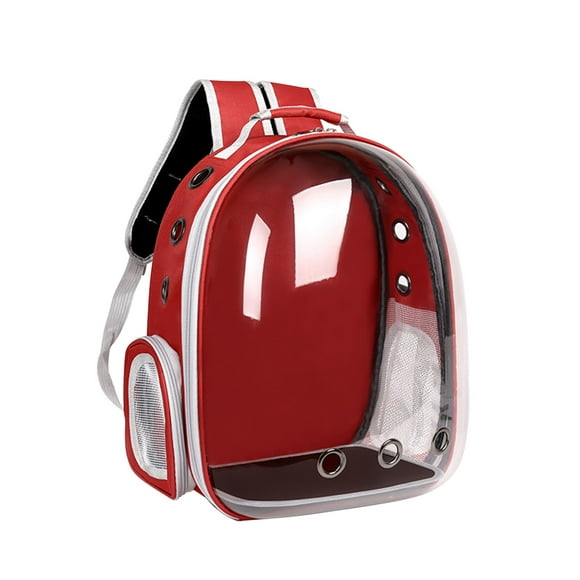


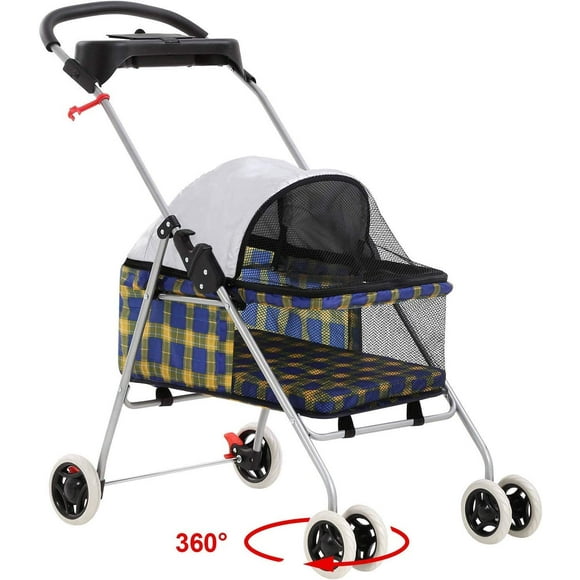



FAQ about Cat Carriers
What is the best type of cat carrier for travel?
The best type of cat carrier for travel is one that is secure, comfortable, and easy to transport. Hard-sided carriers offer strong protection and are ideal for car rides or vet visits. Soft-sided carriers are lightweight and often approved for airline use, but should have good ventilation and sturdy zippers. Choose a carrier that fits your cat’s size, allowing it to stand, turn, and lie down comfortably. Look for padded interiors and handles or straps that make carrying easier. Always ensure the carrier is escape-proof and well-ventilated to keep your cat safe and calm during travel.
How do I choose the right size carrier for my cat?
To choose the right size carrier for your cat, measure your cat’s length from nose to base of tail and height from floor to top of head. The carrier should be large enough for your cat to stand, turn around, and lie down comfortably. Avoid carriers that are too tight or overly spacious, as both can cause stress. Check the weight limit to ensure it supports your cat’s size. If your cat is still growing, consider a slightly larger model. A properly sized carrier helps keep your cat secure and relaxed during travel or vet visits.
Are soft or hard carriers better for cats?
Both soft and hard carriers have benefits depending on your cat’s needs and travel style. Soft carriers are lightweight, easier to carry, and more comfortable for short trips or vet visits. They often have mesh panels for ventilation and visibility, which can help reduce stress. Hard carriers offer more protection and durability, especially for long travel or anxious cats. They’re easier to clean and provide a secure space during car rides or flights. Choose based on your cat’s temperament, travel frequency, and safety requirements. A well-ventilated, secure, and appropriately sized carrier ensures comfort and reduces travel anxiety.
What features should a good cat carrier have?
A good cat carrier should be sturdy, lightweight, and well-ventilated to ensure comfort and safety during travel. It must have secure latches or zippers to prevent escape and a stable base to avoid tipping. The interior should be spacious enough for the cat to stand, turn, and lie down comfortably. Easy access through top or side openings helps with placing and removing the cat. A padded handle or shoulder strap adds convenience for the owner. Some carriers include removable liners for cleaning and pockets for storing essentials. Always choose a carrier that suits your cat’s size and travel needs.
How long can a cat stay in a carrier?
Cats can stay in a carrier for several hours if necessary, but it’s important to ensure they are comfortable, calm, and have access to ventilation. For short trips like vet visits, one to two hours is usually fine. For longer travel, plan breaks every few hours to offer water and allow stretching if safe. Never leave a cat in a carrier unattended for extended periods, especially in hot or cold environments. Stress levels can rise quickly, so monitor your cat’s behavior and adjust as needed. A well-prepared carrier with soft bedding helps make the experience less stressful.