









Wet Cat Food(872)
Explore wet cat food, including cans, for complete balanced nutrition.




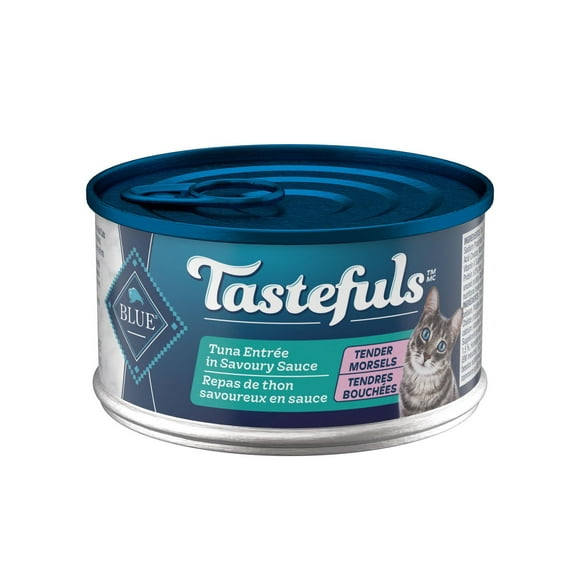
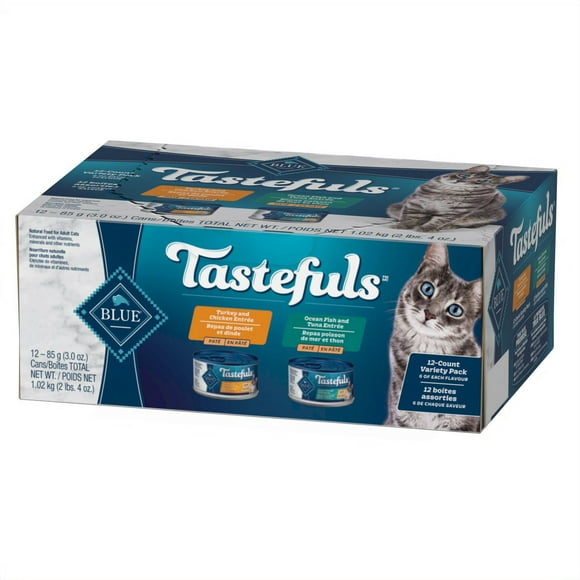

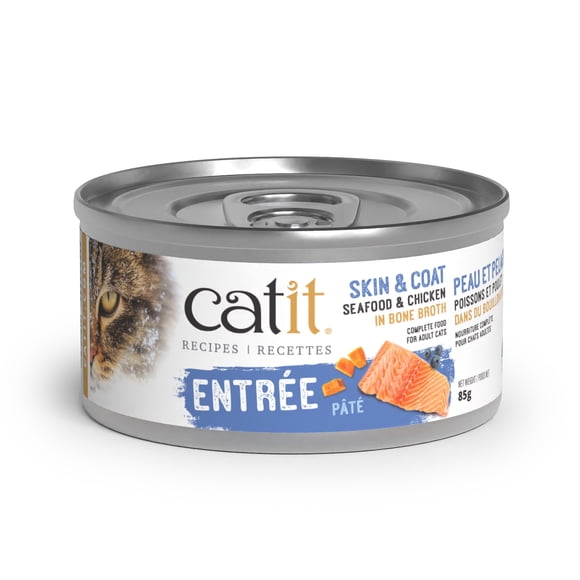
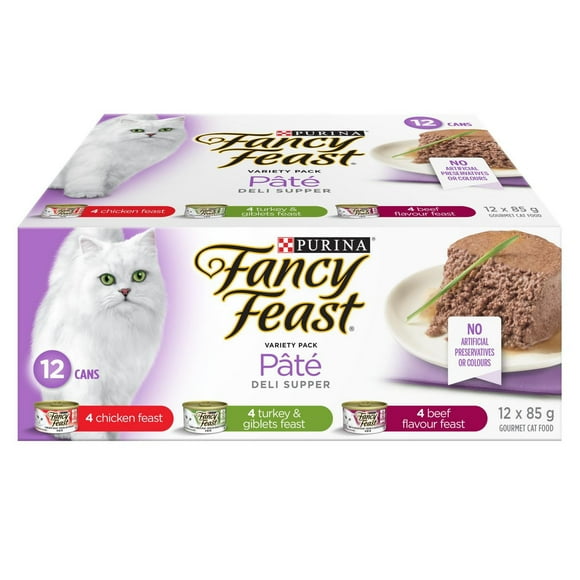
FAQ – Wet Cat Food
What are the benefits of feeding my cat wet food?
Feeding your cat wet food can provide numerous benefits for their overall health and well-being. Wet food is typically higher in moisture content compared to dry food, which can help to keep your cat's skin and coat healthy and shiny. The higher moisture content can also aid in digestion and reduce the risk of urinary tract issues. Additionally, wet food often has a lower carbohydrate content compared to dry food, which can be beneficial for cats who are prone to obesity or diabetes. Furthermore, wet food can be more palatable for cats, making mealtime a more enjoyable experience. Overall, incorporating wet food into your cat's diet can be a great way to provide them with a balanced and nutritious meal.
How often should I feed my cat wet food?
The frequency of feeding your cat wet food depends on several factors, including their age, size, and activity level. Generally, kittens require more frequent feedings than adult cats, typically every 8-12 hours. Adult cats can be fed 2-3 times a day, while senior cats may require fewer feedings, typically 1-2 times a day. It's also important to consider your cat's individual needs and adjust their feeding schedule accordingly. For example, cats who are prone to obesity may require fewer feedings, while cats who are highly active may require more frequent feedings. Always consult with your veterinarian for personalized feeding recommendations.
Can I feed my cat wet food as a treat or is it a complete meal?
Wet food can be used as a treat or as a complete meal, depending on your cat's individual needs and dietary requirements. If you're using wet food as a treat, it's best to limit the amount to 10% of your cat's daily calorie intake to avoid overfeeding. However, if you're using it as a complete meal, it's recommended to consult with your veterinarian to ensure it meets your cat's nutritional needs. Some wet foods are formulated to be complete and balanced, while others may be designed to supplement a dry food diet. Always check the label for nutritional information and consult with your veterinarian if you're unsure about using wet food as a complete meal.
What are the key ingredients in wet cat food that make it nutritious for my cat?
Wet cat food typically contains a combination of key ingredients that provide essential nutrients for your cat's overall health and well-being. These ingredients may include high-quality protein sources such as chicken, salmon, or beef, which provide essential amino acids for muscle growth and maintenance. Wet cat food may also contain complex carbohydrates like rice, oats, or potatoes, which provide energy and fiber. Additionally, wet cat food often includes essential vitamins and minerals like vitamin A, vitamin D, calcium, and phosphorus, which support overall health and development. Some wet cat foods may also contain omega-3 fatty acids, which support skin and coat health. Always check the label to ensure the ingredients meet your cat's specific nutritional needs.
Can I store wet cat food at room temperature or does it need to be refrigerated?
Wet cat food typically requires refrigeration to maintain its safety and quality. Once opened, it should be stored in the refrigerator at a temperature of 4°C (39°F) or below to prevent bacterial growth and spoilage. It's recommended to use the food within 3 to 5 days of opening. If you don't plan to use the entire can or pouch within that timeframe, it's best to freeze it for later use. When frozen, wet cat food can be stored for up to 2-3 months. Always check the expiration date and follow the manufacturer's storage instructions to ensure the food remains safe and nutritious for your cat.