

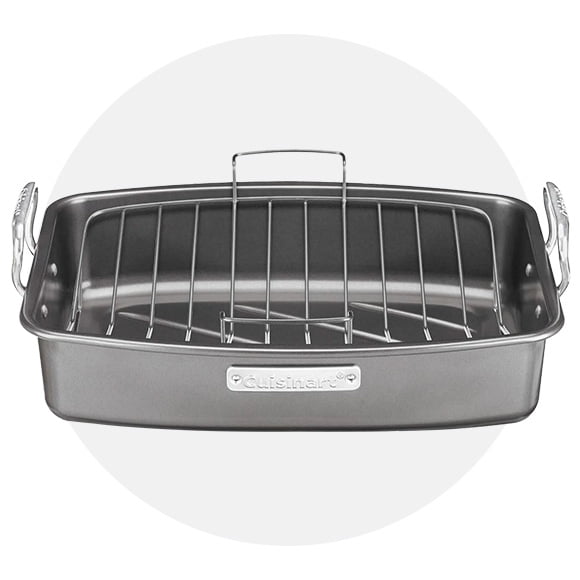
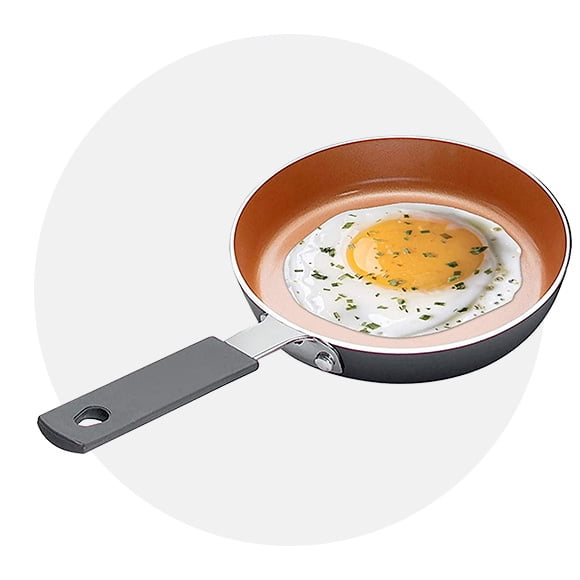
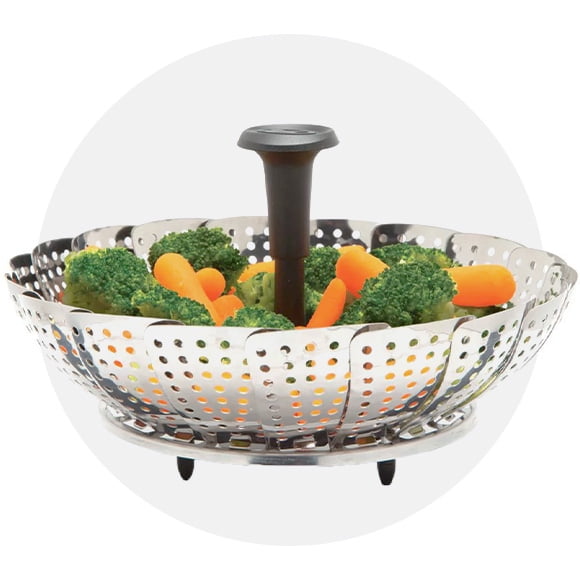
Cookware sets(1000+)
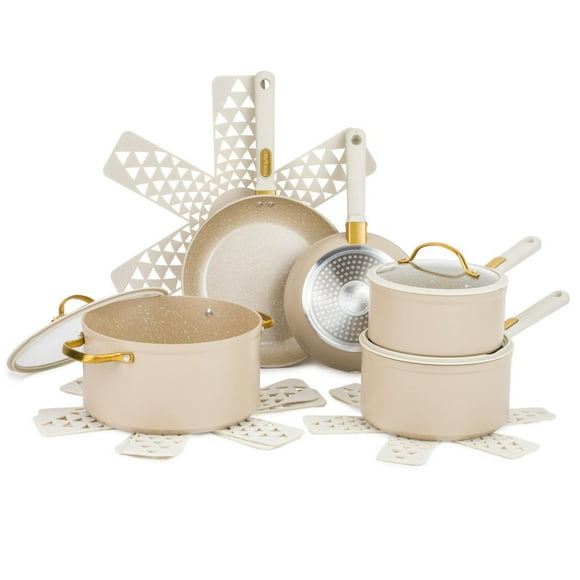
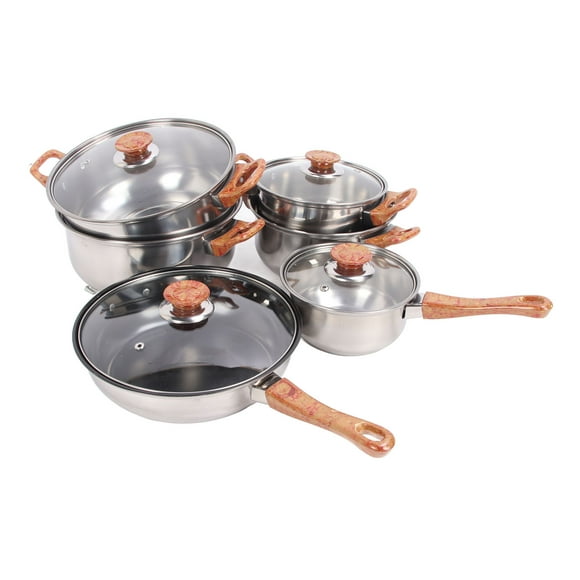
Cook with confidence using quality cookware sets which include stainless and non-stick pots and pans.



FAQs About Cookware Sets
What should I look for when choosing a cookware set?
When choosing a cookware set, consider material, versatility, size, and durability. Stainless steel is durable and non-reactive, perfect for searing and sautéing, while non-stick coatings make cooking and cleaning easier. Look for sets that include essential pieces like saucepans, frying pans, stockpots, and lids, so you’re prepared for a variety of recipes. Check whether the set is compatible with your stovetop, including induction if needed, and whether pieces are oven-safe. Comfort and usability matter too—handles should be heat-resistant and securely attached. Finally, consider maintenance: dishwasher-safe pieces save time, while materials like cast iron require seasoning but offer excellent heat retention. A well-chosen cookware set balances performance, convenience, and longevity, helping you cook with confidence every day.
What materials are cookware sets made from, and which is best?
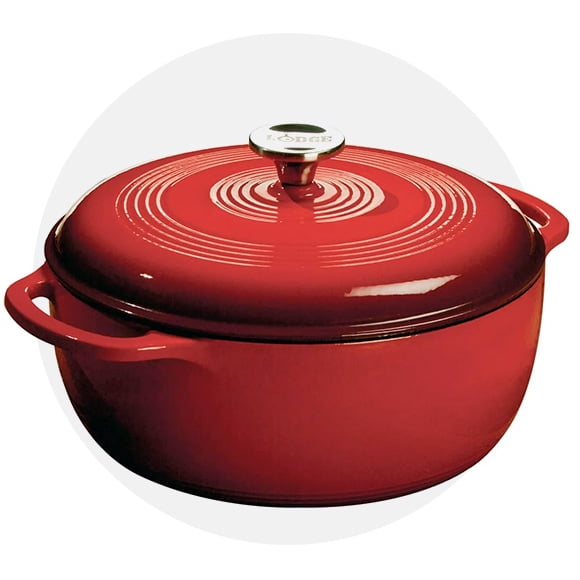
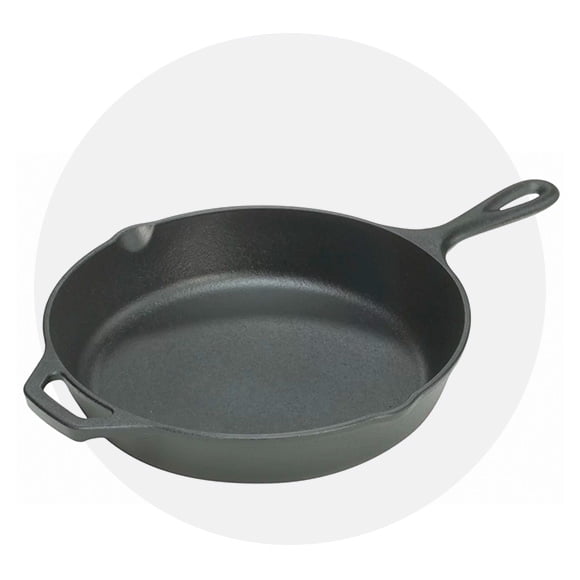
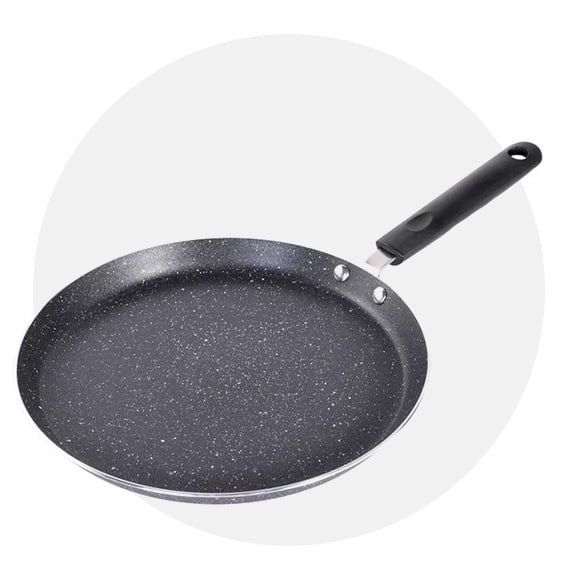
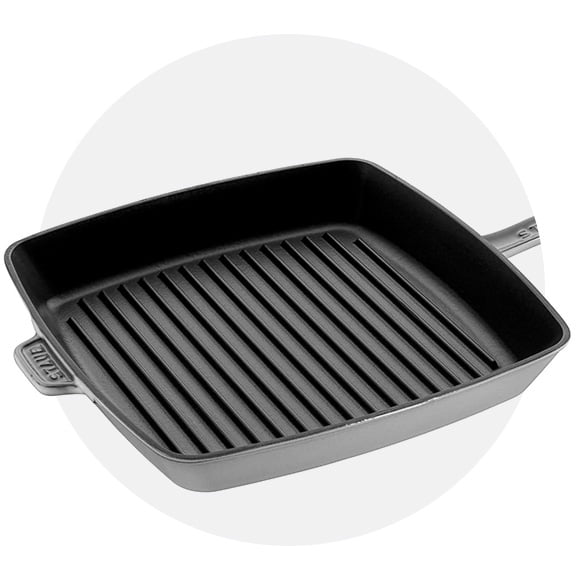
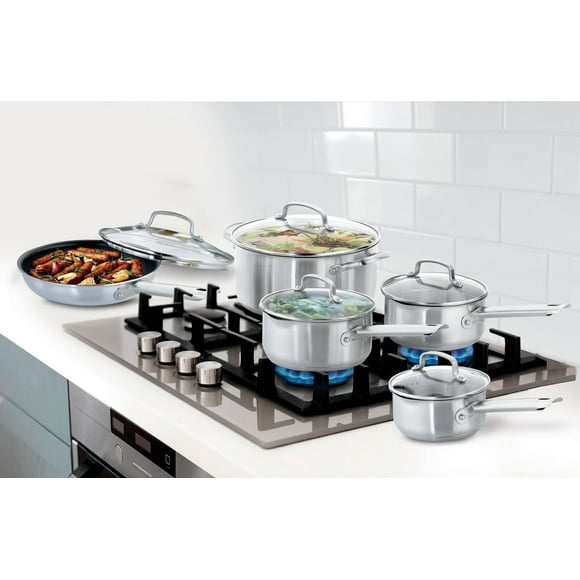
Cookware sets are made from a variety of materials, each with its own benefits. Stainless steel is durable, non-reactive, and great for browning, sautéing, and everyday use. Aluminum heats quickly and evenly, often paired with non-stick or stainless steel for added performance. Copper offers precise temperature control, perfect for delicate sauces, but requires more maintenance. Non-stick coatings make cooking and cleanup easy, ideal for eggs and pancakes, while ceramic-coated cookware provides a chemical-free non-stick option. Cast iron excels at heat retention and is perfect for searing, roasting, and baking, though it needs seasoning and careful care. The “best” material depends on your cooking style, maintenance preferences, and stovetop type—many home cooks prefer stainless steel or a combination of materials for versatility and durability.
Do cookware sets work on all types of stovetops?
Not all cookware sets work on every type of stovetop, so it’s important to check compatibility before buying. Stainless steel, aluminum, and non-stick cookware generally work on gas, electric, and ceramic stovetops. However, induction cooktops require cookware with a magnetic base, such as stainless steel or cast iron—aluminum and copper alone won’t work unless they have a magnetic layer. Some cookware sets are labeled “induction-ready” for convenience. Oven-safe pieces are also worth considering if you plan to finish dishes in the oven. Choosing a set that matches your stovetop ensures efficient heating, even cooking, and long-lasting performance, so you can cook with confidence no matter your kitchen setup.
How many pieces should a cookware set have?
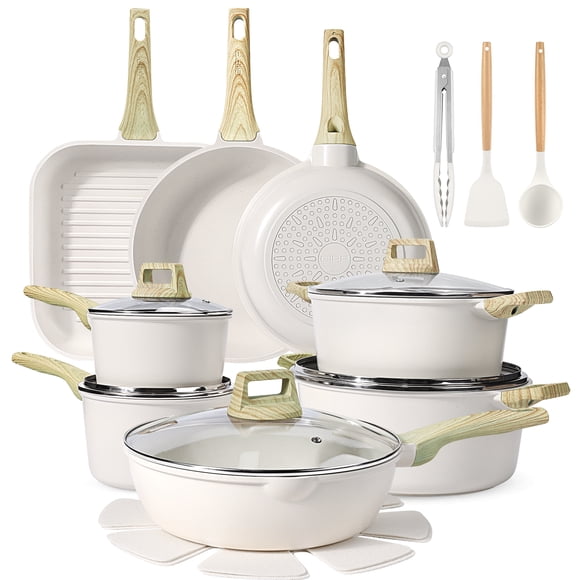
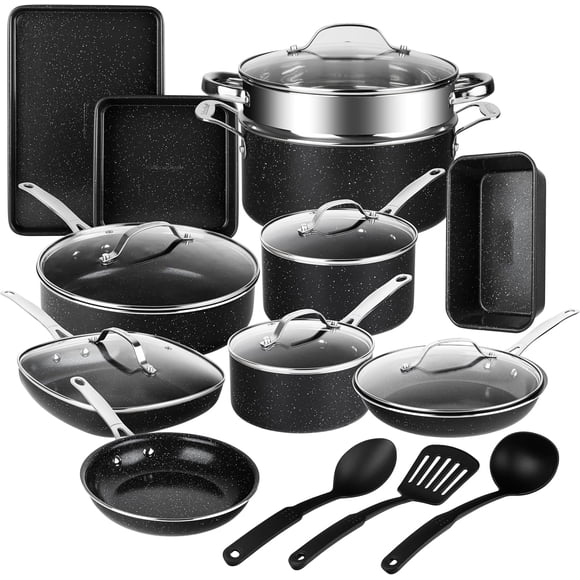
The number of pieces in a cookware set depends on your cooking needs, kitchen space, and lifestyle. Small sets (5–7 pieces) usually include essentials like a saucepan, skillet, and stockpot, making them perfect for singles or small families. Medium sets (10–12 pieces) often add extras like sauté pans, lids, or a roasting pan, offering more versatility for everyday meals. Large sets (15+ pieces) include specialty items like griddles, steamer inserts, or multiple sizes of pots and pans, ideal for avid cooks or families who prepare varied meals. When choosing, focus on quality over quantity—a well-selected set with the pieces you actually use is better than a larger set with items that sit unused. This ensures your cookware is both practical and long-lasting.
How do I clean and maintain my cookware set?
Proper cleaning and maintenance keep your cookware set performing well and lasting for years. Stainless steel and non-stick pans can usually be washed with warm, soapy water and a soft sponge; avoid abrasive scrubbers that can scratch surfaces. Non-stick pans benefit from hand washing even if labeled dishwasher-safe. Cast iron requires seasoning and careful drying to prevent rust. Always allow cookware to cool before cleaning to avoid warping. Lids, handles, and detachable parts should be cleaned thoroughly to remove food residue. Regular maintenance, like polishing stainless steel and re-seasoning cast iron, not only preserves appearance but also ensures even cooking and long-lasting performance. Following the manufacturer’s care instructions helps your set stay safe, efficient, and beautiful for years.
What’s the difference between copper, aluminum, and stainless steel cookware?
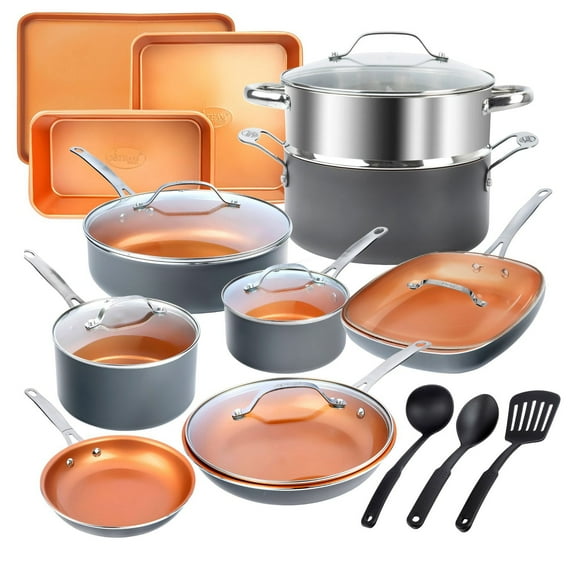
Copper, aluminum, and stainless steel cookware each offer unique benefits. Copper heats quickly and provides precise temperature control, making it ideal for delicate sauces and tasks that require accuracy, though it requires regular polishing to maintain its shine. Aluminum is lightweight and distributes heat evenly, often used with non-stick or stainless steel coatings to prevent reactions with food. Stainless steel is durable, non-reactive, and excellent for searing, sautéing, and everyday cooking, though it heats more slowly than copper or aluminum unless it has an aluminum or copper core. Many high-quality sets combine materials—like stainless steel with an aluminum or copper base—to offer the best of both worlds: durability, even heat, and easy maintenance. Choosing the right material depends on your cooking style, maintenance preference, and budget.
Do all cookware sets include frying pans/skillets?
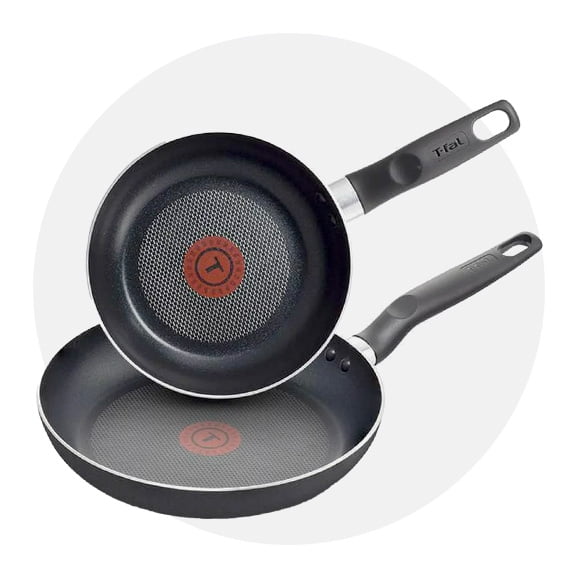
Most cookware sets include at least one frying pan or skillet, as it’s essential for everyday tasks like sautéing, frying, and browning. Smaller sets might come with a single medium-sized skillet, while larger sets often include multiple sizes to suit different cooking needs. Some specialty sets may also add non-stick or ceramic-coated skillets for easy cooking and cleanup. If a frying pan is particularly important to you, check the product description to ensure the set includes the right sizes and materials for your recipes. Having the right skillet in your set makes your cookware versatile and ready for everything from quick weeknight meals to more elaborate dishes.