


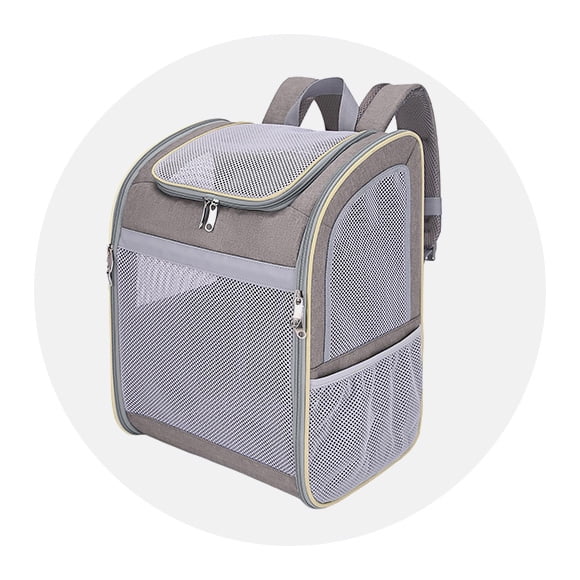
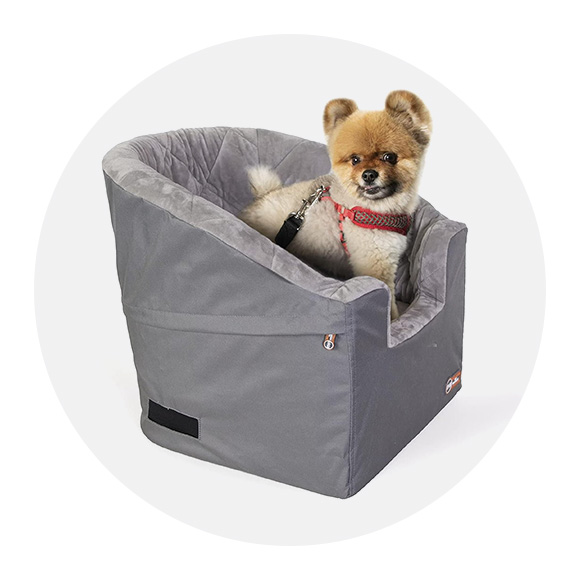
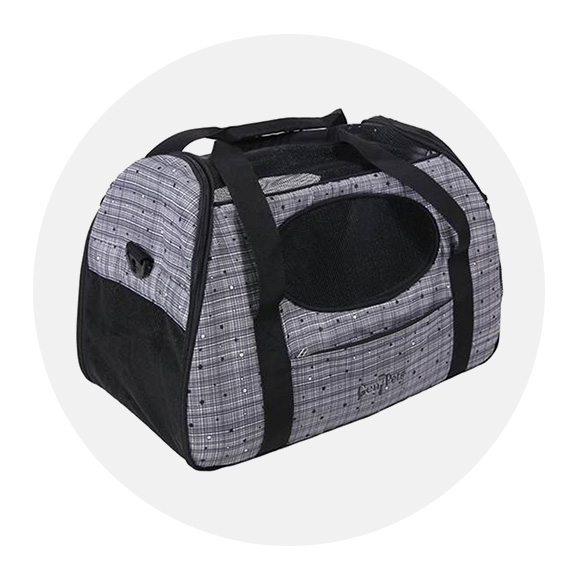
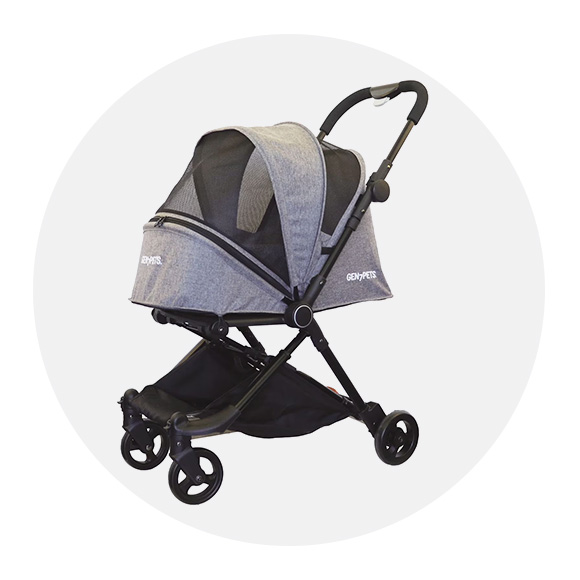


Dog carriers & dog bags(1000+)
Transport pets conveniently and securely using dog carriers.









FAQ about Dog Carrier
What size dog carrier should I get for my pet?
Choose a carrier that allows your dog to stand, turn around, and lie down comfortably. Measure your dog’s height (from floor to top of head) and length (from nose to base of tail). Add 2–4 inches to each measurement when selecting a carrier. Weight limits listed by manufacturers are helpful but not the only factor—physical dimensions matter more. A snug but spacious fit helps reduce stress and prevents injury during travel. Double-check airline or transport regulations if traveling, as size requirements may vary.
Are soft or hard-sided dog carriers better?
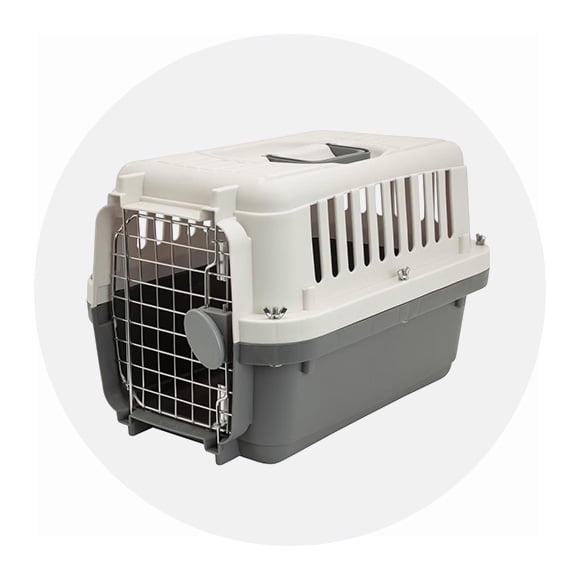
The choice depends on your dog’s size, temperament, and travel plans. Soft-sided carriers are lighter, easier to store, and generally accepted for in-cabin airline travel. They work best for small, calm dogs. Hard-sided carriers offer more protection and are ideal for larger or more anxious dogs, or for longer trips where durability is key. If your dog tends to chew or scratch, hard-sided options may last longer. Consider ventilation, door access, and interior padding regardless of type. Ultimately, your dog’s comfort and safety should guide your decision.
Can I use a dog carrier for air travel?
Yes, many dog carriers are designed for air travel, especially for in-cabin use. Airlines typically require soft-sided carriers that fit under the seat. Check specific airline guidelines for carrier dimensions, ventilation, and material. Your dog must be able to turn around and lie down inside the carrier. For cargo travel, hard-sided carriers are usually required and must meet International Air Transport Association (IATA) standards. Label the carrier with your contact information and your pet’s details. Book flights early and confirm pet travel policies directly with the airline.
How do I get my dog used to a carrier?
Introduce the carrier gradually in a calm environment. Leave it open and let your dog explore it at their own pace. Place treats, toys, or a familiar blanket inside to make it inviting. Avoid forcing your dog in. Start with short practice sessions, gradually increasing time spent inside. Praise and reward calm behavior. Once your dog is comfortable, take short trips around the house or neighborhood. Be patient—adjusting can take days or weeks. A familiar and positive association with the carrier helps reduce anxiety during travel or vet visits.
How do I clean and maintain a dog carrier?
Regular cleaning keeps the carrier hygienic and odor-free. For soft-sided carriers, check if the padding or liner is machine washable. Use a vacuum to remove loose fur and dirt. Wipe the interior and exterior with mild soap and warm water, avoiding harsh chemicals. Let everything dry completely before reuse. For hard-sided carriers, remove detachable parts and clean them separately. Disinfect occasionally, especially after illness or outdoor travel. Inspect zippers, mesh, and handles for wear or damage. Proper maintenance ensures your dog’s comfort and prolongs the carrier’s life.