


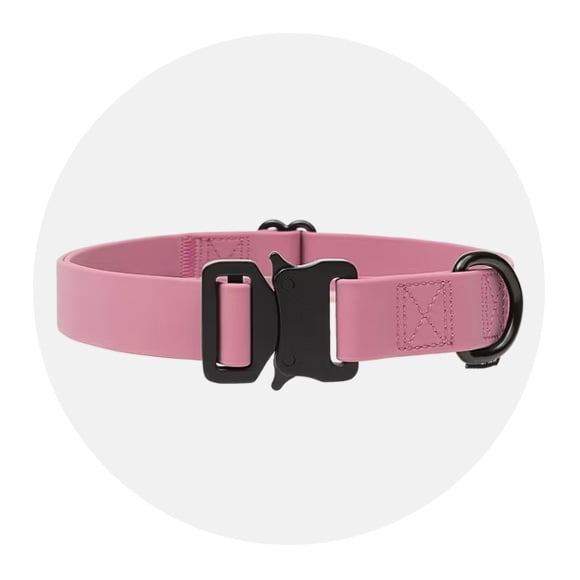
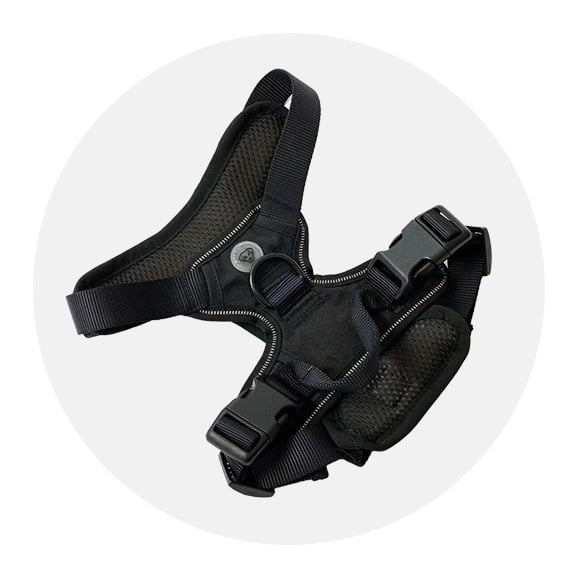
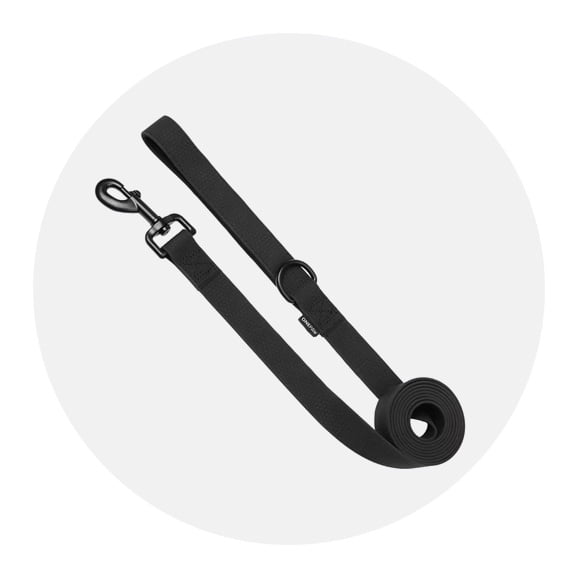
Dog Harnesses, Leashes & Collars(1000+)
Walk safely and train pets effectively using dog collars leashes harnesses.








FAQ - Dog Walking Gears
What type of harness or collar should I choose for walks?
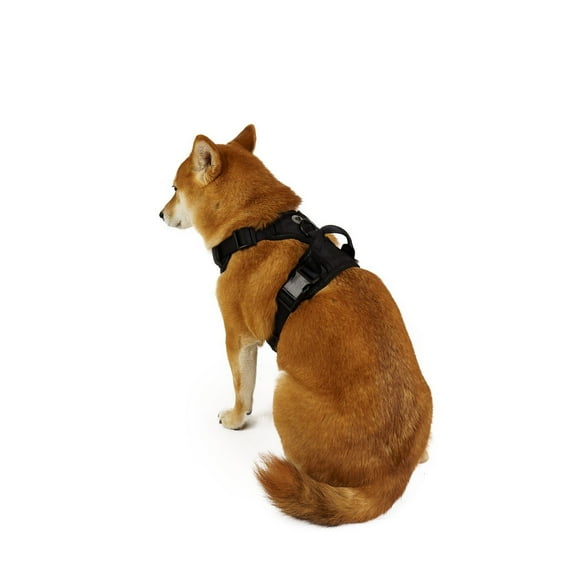
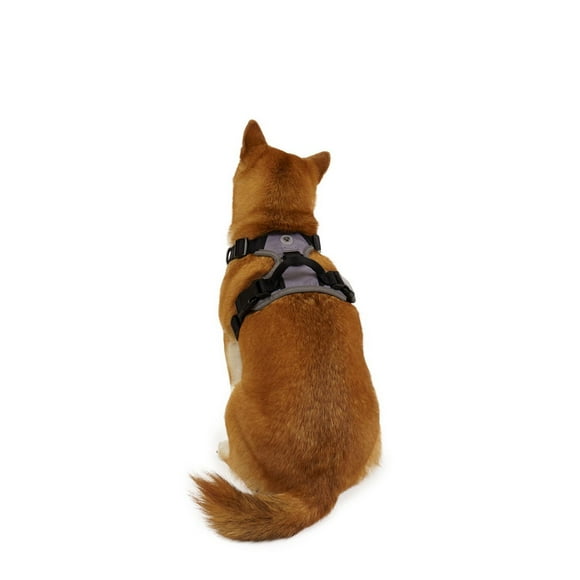
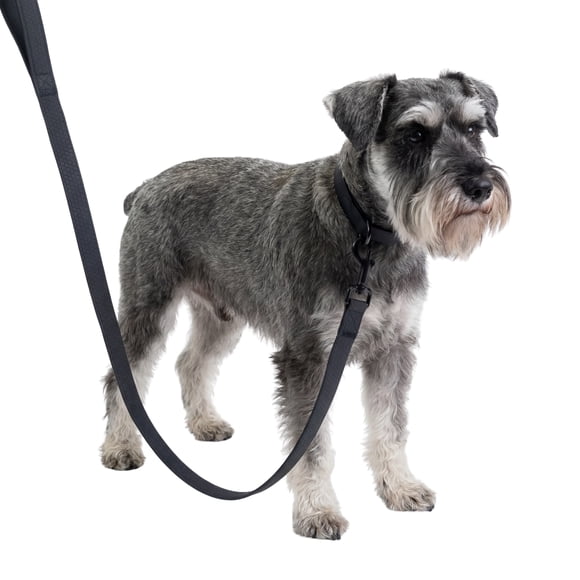
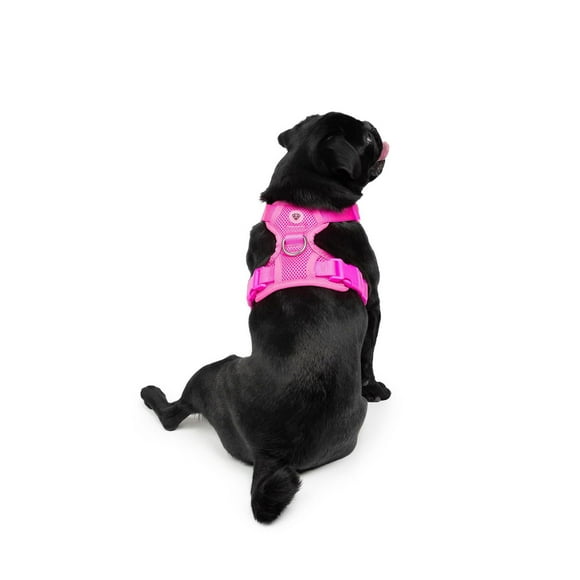
Selecting the right gear depends on your dog’s size, behaviour and walking environment. A harness distributes pressure off the dog’s neck and is often recommended over a collar for pullers. A flat collar is fine for dogs that walk calmly and don’t pull. Measure correctly and ensure you can fit two fingers under the strap to avoid the gear being too tight or too loose.
What mistakes should I avoid when choosing dog walking gear?
Common mistakes include choosing a harness or collar that is too loose (allowing escape), too tight (causing discomfort or injury), or not suited for the dog’s behaviour (e.g., a strong puller with only a basic flat collar). Using retractable leashes in busy areas can also reduce control. Gear alone won’t solve behavioural issues—training and consistent use matter most.
How do I maintain and replace dog walking gear over time?
Inspect equipment regularly: check buckles, clips, stitching, and webbing for wear or damage. Straps may loosen or stretch with use. Cleaning harnesses and leashes helps prevent odor, buildup and material degradation. Replace gear if you notice fraying, broken hardware, or if the fit no longer works. Gear should support safe, comfortable walking—if it shows signs of failure, replacing it promptly is wise.
How long should the leash be and what material is best?
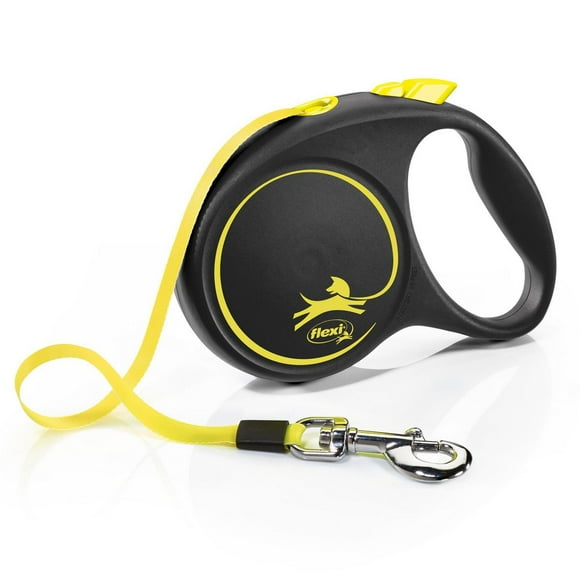
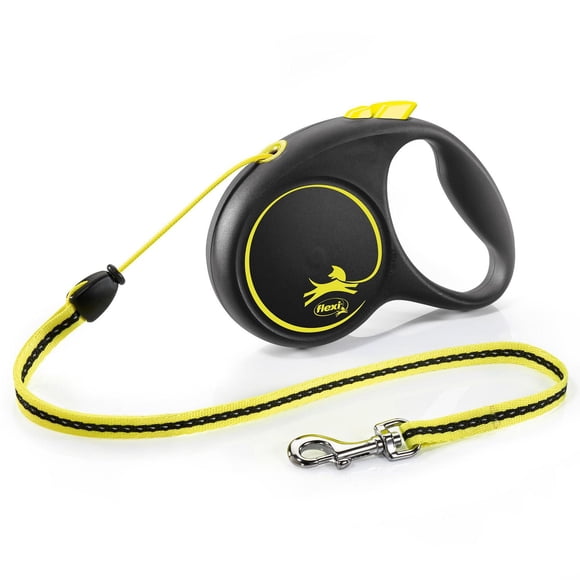
A standard fixed-length leash (around 4-6 feet) provides consistent control, helping your dog learn boundaries and avoiding sudden pulls. Materials such as strong webbing, leather or durable synthetic fibers work well; avoid thin rope or retractable leads if safety and control are priorities. Checking the hardware (clips, rings) for strength and reliability also matters.