


Dog Collars(1000+)
Keep pets safe and stylish with adjustable dog collars.





FAQ about Dog Collars
What size collar does my dog need?
To find the right collar size for your dog, measure around the base of the neck where the collar will sit using a soft measuring tape. Add two inches to the measurement for comfort. The collar should be snug enough to stay in place but loose enough to fit two fingers between the collar and your dog’s neck. Sizes vary by breed and age, so always check the manufacturer’s sizing chart. Puppies may need adjustable collars to accommodate growth. A properly sized collar ensures safety, prevents slipping, and avoids discomfort or skin irritation during daily wear or walks.
What materials are best for dog collars?
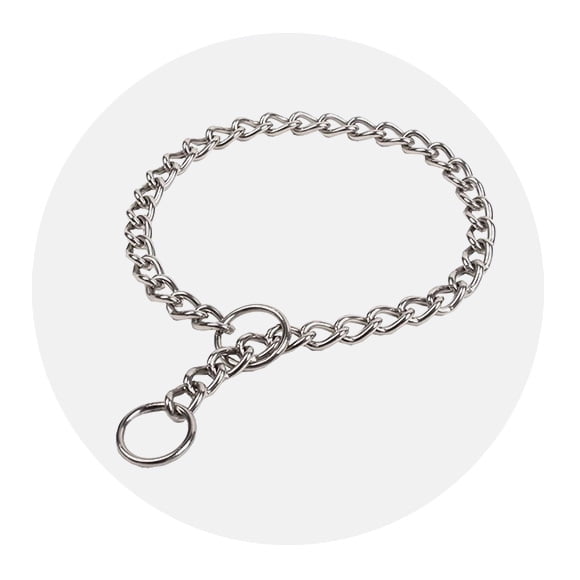
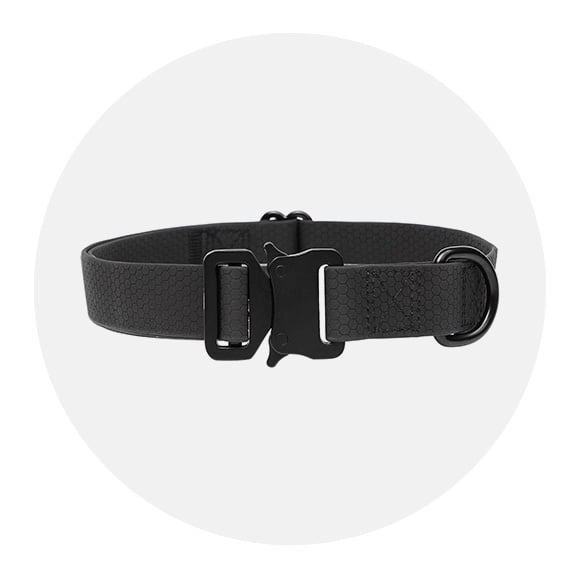
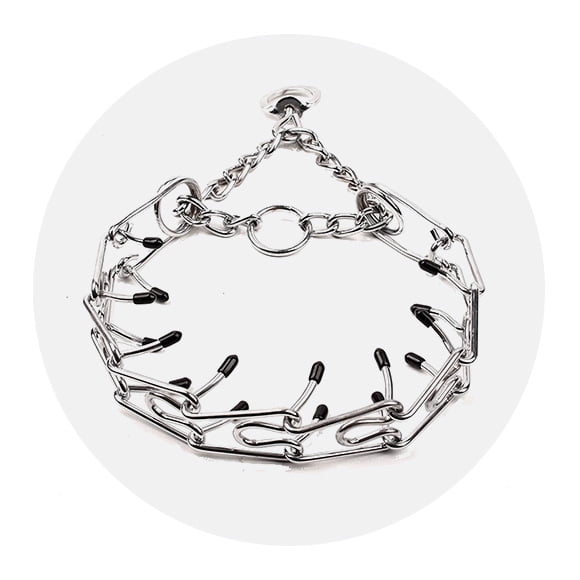
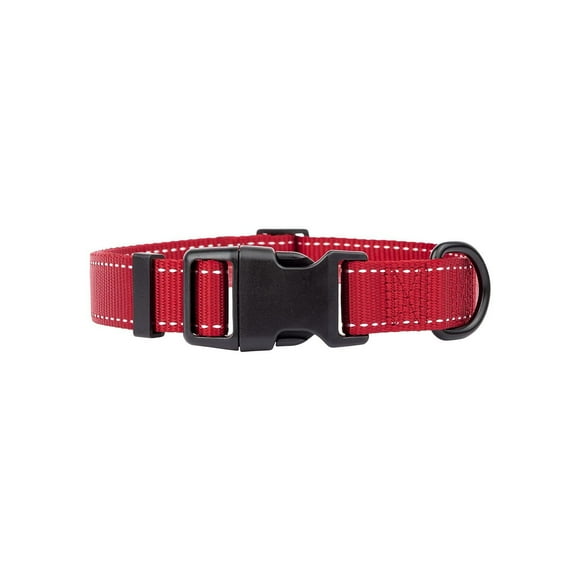
The best materials for dog collars depend on your dog’s size, activity level, and behavior. Nylon is lightweight, strong, and suitable for everyday use. Leather offers durability and a classic look, becoming more comfortable over time. Neoprene is soft and padded, ideal for dogs with sensitive skin or active lifestyles. Metal chains are used for training but should be handled with care. Biothane is a coated material that resists water and odors while remaining flexible. Each material has its own advantages, so choosing the right one depends on your dog’s needs and how the collar will be used.
What type of collar is best for puppies?
The best type of collar for puppies is a lightweight, adjustable flat collar made from soft materials like nylon or neoprene. It should be easy to put on and take off, and not too bulky for a small neck. The collar must fit snugly but allow room for two fingers between the collar and the puppy’s neck. Since puppies grow quickly, an adjustable design helps accommodate changes in size. Avoid training collars or anything with harsh hardware at this stage. A simple, comfortable collar helps your puppy get used to wearing it and supports early leash training and identification.
Can dogs wear collars all the time?
Dogs can wear collars all the time, but it’s important to check regularly for signs of irritation, hair loss, or discomfort. A properly fitted collar should not be too tight or too loose and should be removed occasionally to allow the skin to breathe. If your dog is active indoors or sleeps with the collar on, choose a lightweight, comfortable design. For safety, collars with ID tags are useful in case your dog gets lost. However, during crate time or play with other dogs, removing the collar can prevent accidents. Regular inspection ensures your dog stays safe and comfortable.
Can I wash my dog’s collar?
Yes, you can wash your dog’s collar to keep it clean and odor-free. Most fabric collars, like nylon or neoprene, can be washed by hand using warm water and mild soap. Scrub gently with a soft brush to remove dirt and grime, then rinse thoroughly. Leather collars should be cleaned with a damp cloth and treated with leather conditioner to maintain flexibility. Always check the manufacturer’s care instructions before washing. Let the collar air dry completely before putting it back on your dog to prevent skin irritation. Regular cleaning helps maintain hygiene and extends the life of the collar.
How often should I replace my dog’s collar?
You should replace your dog’s collar when it shows signs of wear, damage, or no longer fits properly. Fraying, broken buckles, stretched material, or rusted hardware can compromise safety. Puppies and growing dogs may need new collars more frequently as their size changes. Active dogs that swim, roll, or play roughly may wear out collars faster. Regularly inspect the collar for fit and condition, especially if your dog wears it daily. A well-maintained collar supports identification and leash control, so replacing it when needed helps keep your dog safe and comfortable during walks, play, and everyday activities.