


Patio umbrellas(1000+)
Patio umbrellas bring shade and style into your patio setting as the weather warms up!




FAQs: Patio Umbrellas
What are the different types of patio umbrellas?
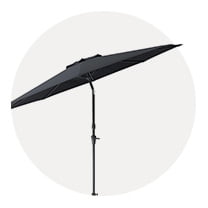
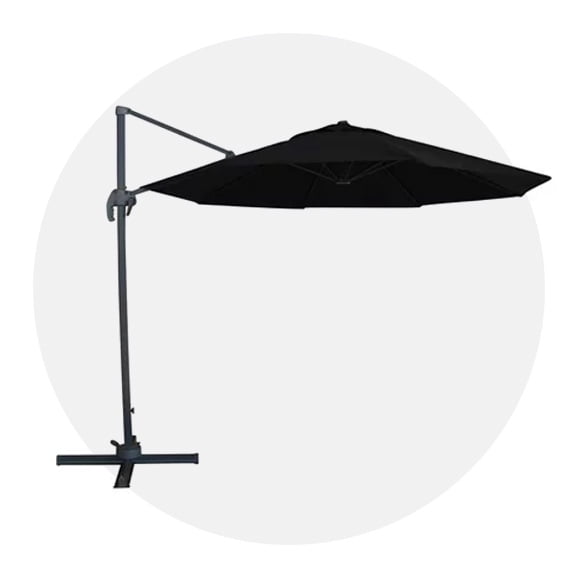
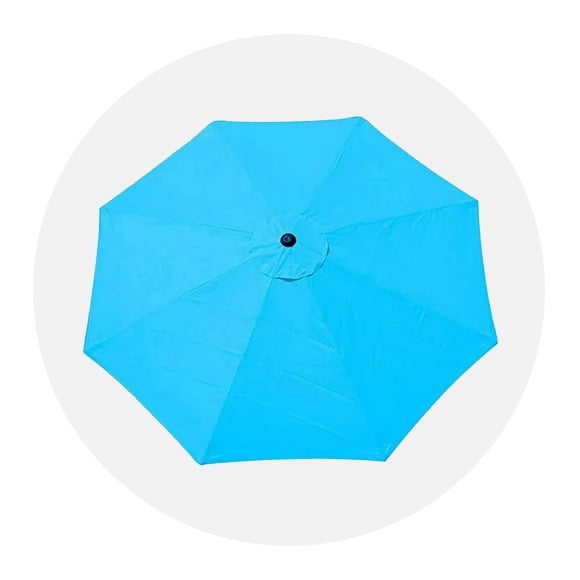
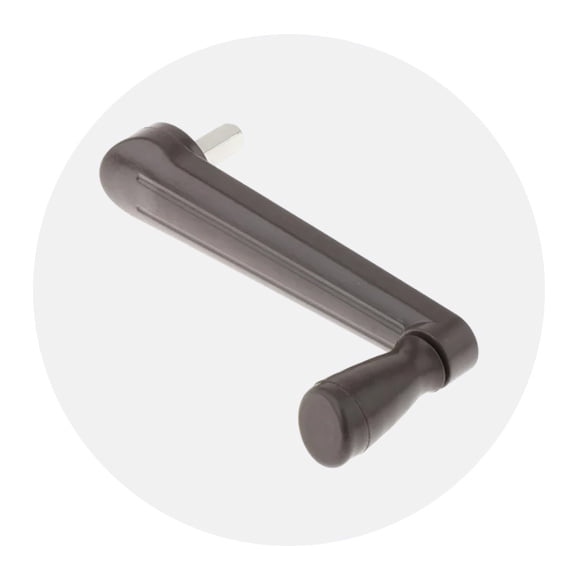
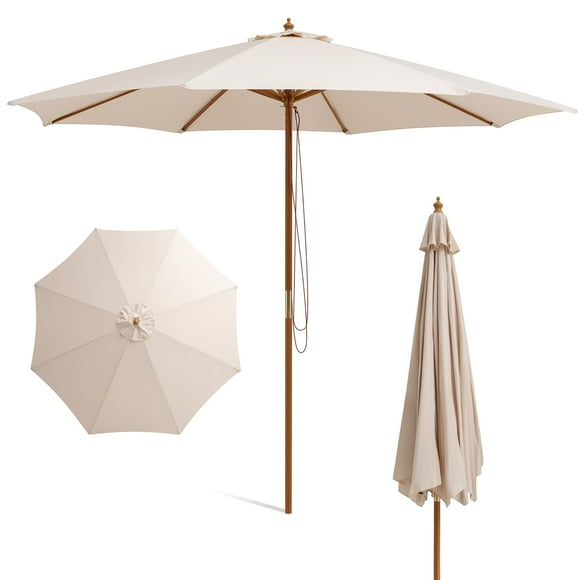
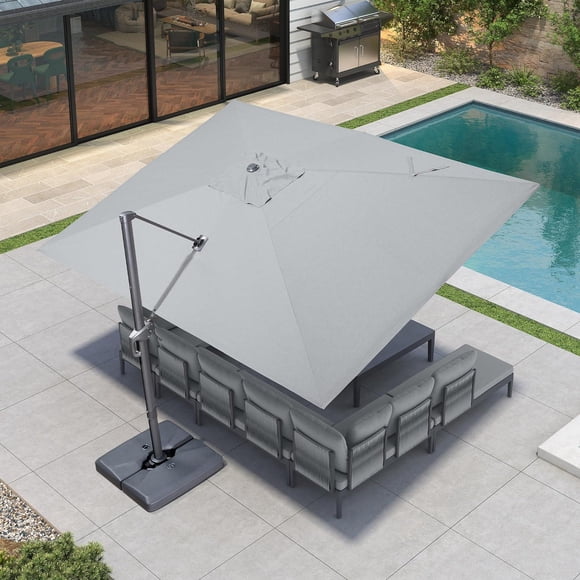
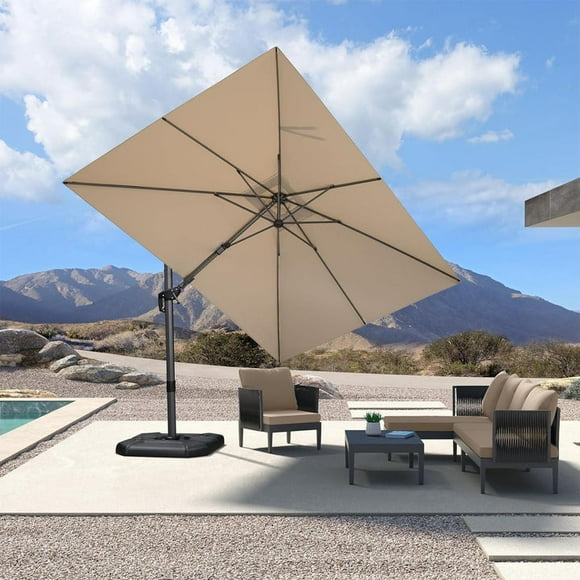
Patio umbrellas come in several styles to suit different spaces and needs. Market umbrellas have a classic centre pole and are ideal for round or square tables. Cantilever or offset umbrellas feature a side pole, providing more flexible shade without a central obstruction, perfect for lounge areas. Tilt or crank umbrellas allow adjustable angles for sun protection throughout the day. Materials vary too — aluminium and steel poles offer durability, while powder-coated finishes resist corrosion. Canopies can be made of polyester, acrylic, or Sunbrella fabric for UV and water resistance. Round, square, and rectangular canopy shapes cater to table layouts or lounging areas. Choosing the right type ensures your outdoor space stays comfortable, stylish, and functional throughout the season.
What size patio umbrella should I buy?
Selecting the right patio umbrella size depends on your table or seating area. For round tables, a 7–9 ft umbrella usually provides sufficient coverage. Rectangular or square tables may require 9–11 ft umbrellas for adequate shade. Consider leaving at least 2–3 ft of clearance around the table for chairs and movement. For larger lounge areas, a cantilever or offset umbrella with a 10–13 ft canopy works well. Always measure your patio space to ensure the umbrella won’t hit walls, planters, or other furniture. A properly sized umbrella keeps everyone shaded comfortably, prevents sun glare, and enhances outdoor gatherings. For optimal usability, also factor in wind conditions and pole stability to avoid tipping or excessive movement.
What type of patio umbrella is best for wind?
For windy conditions, a patio umbrella with a vented canopy is ideal, as vents allow air to pass through and reduce lift. Cantilever umbrellas with a weighted, sturdy base provide better stability in gusts. Strong aluminium or steel poles with reinforced joints also improve wind resistance. Round canopies generally handle wind better than square or rectangular shapes, which catch more airflow. When storms are expected, tilt the umbrella closed and secure the base or remove the umbrella entirely. Proper anchoring is key , heavy-duty bases, water/ sand-filled options, or ground anchors for permanent installations prevent tipping. Investing in a well-built, vented umbrella ensures safety while allowing you to enjoy outdoor spaces even when breezes are present.
Do all patio umbrellas need a base?
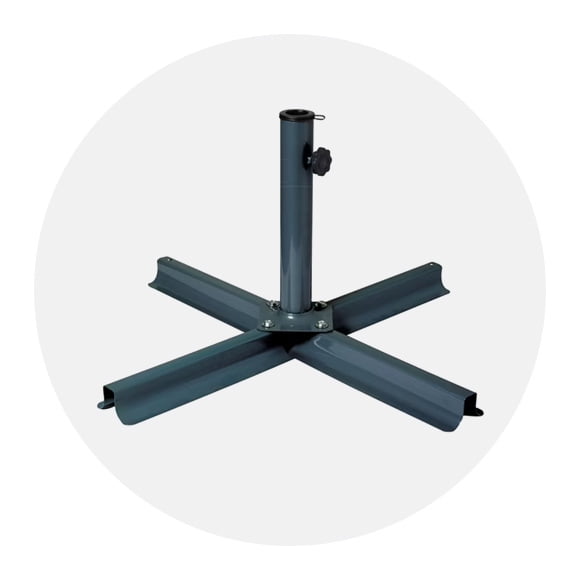
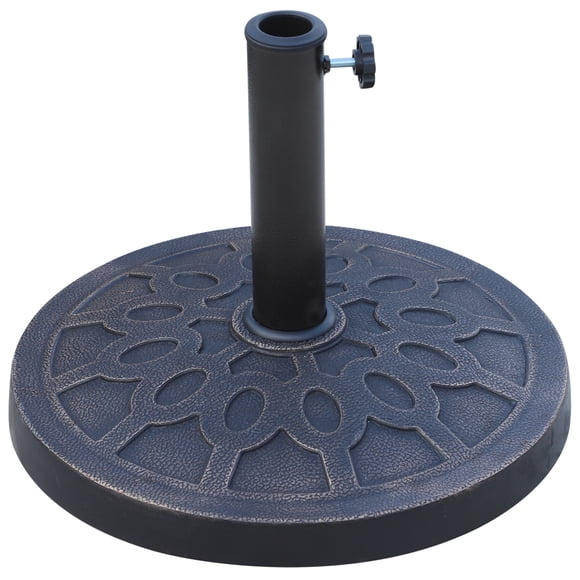
Yes, a base is essential to keep your patio umbrella stable and safe. Centre-pole umbrellas require a weighted or anchored base that matches the pole diameter, while cantilever umbrellas often need heavier bases or additional support. Base types include water- or sand-filled, cast iron, or steel designs, with weights ranging from 20–100+ lbs depending on the umbrella size. Some bases are designed for permanent installation on decks or patios for added stability. A proper base prevents tipping, wobbling, and damage during windy conditions. Always match the base to your umbrella’s height, canopy size, and intended outdoor location to ensure safety and longevity. A secure base keeps your outdoor space safe for family gatherings and entertaining.
What are some popular accessories or add-ons for patio umbrellas?
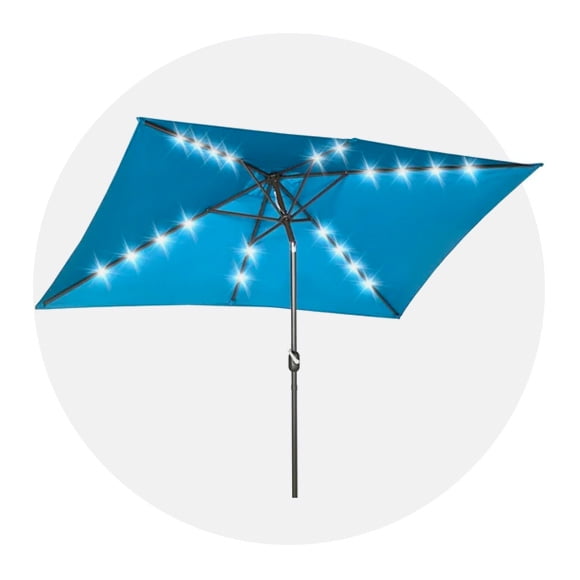
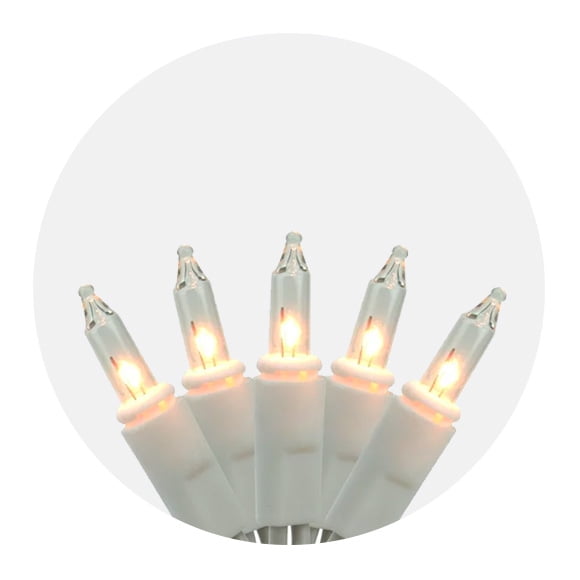
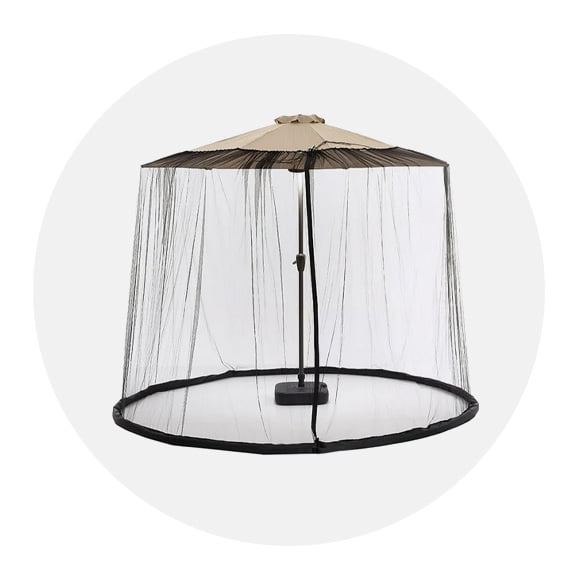
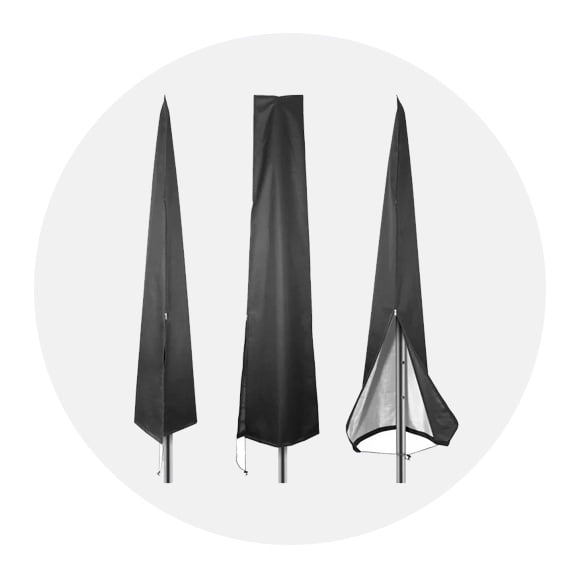
Popular patio umbrella accessories enhance comfort, convenience, and aesthetics. Umbrella lights add soft illumination for evening gatherings, while side panels or curtains offer extra privacy or sun protection. Protective covers help keep canopies clean when not in use, extending their life. For cantilever umbrellas, rotating bases or tilting mechanisms improve adjustability. Some umbrellas feature mosquito netting to enjoy bug-free dining. Weighted base add-ons or sandbags provide extra stability in windy conditions. Finally, decorative items such as fringes, tassels, or umbrella clips can enhance style. These add-ons let you customise your umbrella for functional comfort and personal flair, ensuring your patio remains inviting for any outdoor occasion.
How to clean a patio umbrella?
Regular cleaning extends the life and appearance of a patio umbrella. Start by removing loose debris like leaves, dirt, or dust. For fabric canopies, use a soft brush or sponge with mild soap and lukewarm water, then rinse thoroughly with a hose. Avoid harsh chemicals that may damage UV or water-resistant coatings. Let the canopy air-dry completely before closing the umbrella to prevent mildew. Clean the pole, ribs, and crank mechanism with a damp cloth, and inspect hardware for rust or loose bolts. Seasonal deep cleaning before storage or after heavy use ensures your umbrella stays attractive, functional, and ready for use. Protective covers help maintain cleanliness between uses.
Can I leave a patio umbrella outside all year?
Yes, but with precautions. Hard-top or sturdy umbrellas with powder-coated poles and weather-resistant canopies can stay outdoors, but heavy snow, ice, or storms may damage them. Use a protective cover during winter to shield fabric from moisture and UV damage. Close and secure the umbrella when not in use, and consider adding a weighted base or anchors for stability. Regular inspections for rust, fabric wear, or bent ribs help prevent long-term damage. For windy Canadian winters, some homeowners choose to disassemble or store umbrellas indoors, especially soft-top or lightweight models, to maximise lifespan and keep them looking their best year-round.