










Cat Toys(1000+)
Play, stimulate, and exercise safely with engaging cat toys.




FAQ - Cat Toys
What types of toys do cats enjoy most?
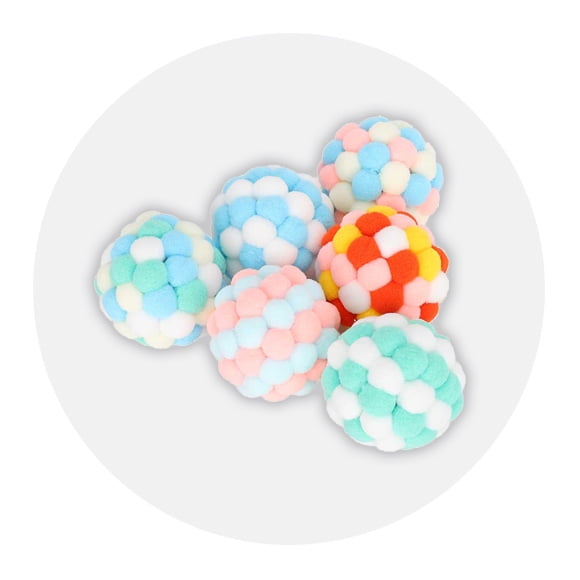
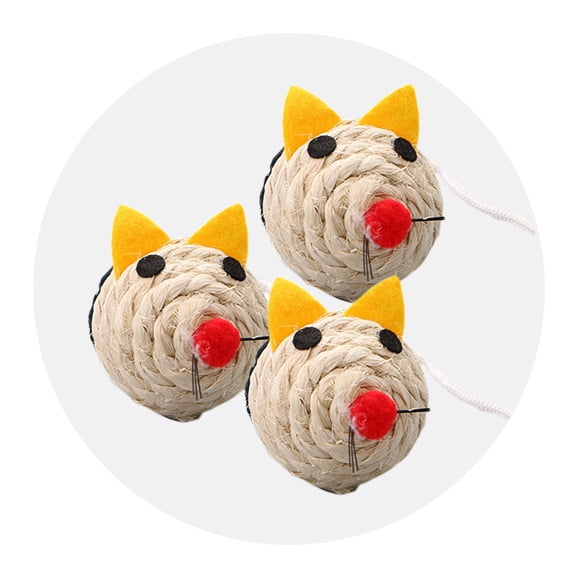
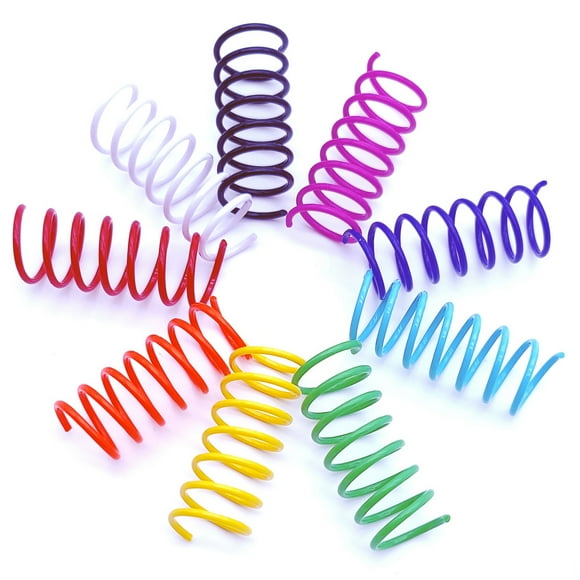
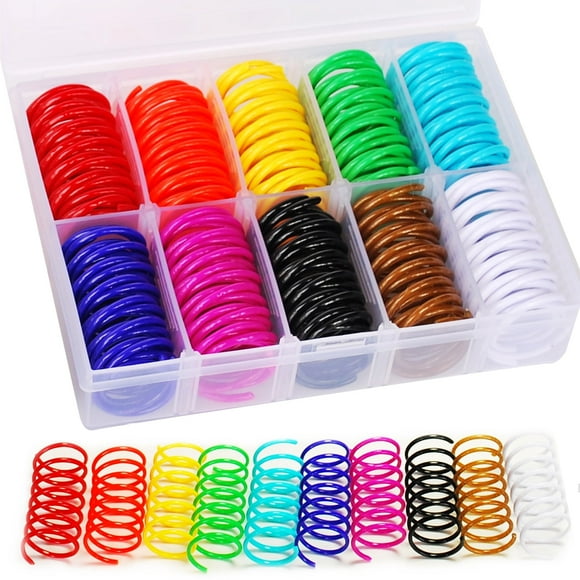
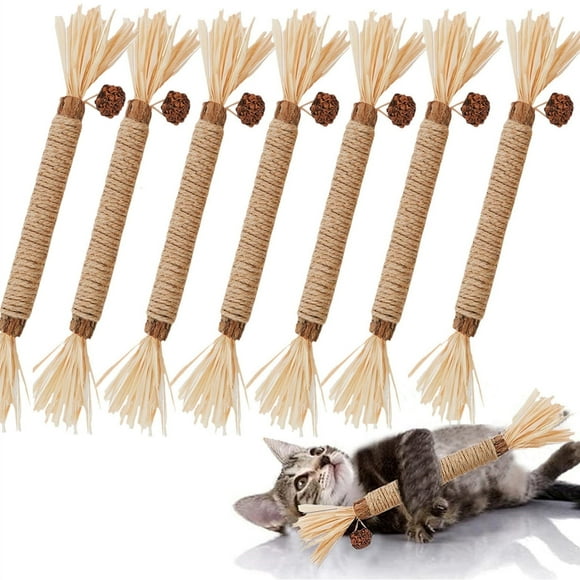
Cats enjoy a wide variety of toys, especially those that activate their natural hunting instincts. Wand toys with feathers or strings encourage jumping and chasing, making them great for interactive play. Balls and rolling toys keep cats entertained as they bat them around. Kicker toys allow cats to grab, bite, and bunny-kick, mimicking prey behavior. Puzzle toys stimulate their minds by rewarding them with treats. Catnip or silvervine toys add extra excitement for many cats. Soft plush toys are perfect for carrying or cuddling. Offering different textures and movements helps keep playtime satisfying and engaging.
How often should I rotate my cat’s toys?
You should rotate your cat’s toys about once a week to keep playtime exciting and prevent boredom. Cats can lose interest in toys that stay out all the time, so swapping them regularly makes old toys feel new again. Keep a small selection available while storing the rest in a box or drawer. When you bring out “new” toys, your cat will often show renewed curiosity and energy. Rotation also helps you check for damage, ensuring toys remain safe to use. Adjust the schedule based on your cat’s personality—some prefer frequent changes, while others enjoy familiar favorites longer.
Can cat toys help reduce destructive behavior?
Yes, cat toys can significantly help reduce destructive behavior by giving your cat a healthy outlet for energy and boredom. Interactive toys like wand teasers and moving toys encourage active play, which helps burn off excess energy that might otherwise be used for scratching furniture or knocking things over. Puzzle toys and treat-dispensing toys keep their minds engaged, reducing frustration-driven behavior. Providing toys that mimic hunting also satisfies natural instincts, making your cat less likely to seek stimulation in unwanted ways. Regular play sessions strengthen your bond and help redirect destructive habits into positive, fun activities.
How many toys should a cat have?
There’s no strict number of toys a cat should have, but a variety is key to keeping them mentally and physically stimulated. Ideally, a cat should have a mix of interactive toys like wand teasers, solo play toys like balls or small plush prey, and puzzle or treat-dispensing toys to challenge their minds. Having multiple options prevents boredom and encourages regular play, which helps reduce destructive behavior. Rotating toys regularly keeps old toys interesting. The goal isn’t quantity alone, but a balance of different textures, movements, and challenges to keep your cat active, engaged, and satisfied.