


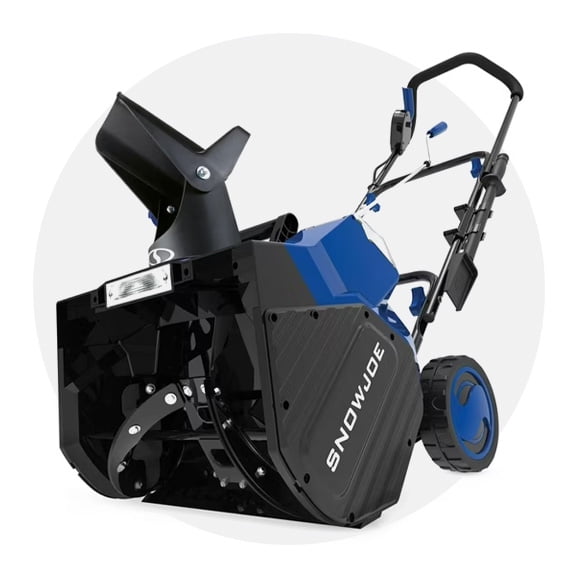
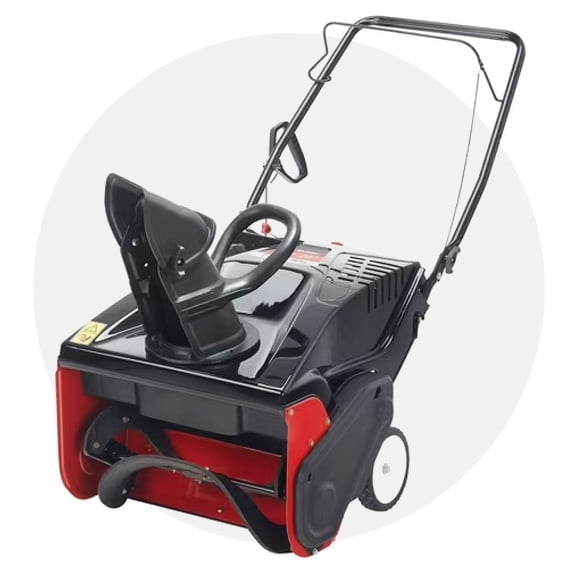
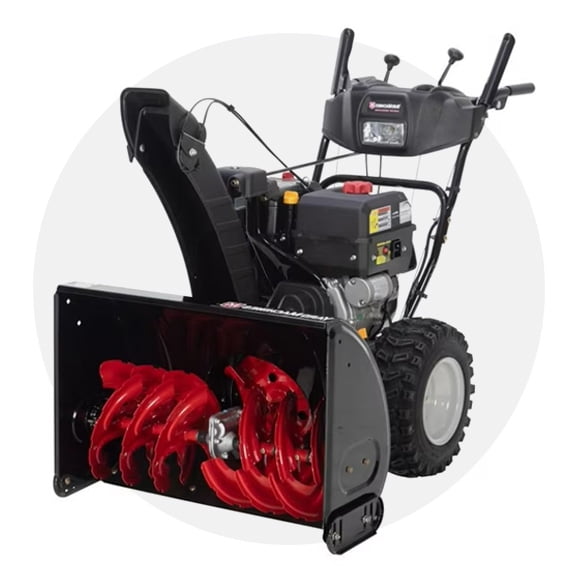
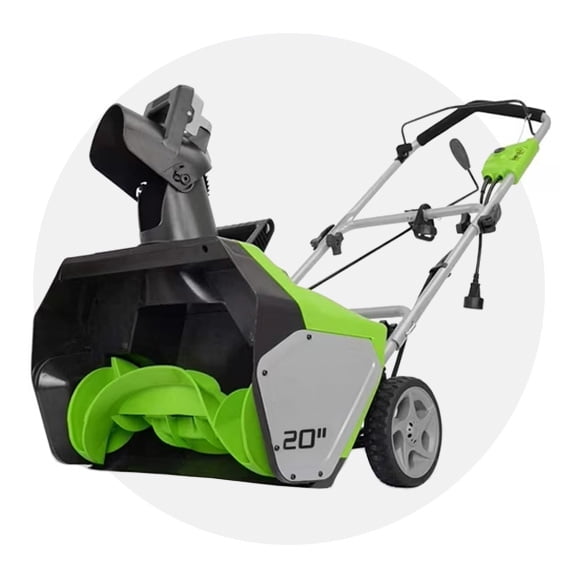
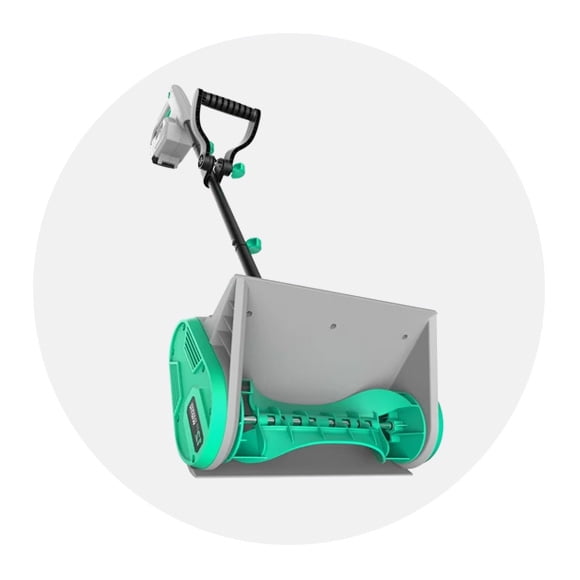





Snow blowers (349)
Remove snow faster this winter with your own powerful snow blower.





FAQs: Snow Blowers
What are snow blowers used for?
Snow blowers are designed to clear snow quickly and efficiently from driveways, sidewalks, and pathways. Unlike manual shovelling, they use an auger or impeller to scoop up snow and discharge it away from the area. They’re ideal for homeowners with medium to large properties or for those who experience regular snow accumulation. Snow blowers make winter maintenance easier, reduce physical strain, and save time, especially after heavy snowfall. Some models also handle compacted or icy snow effectively, depending on the power and design. Whether you need to clear a small walkway or a wide driveway, a snow blower helps keep outdoor spaces safe and accessible throughout the winter season.
What are different types of snow blowers?
"Snow blowers are generally available in three main types: Single-stage snow blowers: Best for light to moderate snow on smaller driveways or decks. They use one auger to scoop and throw snow in a single motion. Two-stage snow blowers: Designed for deeper or heavier snow, they use an auger to collect snow and an impeller to discharge it farther away. Three-stage snow blowers: Powerful machines ideal for large driveways or frequent heavy snowfalls, using an accelerator to move snow quickly through the system. Each type offers different performance levels, so choose one based on your property size, snow depth, and desired clearing speed."
What to know before buying a snow blower?
Before buying a snow blower, consider the size of your property, average snowfall, and available storage space. For smaller areas or lighter snow, an electric or cordless single-stage model is usually sufficient. Larger driveways and heavier snow need a two- or three-stage gas-powered option for better performance. Pay attention to clearing width, throwing distance, and handle comfort for ease of use. Features like electric start, heated grips, and adjustable chutes can add convenience. Maintenance needs and fuel type should also guide your decision. Reading product specifications and reviews helps ensure you choose a snow blower suited to your local winter conditions and daily use.
Is a snow blower better than shovelling?
A snow blower can be better than shovelling for many people, especially when dealing with large areas or heavy snowfall. It significantly reduces physical strain and the time spent clearing snow. For those with back or heart concerns, using a snow blower may be a safer option than manual shovelling. However, shovels can still be handy for tight spaces or light dustings where starting a machine might not be necessary. The best choice depends on your property size, budget, and fitness level. Many homeowners use both tools, a snow blower for major clearing and a shovel for touch-ups around steps and narrow corners.
What not to do with a snow blower?
Avoid putting your hands or feet near the auger or discharge chute, even if the machine is off. Always use a clean-out tool to remove clogs safely. Do not use your snow blower on gravel unless it’s designed for that purpose, as stones can be thrown and cause damage or injury. Avoid wearing loose clothing that could get caught in moving parts. Never start or refuel the machine indoors, and wait for it to cool before adding fuel. Check the area for debris before operating and follow the manufacturer’s maintenance guidelines. Safe operation ensures the snow blower performs well and lasts through many winter seasons.