

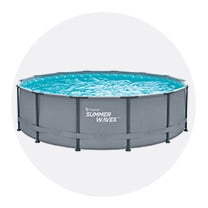
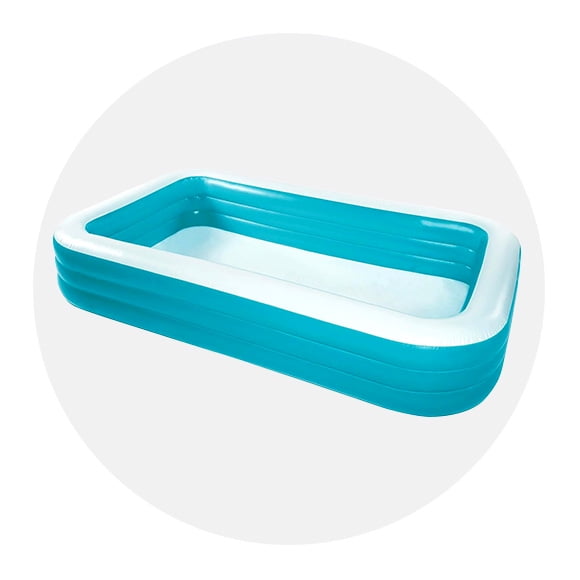
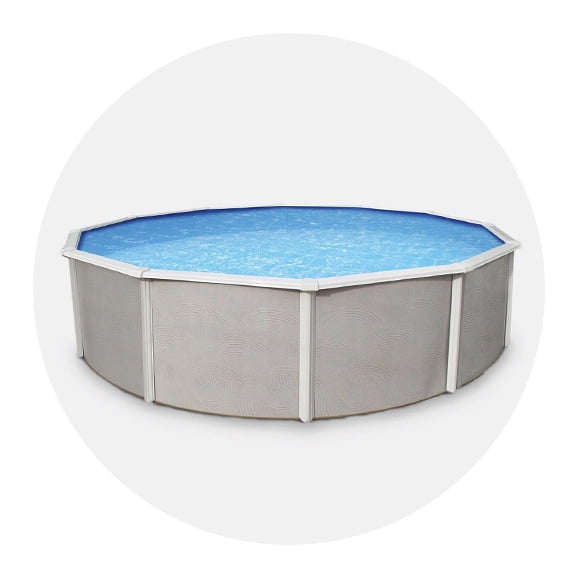


Outdoor pools (1000+)
Take a dip in your own swimming pool and cool off from the heat this summer!




FAQs: Outdoor Pools
What are different types of outdoor pools are available?
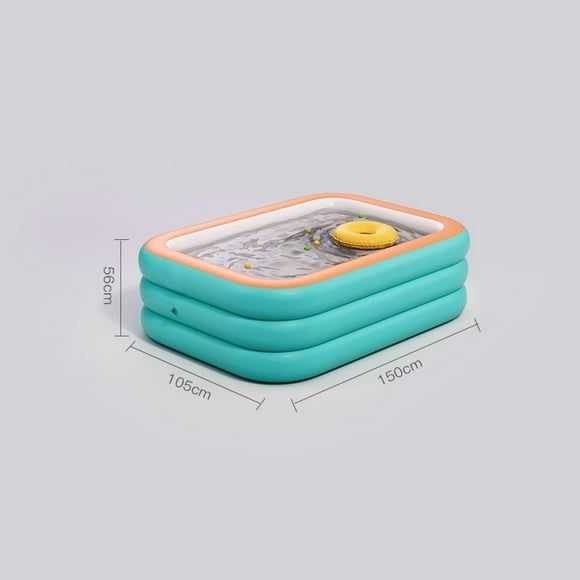
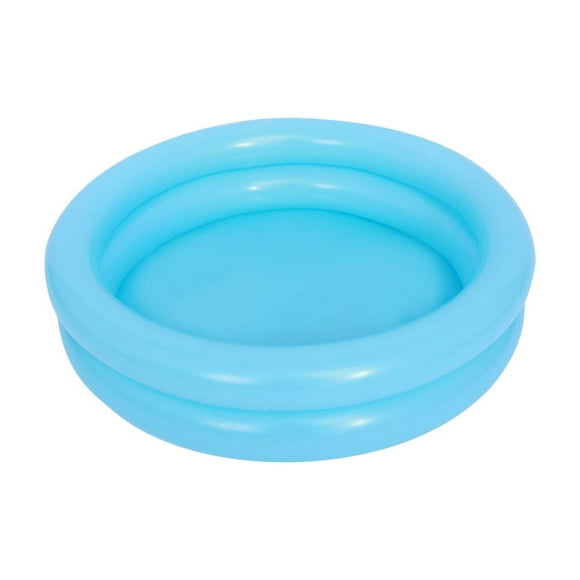
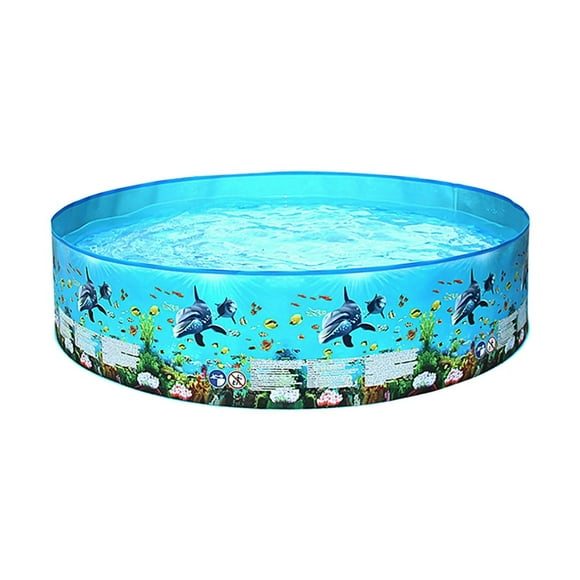
Outdoor pools come in a variety of styles, each designed to suit different spaces, budgets, and needs. The most common types are: 1. Above-ground pools: Affordable, quick to install, and easy to remove at the end of the season. They’re available in various sizes and materials, making them a versatile choice for families and smaller backyards. 2. In-ground pools: A long-term investment that offers durability and customisation in shape, size, and depth. They enhance the look of your outdoor space and can significantly increase the value of your property. 3. Inflatable pools: Lightweight, portable, and easy to set up. They’re a budget-friendly solution for temporary summer fun and can be quickly deflated and stored when not in use. 4. Semi in-ground pools: Installed partially below ground, offering a blend of durability and affordability. They’re a good option for uneven terrain and give a more permanent look compared to fully above-ground models.
What are the benefits of having an outdoor pool?
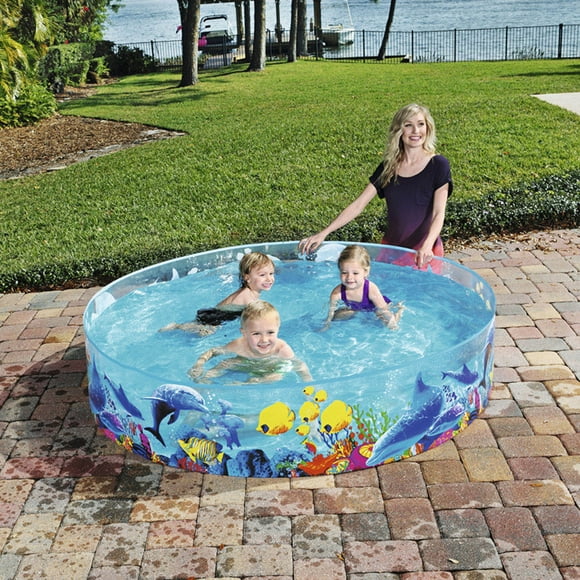
An outdoor pool offers many benefits beyond simply being a place to swim. For families, it creates an inviting space where kids can play safely at home, reducing the need for trips to public pools. For adults, it’s an excellent way to stay active, with swimming providing a full-body workout that improves cardiovascular health and builds endurance while being gentle on the joints. Outdoor pools also become natural gathering spaces, perfect for entertaining friends and family during summer barbecues or relaxing evenings. Beyond recreation, having a pool can add aesthetic appeal to your backyard, transforming it into a personal retreat for relaxation and stress relief. Many homeowners also find that a well-maintained outdoor pool can boost property value, making it a worthwhile investment. With the addition of heaters or covers, you can extend the swimming season, making your pool useful for more months of the year. In short, an outdoor pool combines health, lifestyle, and home value benefits, creating a space that enriches everyday living.
How do I choose the right size and shape for my outdoor swimming pool?
Choosing the right size and shape for your outdoor swimming pool depends on several factors, including the size of your backyard, your budget, and how you plan to use the pool. If your main goal is family fun and casual recreation, round or oval pools are often a great choice because they offer plenty of swimming space while fitting neatly into many yard layouts. Rectangular pools are ideal if you want to swim laps for exercise, as their long, straight shape provides the perfect structure for uninterrupted movement. Kidney-shaped or freeform pools are another option, offering a more natural look that blends seamlessly into landscaped backyards. Consider how many people will be using the pool at the same time, as larger families may need more swimming space. It’s also important to account for maintenance, since larger pools require more cleaning and chemical balancing. Don’t forget about safety and access, leaving enough deck space for loungers, walkways, and equipment. Ultimately, the right pool is one that complements your outdoor space, suits your lifestyle, and balances both function and aesthetics.
What maintenance is required for a swimming pool?
Keeping the swimming pool clean and safe requires regular maintenance, but with the right routine it can be manageable and rewarding. One of the most important tasks is water chemistry. Testing your pool’s pH and chlorine levels weekly ensures the water stays clear and safe for swimming. Balancing chemicals helps prevent algae growth, cloudy water, and skin irritation. Skimming debris such as leaves and insects should be done regularly, especially for outdoor pools, to keep the water fresh and inviting. Cleaning or backwashing the filter is also essential, as this system removes dirt and keeps the water circulating properly. Brushing the pool walls and vacuuming the floor will prevent algae build-up and staining. Seasonal maintenance, such as opening the pool in spring and closing it in autumn, involves deep cleaning, shock treatments, and covering the pool for protection. Using a high-quality pool cover helps reduce maintenance during off-seasons by keeping out debris and reducing evaporation. With a consistent schedule and the right tools, maintaining your pool can be simple, helping extend its lifespan while ensuring it’s always ready to enjoy.
How can I keep my swimming pool warm during the colder months?
Keeping your swimming pool warm in cooler weather helps you enjoy it for more of the year, especially in Canada where seasons change quickly. One of the most effective options is installing a pool heater. Gas heaters provide quick heating, while heat pumps are energy-efficient and ideal for long-term use. Solar heaters are another eco-friendly solution, harnessing the sun’s energy to keep water comfortable at a lower cost. Pool covers, particularly solar covers, are also valuable tools. They trap heat, reduce evaporation, and prevent temperature loss overnight, helping the water stay warmer without constant heater use. Insulated pool blankets are another excellent choice for colder months, as they provide a protective barrier that keeps the heat in. In addition to equipment, location and wind protection play a role, pools sheltered from the wind retain heat better. Combining a heater with a solar cover is often the most efficient way to extend swimming season while saving on energy bills. With the right combination of heating solutions and insulation, your pool can stay warm and welcoming well beyond the summer months.