

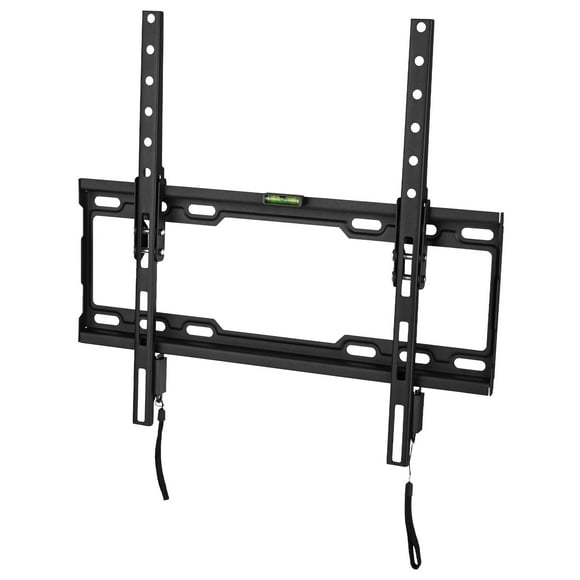
Tilting TV mounts(267)
Find your angle with tilting TV mounts made for comfort and clarity.





FAQ - Aquariums & fish tanks
What size tank should I start with?
When selecting a starter kit, going with a larger volume tank (for example 10-20 gallons or more) tends to make maintaining stable water conditions easier, because fluctuations in temperature, chemicals or waste have less impact in greater water volume. Very small tanks (under ~5 gallons) are tempting but require more frequent checks and are less forgiving of mistakes. Also ensure the stand or surface you’ll place the tank on is level and strong enough to support the filled weight.
What typically comes in a starter kit — and what will I still need to buy?
Most starter kits include the aquarium tank, hood or lighting, a filter, and maybe a heater and thermometer. However, even with a kit you’ll usually still need to buy substrate (gravel or sand), decor or hiding spots, a water test kit to monitor ammonia/nitrite/nitrate/pH, and fish food. The kit simplifies the initial purchase but doesn’t always cover every accessory you’ll need for ongoing success.
When can I add fish after setting up the kit?
You should wait before adding fish; the tank needs to go through a “cycling” process where beneficial bacteria grow and transform toxic ammonia and nitrite into less harmful nitrate. Putting fish in too early is a common error and can lead to poor fish health or death. Use a water-test kit to confirm that ammonia and nitrite levels are near zero before stocking fish. Start with only a few fish rather than filling the tank at once.
What are common mistakes beginners make with starter kits?
One major mistake is overstocking the tank (adding too many or too large fish) before the kit and tank are prepared to handle the waste load. Another mistake: placing the tank in direct sunlight or on an unstable surface — sunlight may cause algae growth and instability in temperature. Also, some kits include equipment that is minimal quality; beginners should check that the filter and heater are appropriate for the tank size.
How do I maintain the tank once it’s set up and running?
Regular maintenance is key. Perform partial water changes (for example about 25-30% of the water) every 1-2 weeks to remove accumulated waste and nitrates. Clean or rinse the filter media gently in old tank water (not tap water) so you don’t kill the beneficial bacteria. Check that the heater, light and filter are functioning properly, and monitor parameters like temperature, pH, ammonia, nitrite and nitrate. Stay consistent and patient for steady health of your fish.