

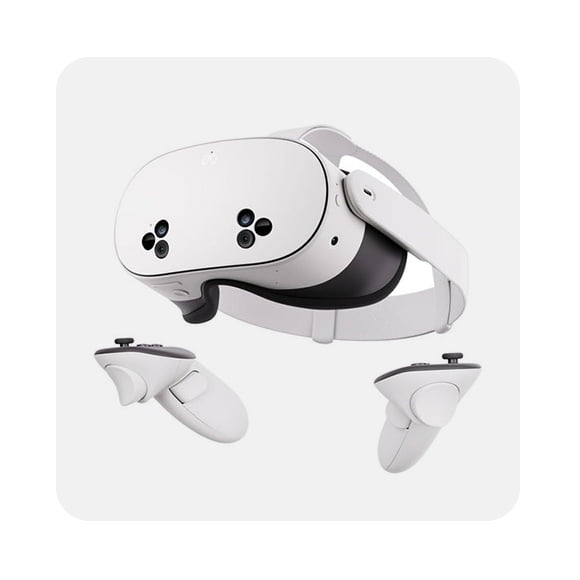

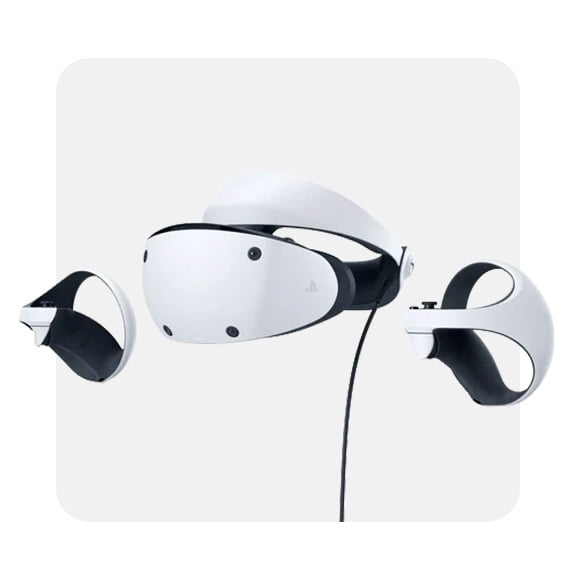

Virtual reality & Playstation VR(1000+)
Explore virtual reality products including must-haves like Playstation VR, VR googles and much more.



FAQ – Virtual Reality
What is virtual reality and how does it work?
Virtual reality (VR) is a computer-generated environment that simulates real or imagined worlds, allowing users to interact with them as if they were physically present. It works by using headsets equipped with motion sensors, screens, and audio to create immersive 3D experiences. These devices track head and body movements, adjusting the visuals in real time to match the user’s perspective. VR reduces the need for physical resources by enabling virtual travel, training, and collaboration, making it an eco-friendly alternative in many industries. As technology evolves, it continues to offer more sustainable and engaging ways to learn, work, and play.
What are the main types of VR systems?
Virtual reality systems can be categorized into three main types: non-immersive, semi-immersive, and fully immersive. Non-immersive systems use standard screens and input devices like keyboards or controllers, offering limited interaction. Semi-immersive systems provide partial immersion through large screens or projection systems, often used in simulations. Fully immersive systems deliver the most realistic experience using head-mounted displays, motion tracking, and spatial audio to create a convincing virtual environment. These systems vary in complexity, cost, and application, ranging from casual gaming to professional training and medical simulations, each offering different levels of sensory engagement and interaction with the virtual world.
How can user privacy and data security be protected in VR environments?
Protecting user privacy and data security in virtual reality environments requires robust encryption, secure authentication methods, and strict data governance policies. Developers must ensure that personal data, biometric information, and behavioral patterns collected during VR sessions are stored securely and used transparently. Regular software updates and vulnerability assessments help prevent unauthorized access. Users should be informed about what data is being collected and given control over their privacy settings. Additionally, platforms must comply with relevant data protection regulations and avoid sharing sensitive information with third parties without consent. Building trust in VR depends on prioritizing user safety and responsible data handling.
Is virtual reality good or bad for you?
Virtual reality can be both beneficial and potentially harmful depending on how it is used. It enhances learning, training, and entertainment by offering immersive experiences that improve engagement and understanding. It can also support therapy and rehabilitation by simulating real-life scenarios. However, excessive use may lead to physical discomfort like eye strain or motion sickness, and in some cases, psychological effects such as disconnection from reality or increased anxiety. The key is balanced usage with attention to age, duration, and purpose. When used responsibly, VR can be a powerful tool for education, creativity, and personal growth.