

Stretch wrap & pallet wrap(81)
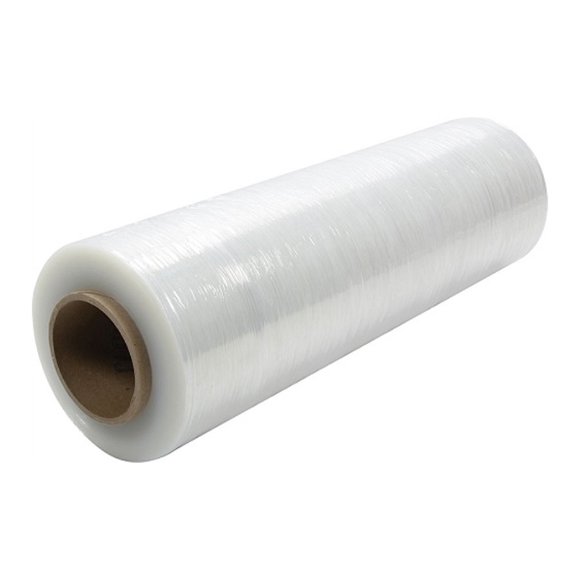
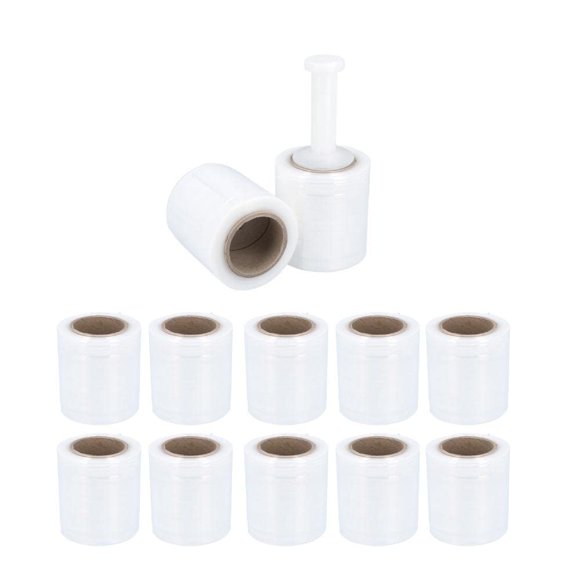
Keep pallets and shipments stable with stretch wrap that holds everything together.


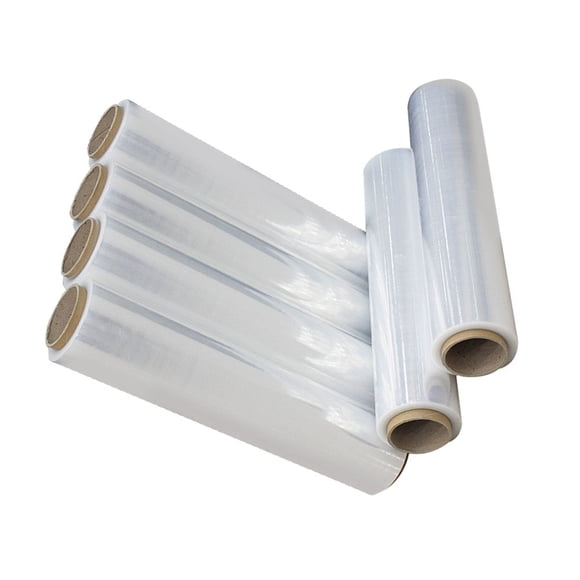
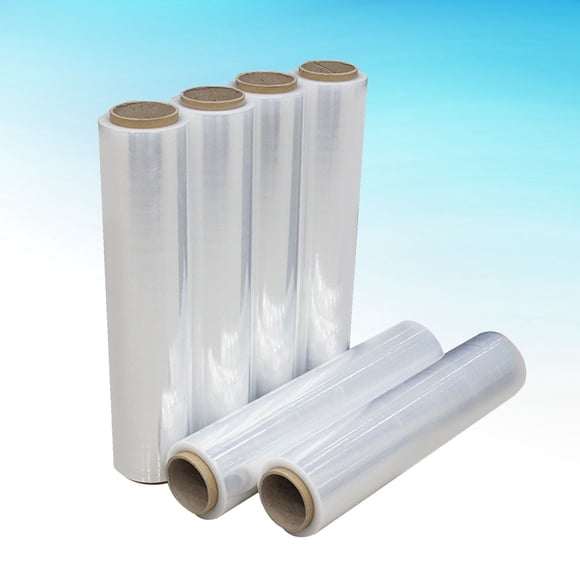
What is the difference between stretch wrap and shrink wrap?
Stretch wrap is applied manually by stretching the film around the load. It does not require heat to seal and can be removed easily. Shrink wrap is applied loosely and then heated to shrink tightly around the item, creating a more permanent seal. Stretch wrap is more common for pallets and furniture; shrink wrap is more common for retail packaging.
How thick should stretch wrap be?
Stretch wrap thickness is measured in microns or gauge. Thinner films are adequate for light loads, while thicker films hold up better for heavy or sharp-edged items. Standard hand wrap for general packing falls in the 12 to 17 micron range. Heavy-duty applications may call for thicker gauge film.
Can I use stretch wrap on furniture?
Yes. Stretch wrap is widely used during moves to hold furniture drawers and doors closed, protect surfaces from scratches, and bundle loose items together. It does not leave adhesive residue, making it safe for finished wood, upholstery, and painted surfaces.
How do I use a stretch wrap dispenser?
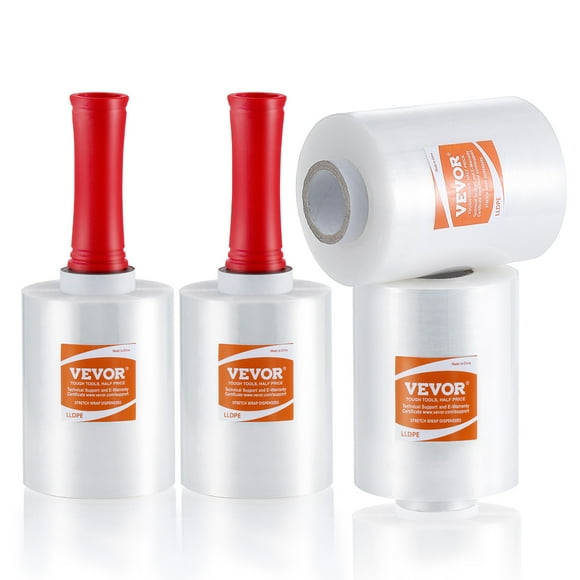
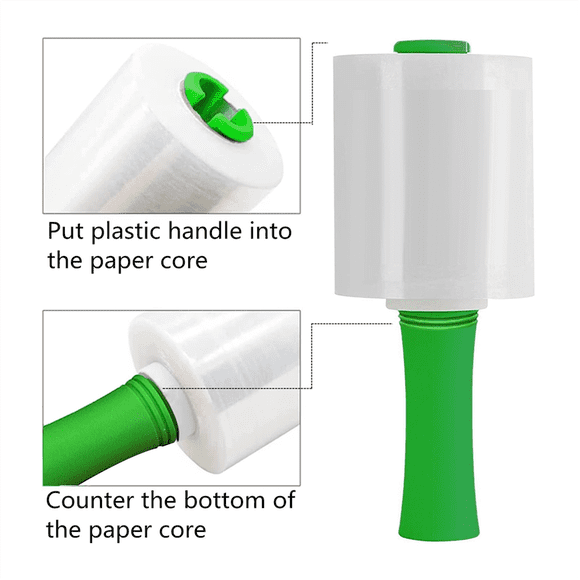
Load the roll onto the dispenser according to the product instructions, then pull the end of the wrap out and attach it to the item or load before walking around it with the dispenser to apply even layers. Keep consistent tension as you wrap. A dispenser reduces hand fatigue and gives a more even application than wrapping with bare hands.
How do I dispose of stretch wrap?
Stretch wrap is a plastic film and can often be dropped off at plastic film recycling locations, such as bins found at many grocery stores and large retailers. It is not typically accepted in curbside recycling. Check your local municipality's guidelines for plastic film disposal options in your area.