





Cat trees, towers & condos(761)
Explore, play, and rest safely with cat trees cat condos.
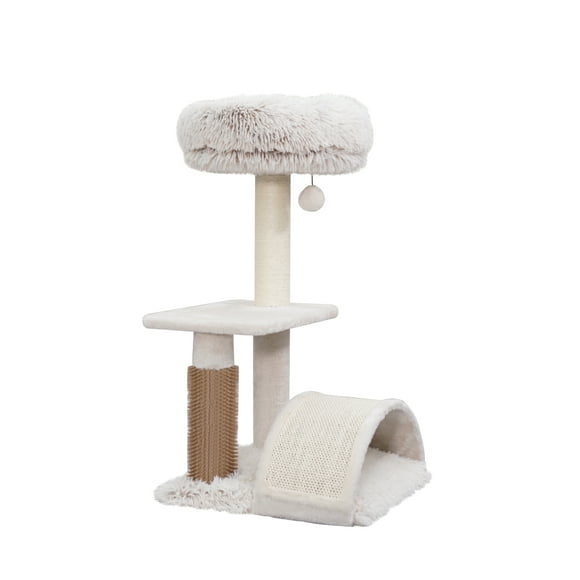


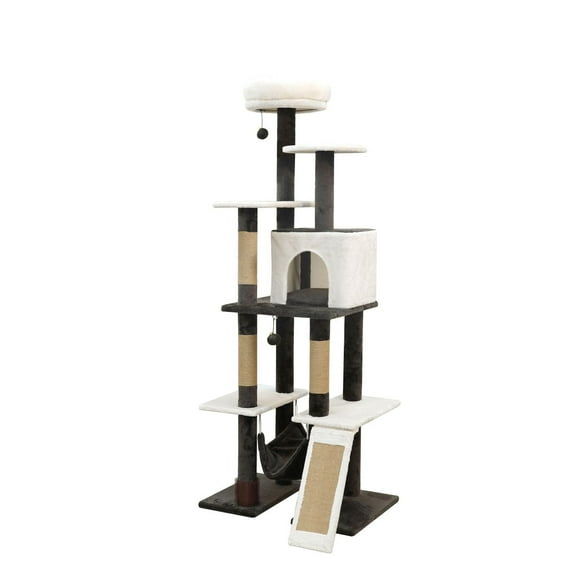
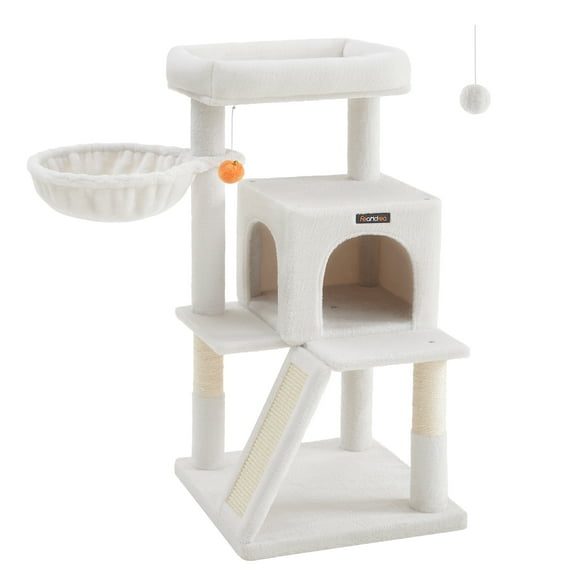
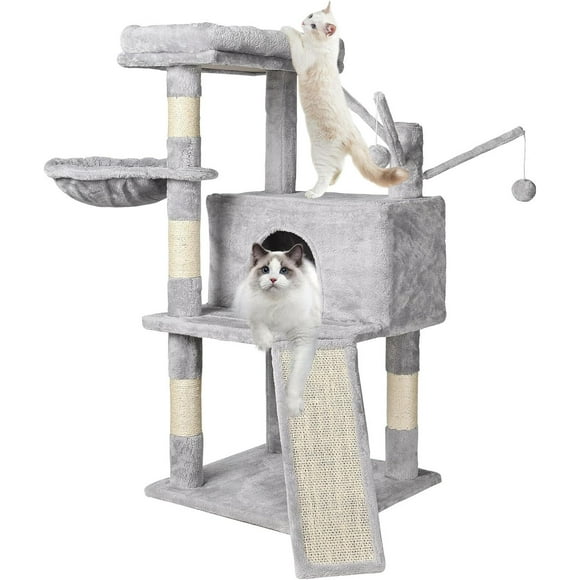


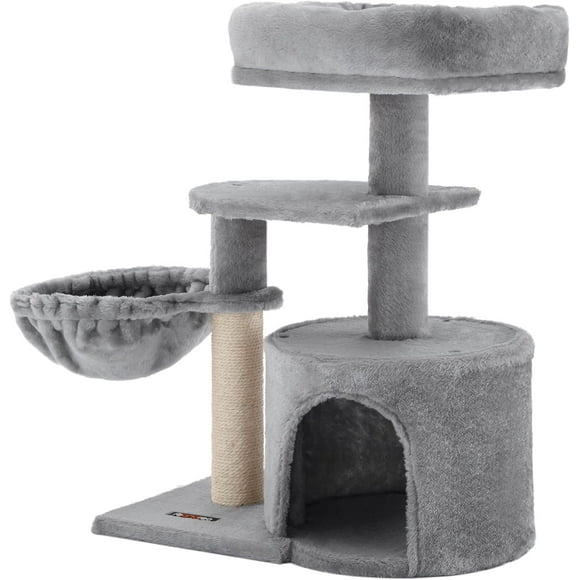
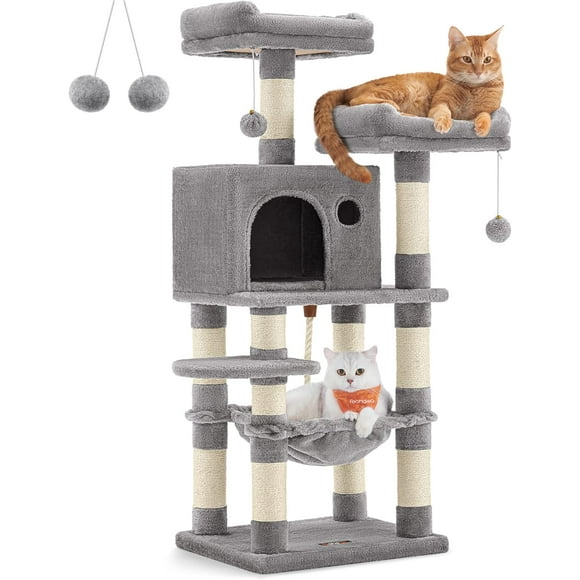


FAQ about Cat Tree
What materials are best for a durable cat tree?
Durable cat trees are typically made from solid wood, engineered wood, or heavy-duty particle board for a strong base. The platforms and posts are often wrapped in sisal rope, which is tough and ideal for scratching. Carpet or faux fleece is commonly used for surface comfort and traction. Metal hardware and reinforced joints add stability, especially for larger or active cats. Avoid lightweight plastic or flimsy materials that may wobble or break over time. A well-built cat tree should support climbing, jumping, and lounging without tipping or wearing out quickly, ensuring long-term use and safety for your cat.
Can a cat tree help with scratching behavior?
Yes, a cat tree can help reduce unwanted scratching behavior by providing designated surfaces for your cat to scratch. Most cat trees include posts wrapped in sisal rope, which cats find satisfying to claw. This helps redirect their natural scratching instincts away from furniture and carpets. By offering vertical space and engaging textures, a cat tree encourages healthy physical activity and mental stimulation. Placing the tree in a favorite area and rewarding your cat for using it can reinforce positive habits. Over time, the cat tree becomes a preferred spot for scratching, climbing, and lounging, supporting overall well-being.
What features should I look for in a cat tree?
When choosing a cat tree, look for features that match your cat’s size, age, and activity level. A sturdy base ensures stability, while multiple levels offer climbing and lounging options. Scratching posts wrapped in sisal rope help satisfy natural instincts. Platforms, hideouts, and hammocks provide resting spots and privacy. For active cats, include ramps or hanging toys for stimulation. Consider the height if your cat enjoys perching. Easy-to-clean surfaces and durable materials support long-term use. The design should fit your space and encourage daily use, helping your cat stay active, entertained, and comfortable indoors.
How do I clean and maintain a cat tree?
To clean and maintain a cat tree, start by vacuuming the surfaces regularly to remove fur, dust, and debris. Use a lint roller or pet hair remover for tight spots. Spot clean stains with mild soap and water, avoiding harsh chemicals. Disinfect areas with a pet-safe cleaner, especially if multiple cats use it. Check for loose screws, frayed rope, or damaged platforms and tighten or replace parts as needed. Rotate or reposition the tree occasionally to encourage use and prevent wear in one area. Regular upkeep keeps the cat tree safe, hygienic, and enjoyable for your cat.