











Air conditioners(1000+)
Keep cool with air conditioners made for every room.


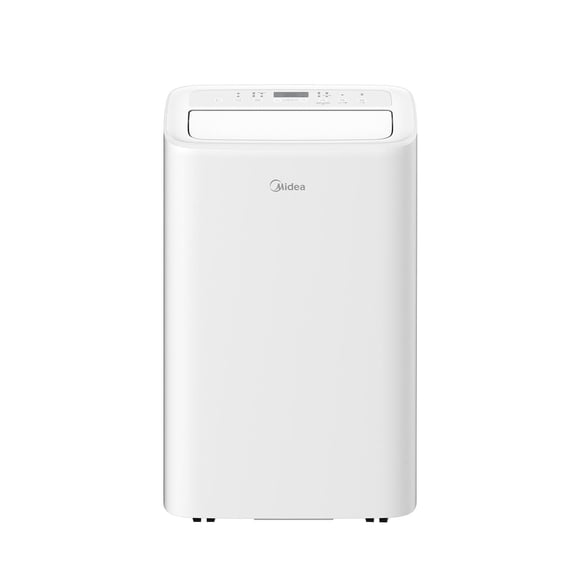
FAQs About Air Conditioners
What types of air conditioners are available and which one is best for me?
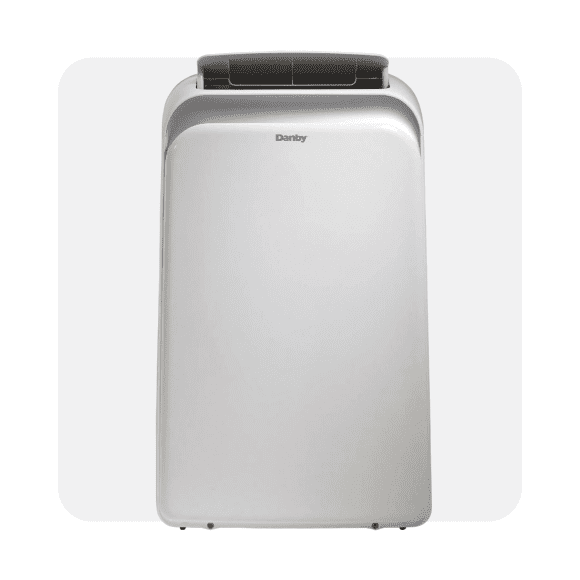
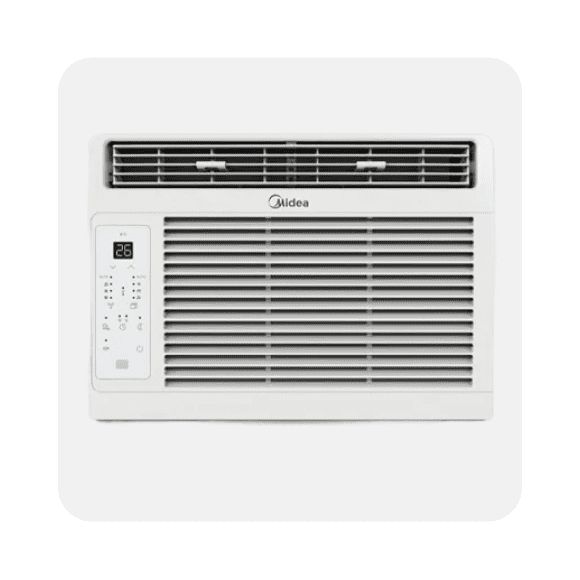
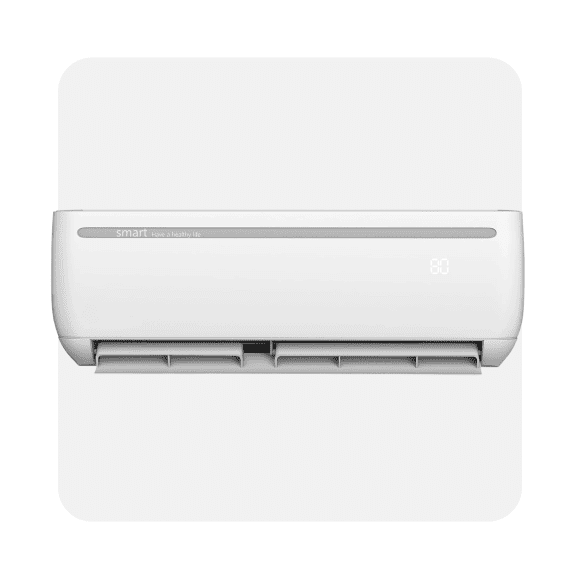
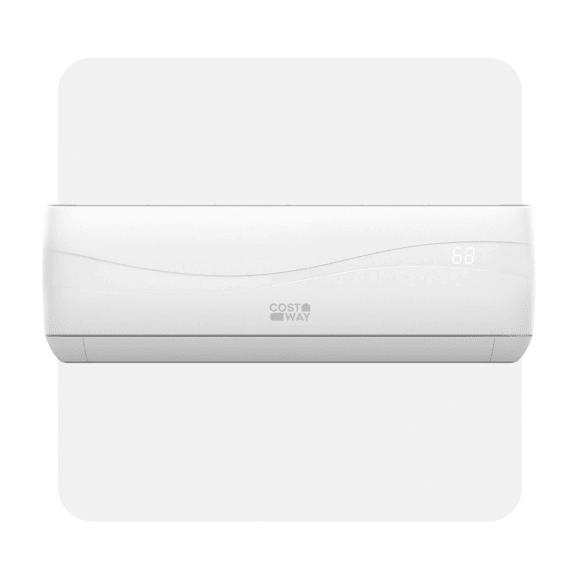
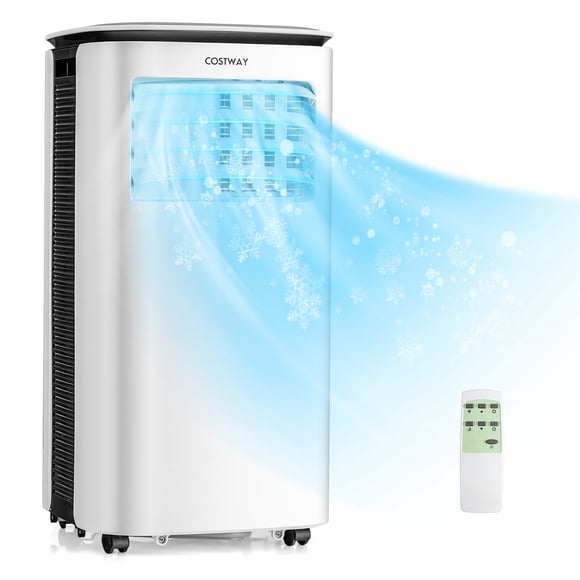
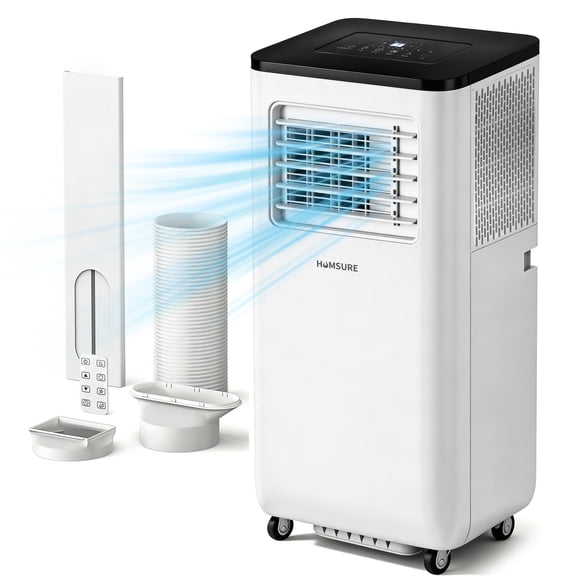
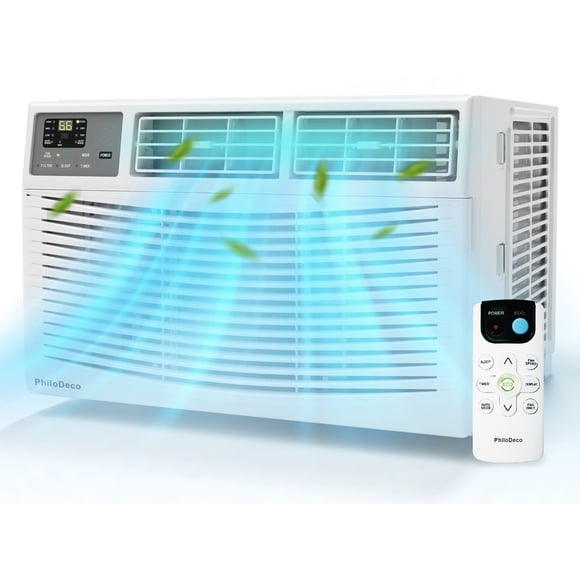
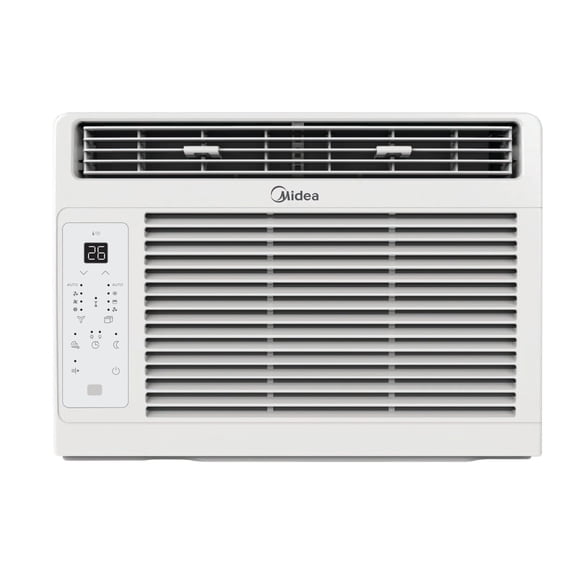
There are several types of air conditioners available, and the best choice depends on your cooling needs, space size, and budget. Window units are a popular option for cooling single rooms as they're affordable and easy to install. Split systems, which consist of an indoor and outdoor unit, are great for homes or offices, providing quiet operation and energy efficiency. If you're looking for flexibility, portable air conditioners are movable and perfect for temporary cooling. Ductless mini-split systems are another excellent option, offering energy-efficient, targeted cooling for specific zones without requiring ductwork. For those interested in year-round solutions, hybrid or dual systems combine electric cooling with gas heating for maximum efficiency. To choose the right one, consider your space size, whether you need cooling for one room or the entire home, and any specific energy-efficiency goals. A professional consultation can also help guide your decision!
How do I choose the right size air conditioner for my room?
Choosing the right size air conditioner for your room is crucial to ensuring efficient cooling and comfort without wasting energy. To start, measure the room by multiplying its length and width to calculate the square footage. Once you have this number, match it to the recommended cooling capacity, which is measured in BTUs (British Thermal Units). For example, a 100–150 sq. ft. room typically requires a 5,000 BTU air conditioner, while a 300–350 sq. ft. space may need around 8,000 BTUs. If your room is irregularly shaped or includes high ceilings, large windows, or direct sunlight exposure, you might need to adjust the size slightly. Similarly, for kitchens or rooms with large appliances that generate heat, consider a higher BTU capacity. Conversely, if the space is well-insulated and shaded, a smaller unit may suffice. Choosing the right size ensures your air conditioner can cool your space effectively without working too hard or consuming unnecessary energy, keeping you comfortable and your utility bills manageable.
What features should I look for in an air conditioner?
When choosing an air conditioner, look for features that ensure comfort, efficiency, and convenience. Start with the unit’s cooling capacity, measured in BTUs, to match the size of your space—bigger isn't always better, as an oversized unit can lead to inefficiency. Energy efficiency is key, so opt for models with high SEER or EER ratings and the ENERGY STAR® certification, which can help reduce electricity costs. Programmable thermostats, smart controls, or compatibility with home automation systems let you conveniently adjust settings to optimize comfort. Consider noise levels, especially for bedrooms or quiet spaces, and check for units designed with lower decibel ratings. Filter quality is another priority—look for washable or HEPA filters that improve air quality. Additional features like sleep modes, dehumidifiers, adjustable fan speeds, and directional vents offer greater flexibility. Lastly, ensure it’s easy to install and maintain to keep your home cool and stress-free.
What air conditioning should I consider if I live in a rented apartment?
If you’re living in a rented apartment, choosing the right air conditioning is about balancing comfort, flexibility, and landlord restrictions. Portable air conditioners are a great option—they don’t require permanent installation, are easy to move between rooms, and can be taken with you when you move. Another popular choice is window air conditioners, which are compact and efficient, but you’ll need to confirm they’re allowed by your landlord and fit your window size. For a more versatile option, consider a ductless mini-split system if your landlord permits, as it offers efficient cooling without the need for major modifications. Ensure the unit you choose is energy-efficient, such as one with an ENERGY STAR® certification, to keep utility costs manageable. Also, prioritize features like quiet operation, adjustable cooling settings, and easy maintenance. Before purchasing, always check your lease agreement and communicate with your landlord to ensure your chosen air conditioner meets the property requirements.
What is the difference between window, portable, and split air conditioners?
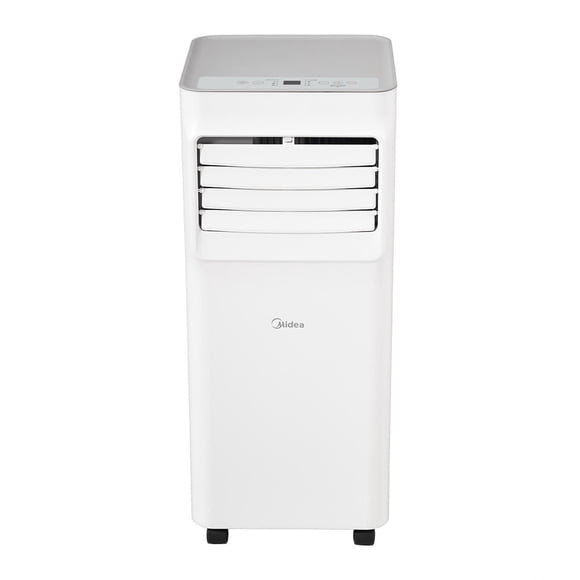
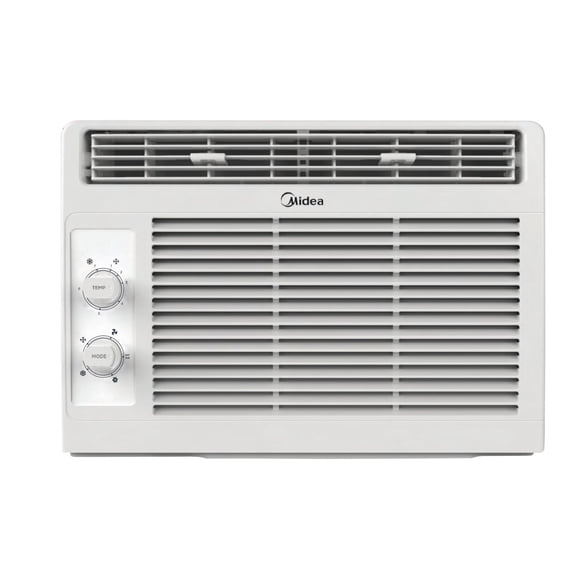
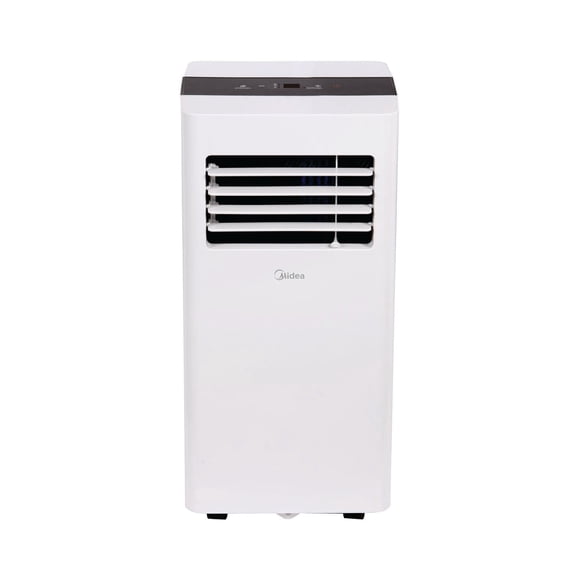
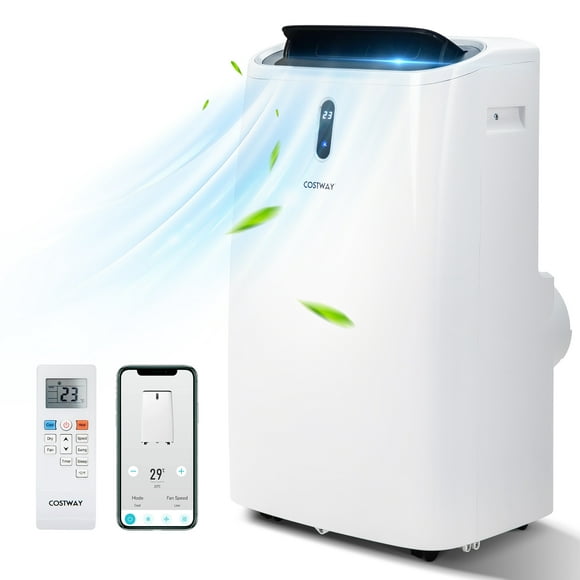
Window, portable, and split air conditioners each serve to cool your space, but they differ in design, functionality, and application. Window air conditioners are compact, single-unit systems installed in a window or wall opening. They are budget-friendly and ideal for small to medium rooms, but they do need a dedicated space. Portable air conditioners, on the other hand, are freestanding and easy to move between rooms, making them a flexible option. They vent hot air through a hose connected to a window or wall, which makes setup straightforward. Split air conditioners are a more permanent solution, consisting of two units: an indoor unit that delivers cool air and an outdoor compressor that removes heat. They offer superior cooling performance, are quieter, and blend seamlessly into any home. Unlike window or portable units, split ACs require professional installation and are generally suited for larger areas or homes needing zoned cooling. Knowing your space, budget, and preferences can help you choose the right option!
What is the ideal BTU (British Thermal Unit) rating for my room size?
The ideal BTU (British Thermal Unit) rating for your room depends on its size and specific conditions. BTU measures an air conditioner's cooling capacity, so choosing the right size ensures optimal comfort and efficiency. As a general guideline, rooms up to 150 square feet need about 5,000 BTUs, while 150–250 square feet require around 6,000 BTUs. Larger spaces, like 300–450 square feet, typically need 8,000–10,000 BTUs. However, other factors can influence your choice, such as ceiling height, room insulation, sunlight exposure, and the number of people using the space. For instance, sunlit rooms or those with poor insulation may need a higher BTU rating, while shaded or well-insulated spaces might need less. An appropriately sized unit will cool effectively without overworking, saving energy and maintaining comfort. If you're still unsure, many retailers provide BTU calculators or charts to help you find the perfect fit for your room.
What does the SEER or EER rating mean?
SEER (Seasonal Energy Efficiency Ratio) and EER (Energy Efficiency Ratio) are key ratings that help you understand how energy-efficient an air conditioner or heat pump is. SEER measures the cooling efficiency over an entire cooling season, considering fluctuations in outdoor temperatures, making it a great indicator for typical, long-term energy use. The higher the SEER rating, the more energy-efficient the unit, which can lead to lower energy bills. EER, on the other hand, evaluates efficiency at a specific outdoor temperature (usually 95°F) and is particularly helpful for assessing performance during peak cooling periods. Both ratings are important, but SEER is more commonly used to compare residential systems. A high SEER or EER rating means your system uses energy more effectively, providing both comfort and cost savings. When choosing a system, look for models with higher ratings to enjoy better efficiency while reducing your environmental footprint. Feel free to consult an expert to find the best rating for your needs!