


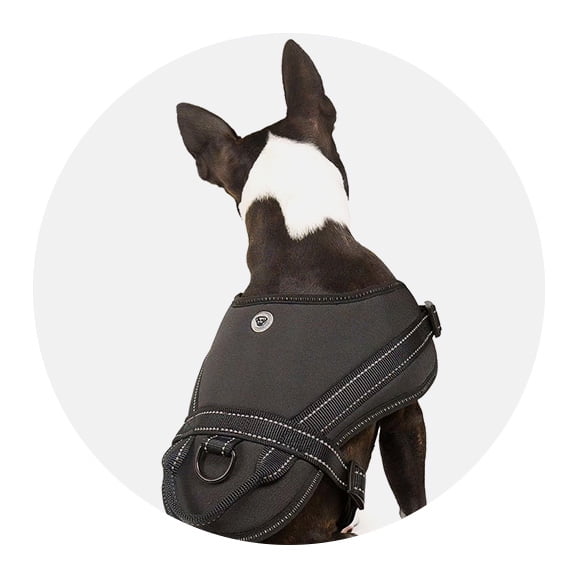
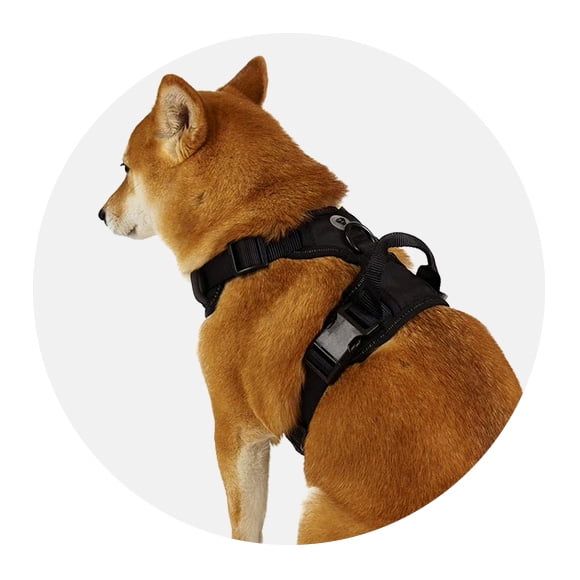
Dog Harnesses(1000+)
Walk, train, and explore safely with durable dog harnesses.
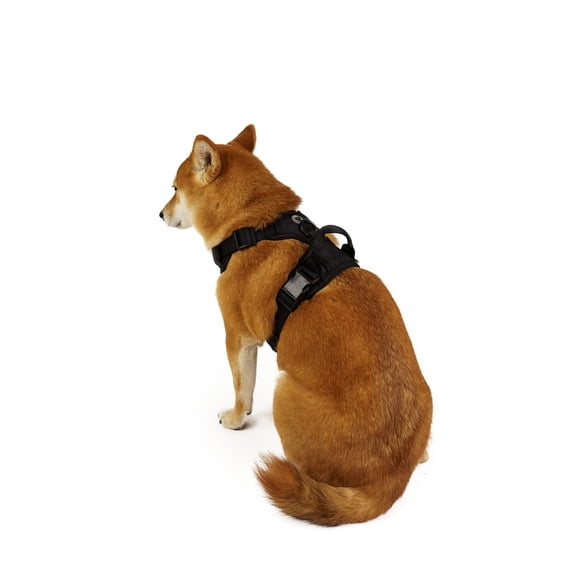


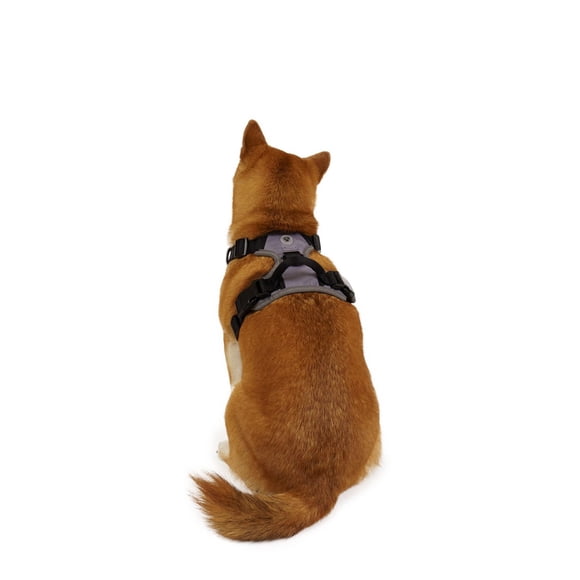
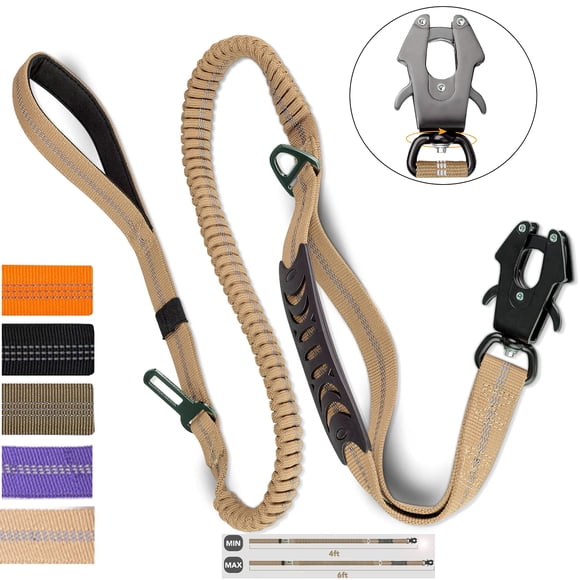
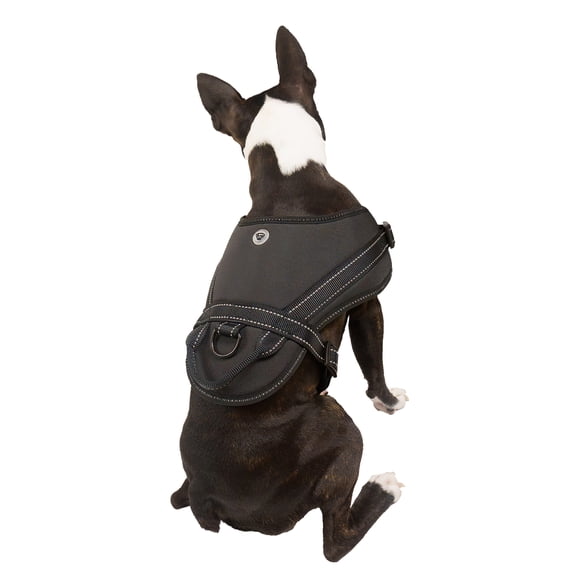

FAQ – Dog Harnesses
How do I measure my dog for a harness?
To measure your dog for a harness, use a soft measuring tape to determine the chest girth, which is the widest part of your dog’s ribcage just behind the front legs. Also measure the neck circumference where a collar would normally sit. These two measurements help you choose the correct size based on the brand’s sizing chart. Make sure the tape is snug but not tight. If your dog is between sizes, choose the larger one for comfort. A properly fitted harness should allow two fingers between the straps and your dog’s body, ensuring both security and ease of movement.
What materials are best for dog harnesses?
The best materials for dog harnesses depend on your dog’s size, activity level, and comfort needs. Nylon is widely used for its strength, flexibility, and resistance to wear. Neoprene adds padding and softness, making it ideal for dogs with sensitive skin or active lifestyles. Mesh harnesses offer breathability and are lightweight, suitable for small breeds or warm climates. Leather harnesses provide durability and a classic look but may be heavier. Metal hardware like stainless steel or aluminum is preferred for buckles and rings due to its strength and rust resistance. Choosing the right material ensures safety and long-lasting performance.
Can dogs wear harnesses all day?
Dogs should not wear harnesses all day unless necessary for specific situations like travel or medical reasons. While harnesses are designed for comfort and control during walks, wearing one continuously can lead to skin irritation, chafing, or pressure sores, especially if the fit isn’t perfect. It’s important to remove the harness when your dog is resting, playing indoors, or sleeping to allow the skin and fur to breathe. Regular checks for signs of discomfort or wear are essential. Using the harness only during walks or training sessions helps maintain your dog’s comfort and prevents potential health issues over time.
How tight should a dog harness be?
A dog harness should be snug enough to stay in place but not so tight that it restricts movement or causes discomfort. You should be able to fit two fingers between the harness straps and your dog’s body. If the harness is too loose, it may shift or allow your dog to slip out. If it’s too tight, it can lead to chafing or pressure sores. Check the fit around the chest, neck, and under the legs, especially after walks or play. Adjust the straps as needed and monitor for signs of rubbing or irritation to ensure a secure and comfortable fit.
Do harnesses help with pulling?
Yes, harnesses can help with pulling, especially those designed with a front-clip attachment. Front-clip harnesses redirect a dog’s forward motion, making it easier for the handler to control and guide the dog during walks. This discourages pulling by shifting the dog’s focus and momentum. No-pull harnesses often include features that tighten slightly when the dog pulls, adding gentle pressure without causing harm. While harnesses alone may not eliminate pulling, they are effective tools when combined with consistent training and positive reinforcement. Choosing the right style and fit is key to improving leash behavior and making walks more manageable.