


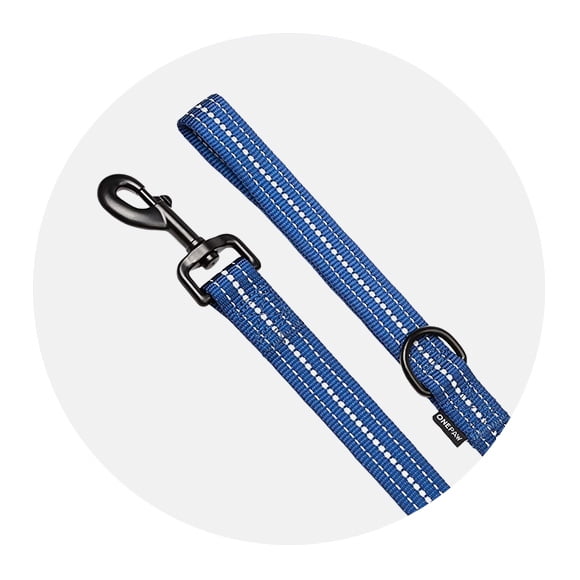
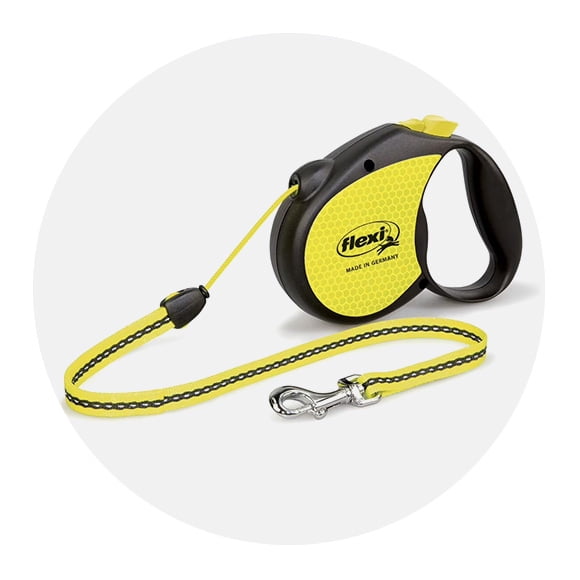
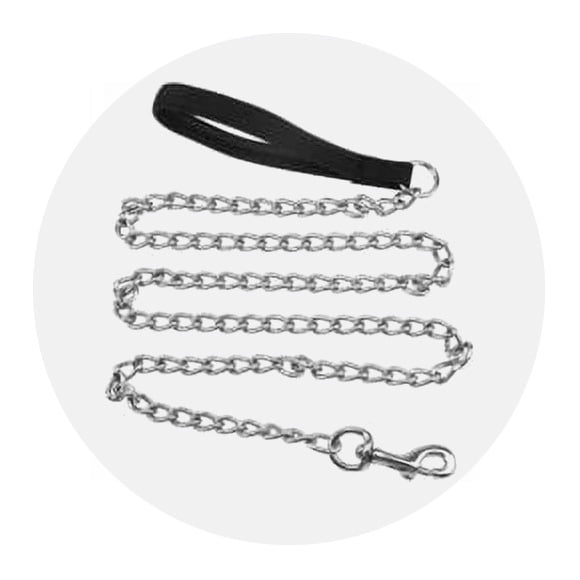
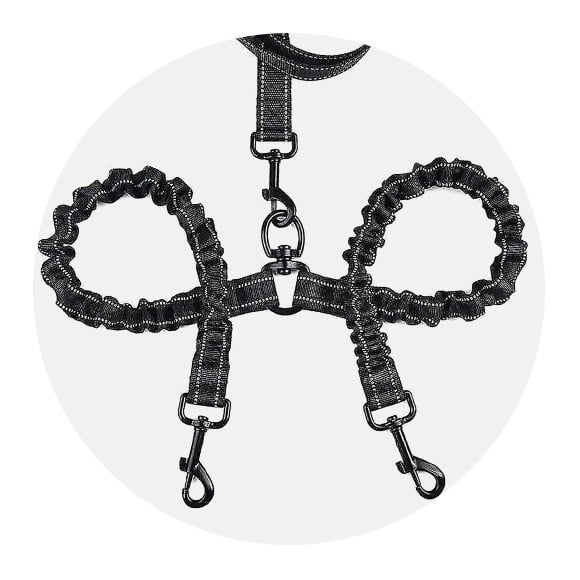
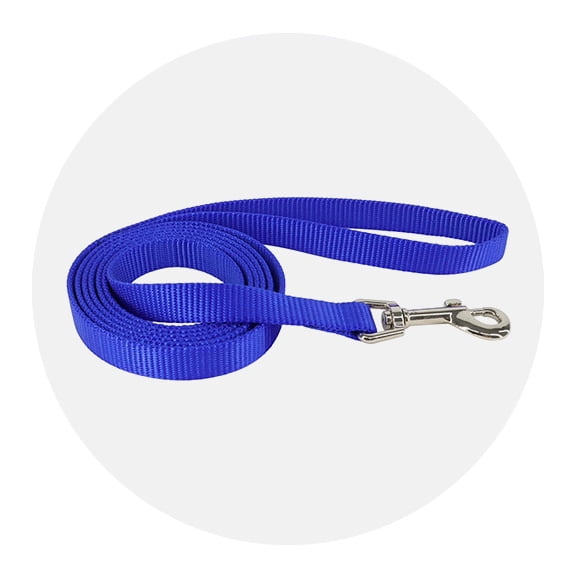
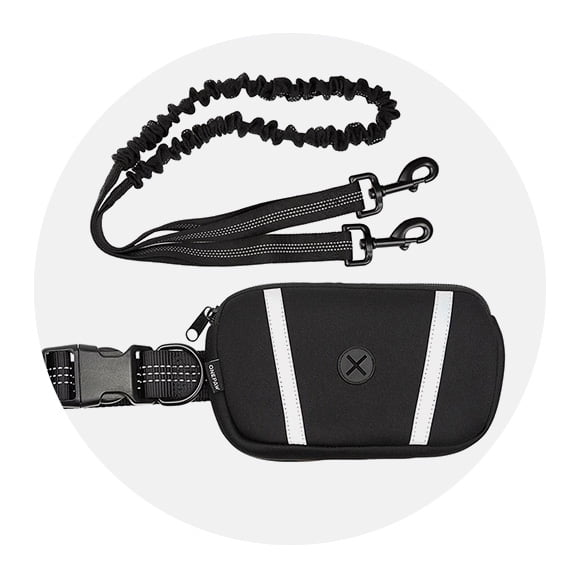
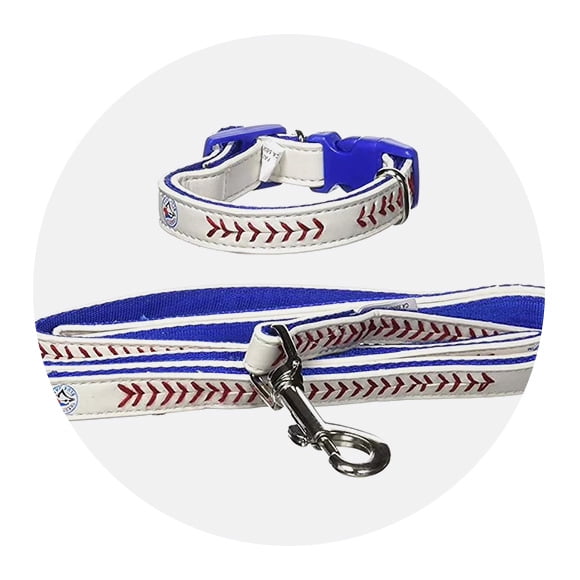
Dog leashes(1000+)
Walk, train, and explore safely with durable dog leashes.



FAQ about Dog Leashes
What should I look for when buying a leash?
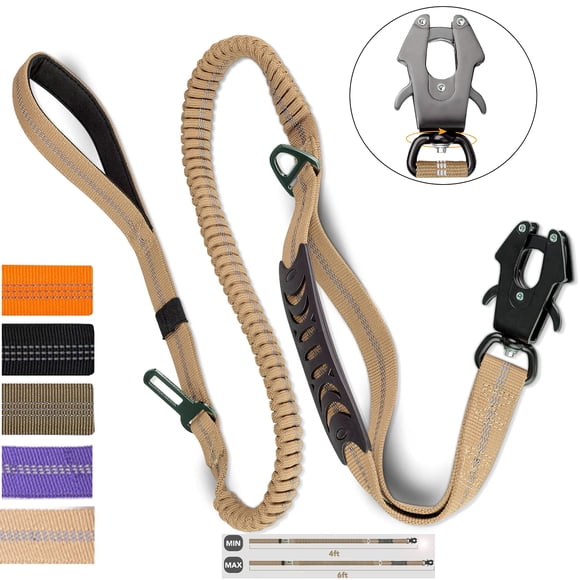
When buying a dog leash, consider your dog’s size, strength, and behavior. Choose a leash that offers durability, comfort, and control. The clasp should be secure and easy to use, and the handle should feel comfortable in your hand. For training or walking in busy areas, a standard 4 to 6-foot leash is ideal. Avoid leashes that are too long or flimsy for strong pullers. If your dog tends to chew, opt for a chew-resistant material. Ultimately, the leash should suit your lifestyle and provide safety for both you and your dog during walks.
What material is best for dog leashes?
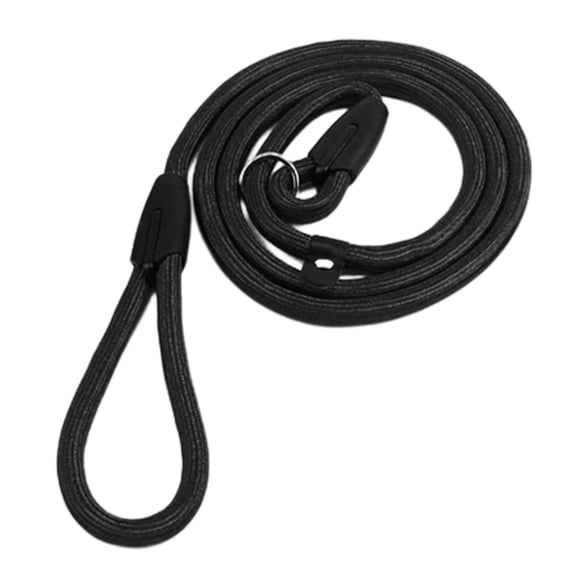
The best material for dog leashes depends on your dog’s size, strength, and activity level. Nylon is lightweight, strong, and suitable for everyday use. Leather offers durability and a classic look, becoming more flexible over time. Rope leashes, often made from climbing-grade materials, are ideal for strong dogs and outdoor activities. Biothane is a coated material that resists water and odor while remaining flexible and easy to clean. Each material has its own advantages, so the right choice depends on how and where you walk your dog, as well as their behavior and comfort needs during those outings.
How long should a dog leash be?
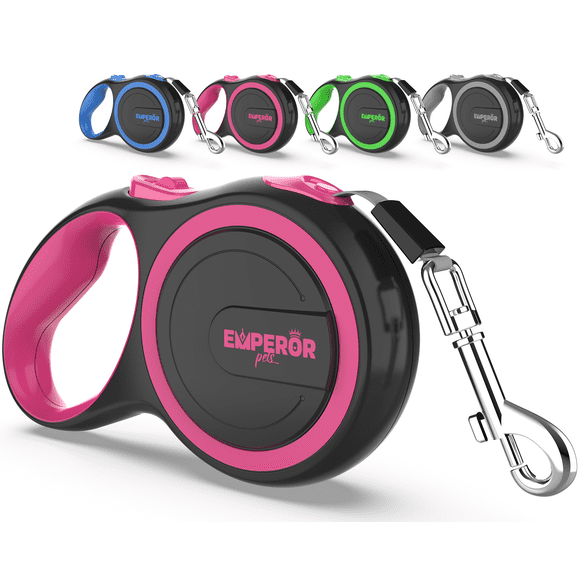
The ideal length of a dog leash depends on your dog’s behavior and the activity. A standard leash is usually between four and six feet long, offering enough control while allowing some freedom of movement. Four-foot leashes are better for crowded areas or training sessions where close control is needed. Six-foot leashes are great for casual walks and give your dog more room to explore. Longer leashes, such as 15 to 30 feet, are used for recall training or open spaces. Choosing the right length helps balance safety, control, and comfort for both you and your dog during walks.
How often should I replace my dog’s leash?
You should replace your dog’s leash when it shows signs of wear such as fraying, stretching, or a weakened clasp. Regularly inspect it, especially if your dog pulls hard or chews on it. A damaged leash can compromise safety during walks. For active dogs or daily use, consider checking the leash every few months. If the leash has been exposed to water, dirt, or rough terrain, it may degrade faster. Replacing it promptly ensures your dog stays secure and prevents accidents. Even if it looks fine, upgrading occasionally can improve comfort and control for both you and your dog.
Can I wash my dog’s leash, and how?
Yes, you can wash your dog’s leash to keep it clean and odor-free. For nylon or fabric leashes, soak in warm water with mild soap, gently scrub, then rinse thoroughly and air dry. Leather leashes should be wiped with a damp cloth and treated with leather conditioner to maintain flexibility. Avoid harsh chemicals or machine washing, as they can weaken the material or damage hardware. Regular cleaning helps prevent dirt buildup and extends the leash’s lifespan. Always check for wear after washing to ensure it remains safe and strong for everyday use.