


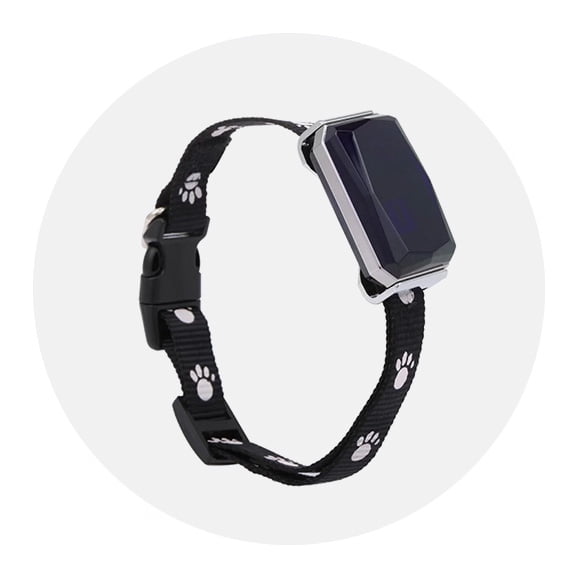
GPS Dog Collars(271)
Track, locate, and keep pets safe with GPS dog collars.





FAQ - GPS Dog Collars
What is a GPS dog collar and how does it work?
A GPS dog collar uses satellite technology to track your dog’s location in real-time. The collar contains a GPS chip that communicates with satellites and sends location data to your smartphone or computer via an app. Some models also use cellular networks or Bluetooth to provide updates. GPS collars are ideal for dogs that roam, escape, or live in large properties. They help you locate your pet quickly if they get lost and may include features like virtual fences, activity tracking, and alerts. A subscription plan is often required for full GPS functionality.
Are GPS dog collars accurate?
Most GPS dog collars offer reliable and accurate tracking, typically within a range of 5–10 feet under ideal conditions. Accuracy can vary depending on the model, signal strength, terrain, and whether the device uses cellular, Wi-Fi, or satellite signals. High-end collars with real-time tracking and multiple signal sources (GPS + cellular + Wi-Fi) tend to be more precise. In rural or heavily wooded areas, signal interruptions can slightly reduce accuracy. Regular updates and a strong mobile signal can help maintain more consistent tracking performance.
Do GPS dog collars require a subscription?
Many GPS dog collars require a monthly or yearly subscription to access full tracking features, especially those using cellular networks. The subscription covers the cost of data transmission between the collar and your smartphone or tracking app. Some models offer basic Bluetooth or offline tracking without a subscription, but these are limited in range and functionality. When choosing a GPS collar, check the pricing plans and what’s included—some brands bundle location history, virtual fences, and health monitoring with the subscription.
Are GPS collars safe for dogs to wear?
Yes, GPS dog collars are generally safe when used properly. They are designed to be lightweight and comfortable for everyday wear. Most are water-resistant or waterproof, making them suitable for active dogs. Always choose the correct size and ensure a snug but not tight fit. Check the collar regularly for wear and avoid extended use if your dog shows signs of discomfort. As with any electronic device, supervise initial use and charge the collar regularly to ensure it remains functional when needed.
Can a GPS dog collar replace a microchip?
No, a GPS collar should not replace a microchip—it complements it. A GPS collar helps you track your dog’s location in real time, which is useful if your dog gets lost or runs off. However, if the collar is removed or loses power, it won’t help. A microchip, implanted under your dog’s skin, provides permanent identification that vets and shelters can scan to access your contact information. For the best protection, use both: a GPS collar for real-time tracking and a microchip for secure, long-term ID.