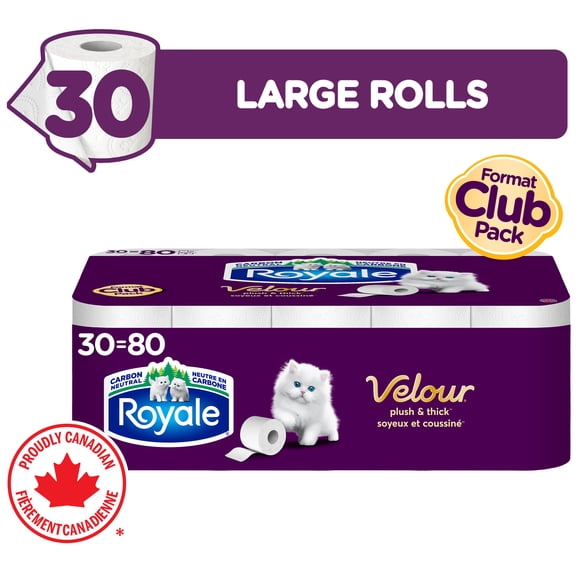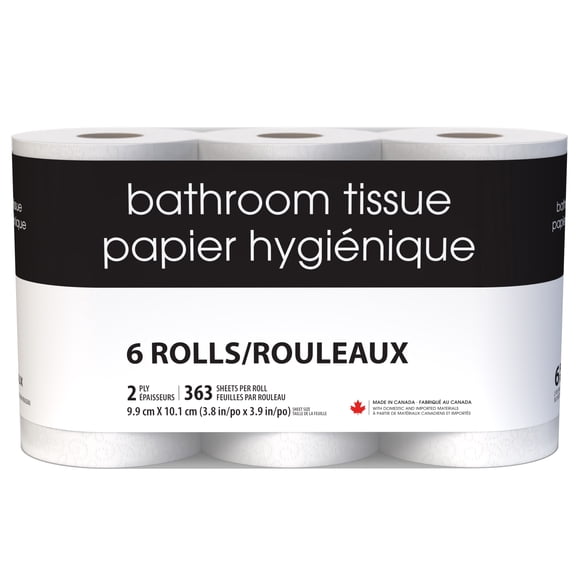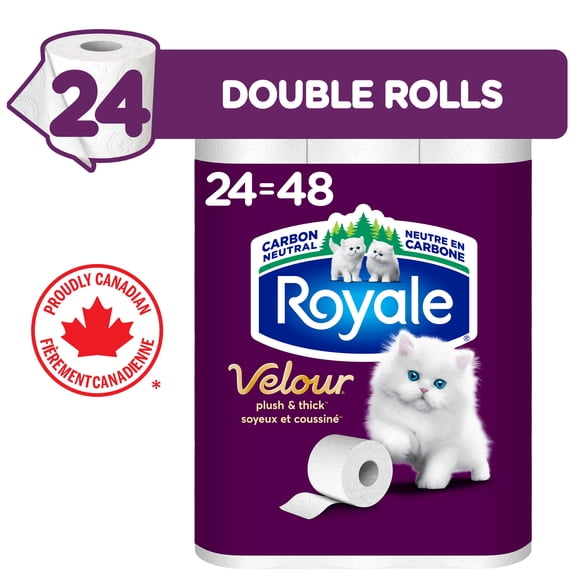
Toilet Paper(1000+)
Maintain hygiene and comfort with soft toilet paper.


FAQs about toilet paper
What’s the difference between 1-ply, 2-ply, and 3-ply toilet paper?
The main difference between 1-ply, 2-ply, and 3-ply toilet paper is the number of layers and the overall softness and strength. 1-ply toilet paper has a single sheet, making it thinner and more affordable, but you may need to use more per wipe. 2-ply paper offers a good balance of softness and durability, making it the most common choice for households. 3-ply toilet paper provides a plush, luxury feel with extra thickness for comfort and absorbency. Choosing the right ply depends on your personal preference, plumbing system, and budget.
Is recycled toilet paper safe and hygienic?
Yes, recycled toilet paper is completely safe and hygienic. It’s made from post-consumer recycled paper—like office paper or cardboard—not previously used tissue products. The paper is cleaned, sanitized, and processed under strict manufacturing standards. Recycled toilet paper is an excellent eco-friendly option, as it reduces waste, saves trees, and requires less water and energy to produce. If you have sensitive skin, look for fragrance-free, chlorine-free (PCF or ECF) recycled options for maximum comfort.
Can certain toilet papers cause plumbing or septic problems?
Some thick or ultra-soft toilet papers can cause clogs in older plumbing or septic systems, especially if large amounts are used at once. For septic-safe performance, choose toilet paper labeled “septic-safe” or “rapid-dissolving”, which breaks down quickly in water. 1-ply or 2-ply varieties are typically better for septic tanks, RVs, and low-flow toilets. Avoid flushing wet wipes, even those labeled “flushable,” as they take much longer to break down and can cause serious blockages.
What’s the most eco-friendly toilet paper option?
The most eco-friendly toilet paper is made from sustainable materials such as bamboo or 100% recycled fibers. Bamboo toilet paper is naturally soft, strong, and biodegradable, while recycled paper uses fewer natural resources and reduces waste. Many eco-conscious brands also use plastic-free packaging and chlorine-free bleaching. Look for certifications like FSC (Forest Stewardship Council) or Rainforest Alliance Certified to ensure the product meets environmental and ethical standards.