







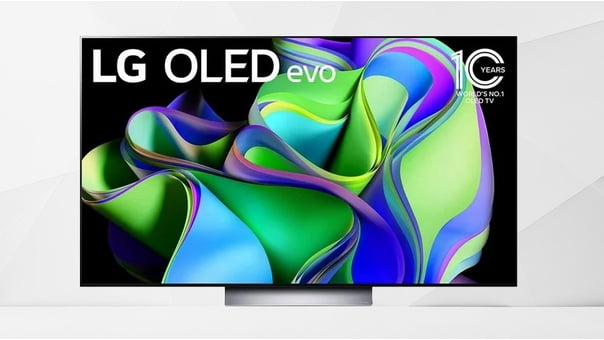
OLED
Experience stunning clarity from home.

 How do you want your items?How do you want your items?










![Samsung 77” inch S95F OLED 4K UHD Smart TV [2025 Model - QN77S95FA] – Open Box](https://i5.walmartimages.com/asr/80e993a2-b999-40e4-a8f0-1365a6b08a33.bc912b6861c098c1003ecb1bcfbc42b9.webp?odnHeight=576&odnWidth=576&odnBg=FFFFFF)











![Nintendo eCash $45 [Download]](https://i5.walmartimages.ca/asr/90b907f1-e5a6-4876-a7d1-f90b47b9fcd1.4b8c2b9c8e03ec8ee40ec3d6cc3a391b.png?odnHeight=576&odnWidth=576&odnBg=FFFFFF)
![Nintendo eCash $70 [Download]](https://i5.walmartimages.ca/asr/8f2917c3-ecf4-4ca0-8ff6-048ff45ce802.bab67ea6c5ddea9d1bc46af44b5e12fb.png?odnHeight=576&odnWidth=576&odnBg=FFFFFF)


![Restored Samsung 50-Inch U8000 Crystal UHD 4K Smart TV, Crystal Processor 4K, HDR, Q-Symphony, Gaming Hub [UN50U8000FFXZC] - Open Box](https://i5.walmartimages.ca/asr/61b607b9-4c19-4bc9-a3b7-f37a3c2435db.35ae2d3c958ffc7fce30da592548b9a2.jpeg?odnHeight=576&odnWidth=576&odnBg=FFFFFF)

![Restored SAMSUNG 50-Inch QLED Q8F 4K Smart TV, AI Gen 1 Processor, Quantum HDR+, Airslim Design, Gaming Hub, Q-Symphony - [QN50Q8FAAFXZC] - Open Box](https://i5.walmartimages.ca/asr/d79bccfa-fbfb-4933-b92d-aacff02fa56a.5a7f2b0741c1e732aef41db3928a4768.jpeg?odnHeight=576&odnWidth=576&odnBg=FFFFFF)
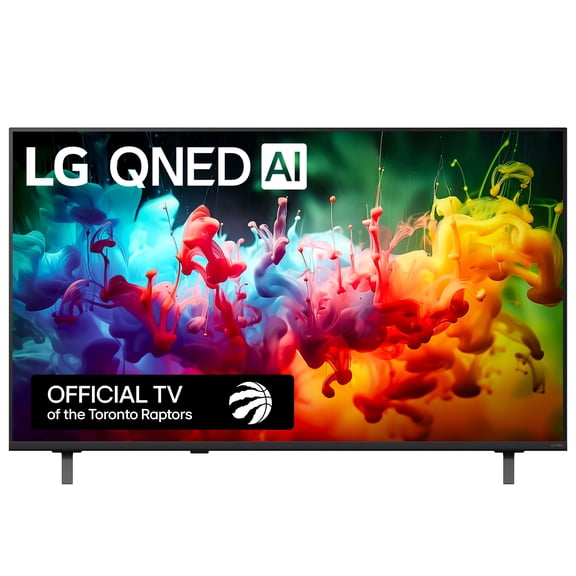
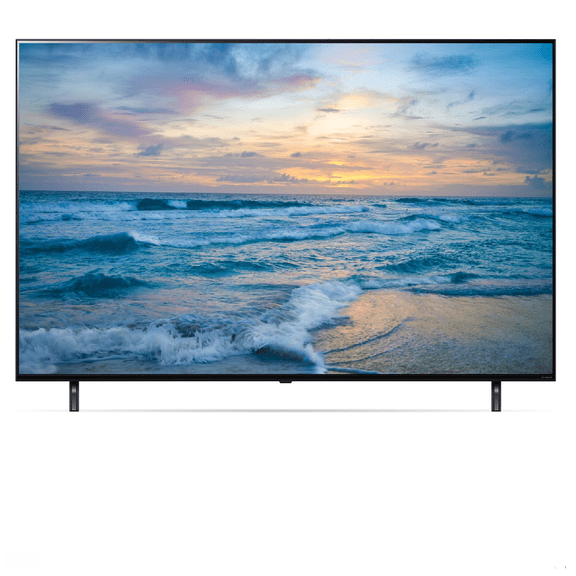
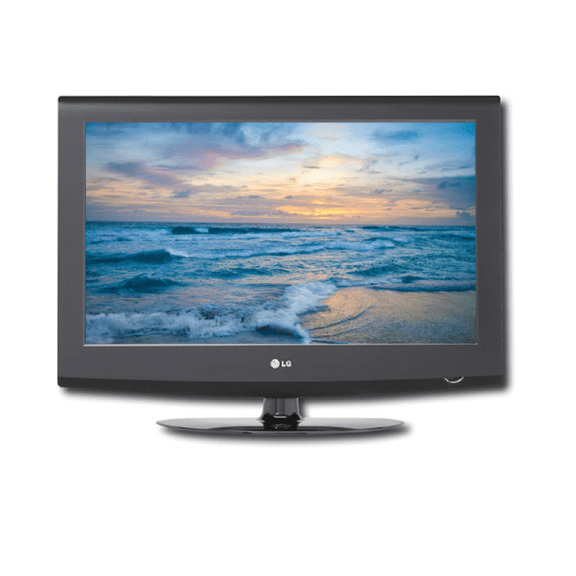
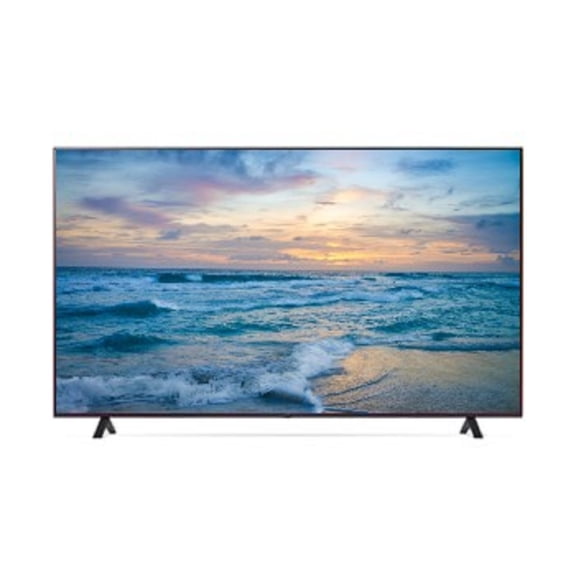

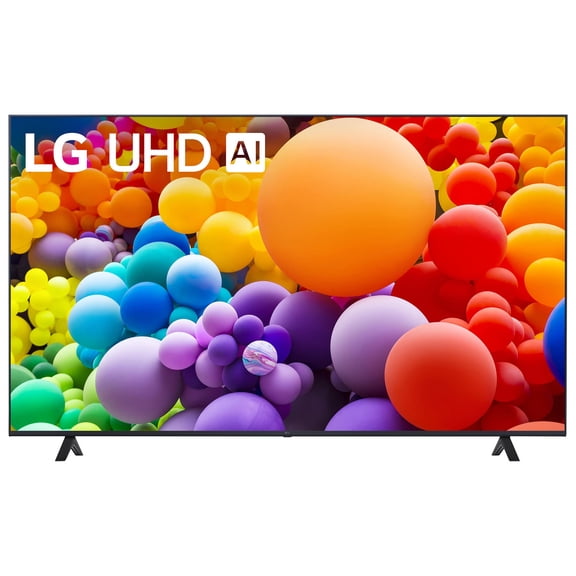
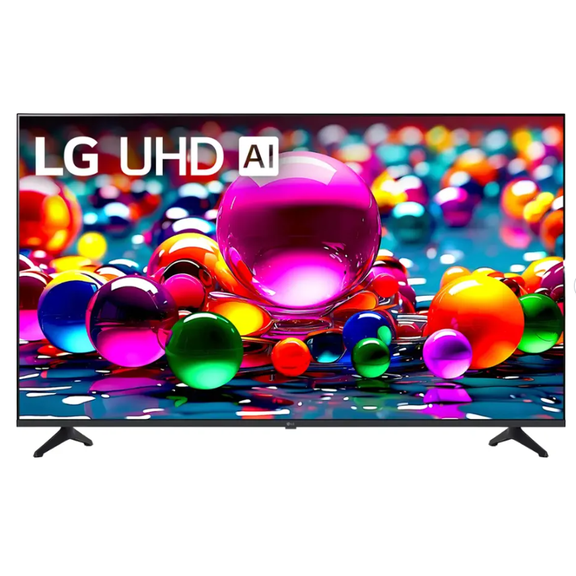

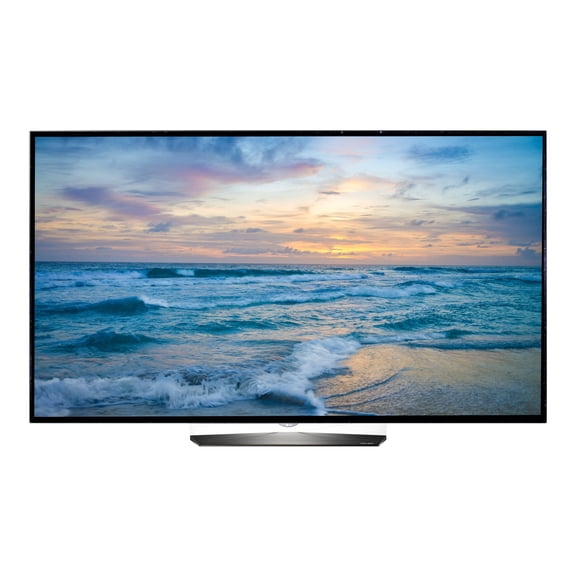
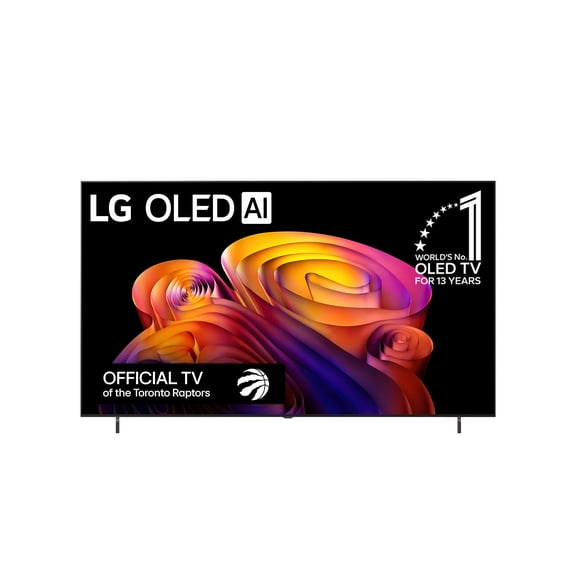

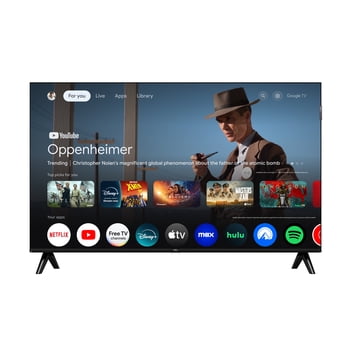
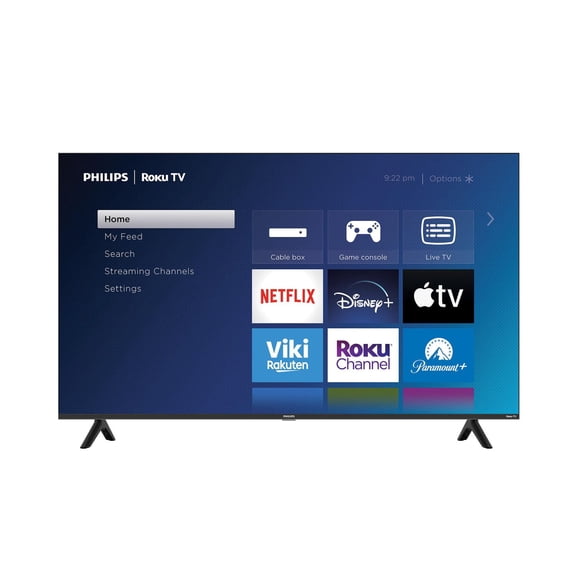
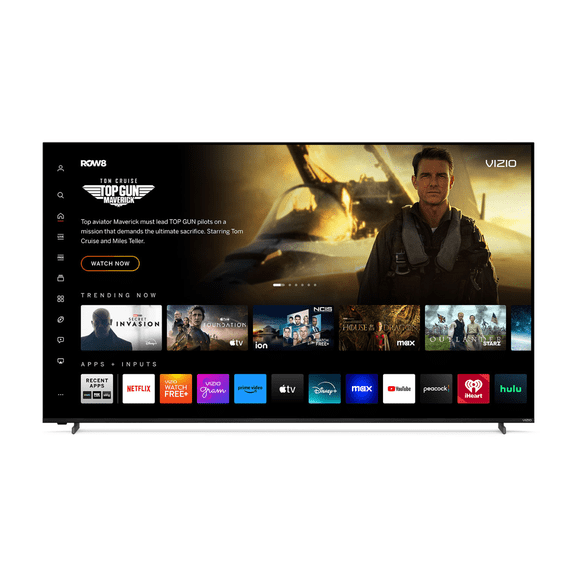
The key difference between a TV and a Smart TV lies in their capabilities and connectivity. A Smart TV is a technological advancement that offers integrated internet and interactive web features. It can run various applications and access streaming services such as Netflix, Hulu, Amazon Prime, and others directly, without the need for an external device. This feature offers greater flexibility and convenience in terms of content consumption, turning TV viewing into a more interactive experience. On the other hand, a traditional TV, also known as a non-smart TV, relies on external devices like DVD players, gaming consoles, or even streaming sticks to access additional content beyond regular television programming.
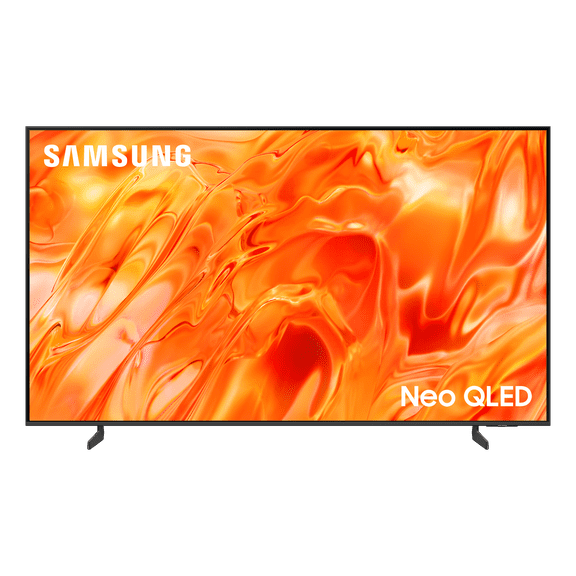
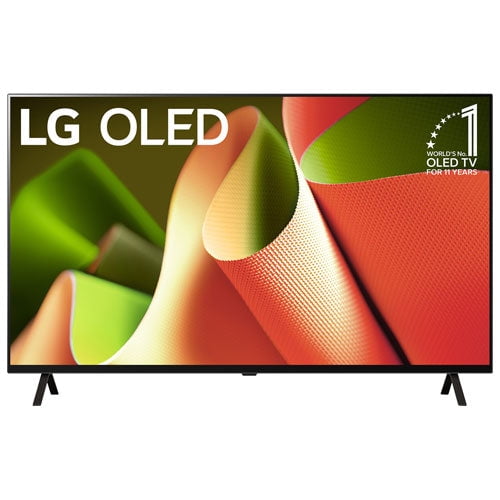
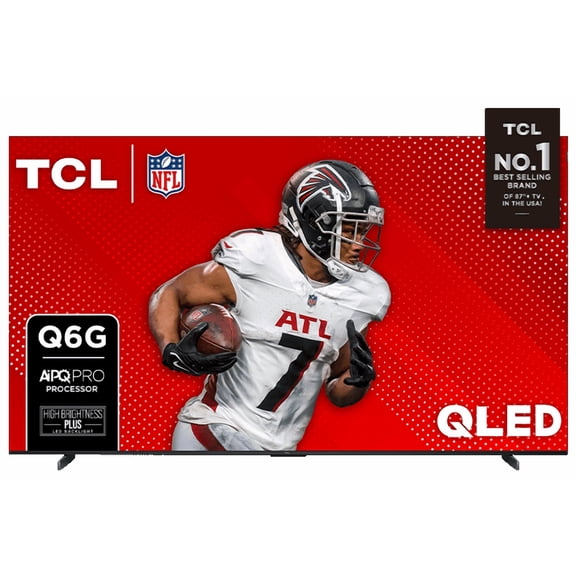
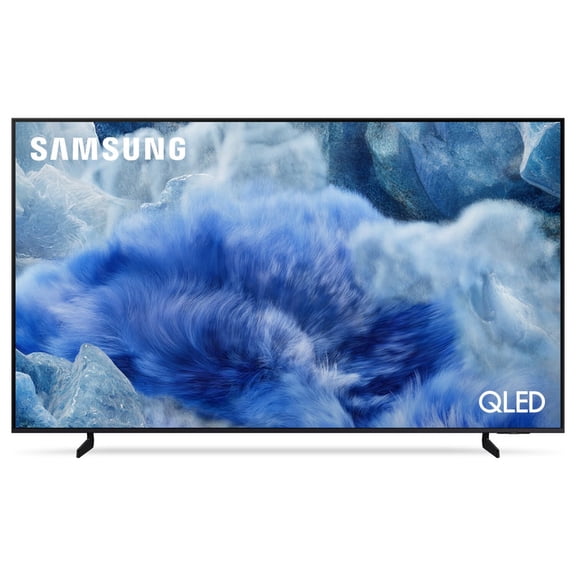
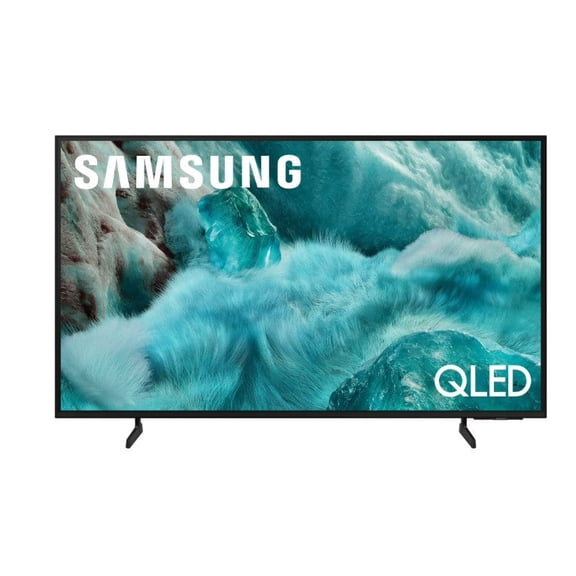
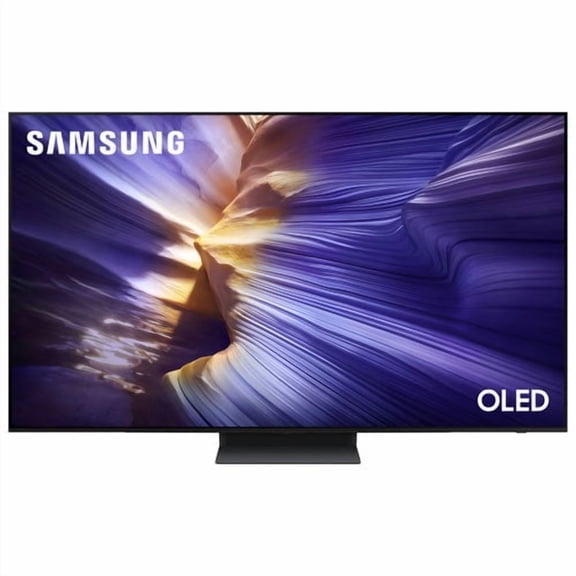
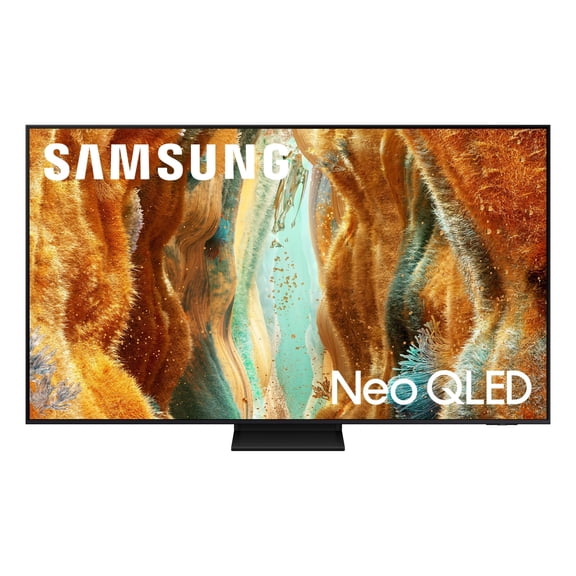
The difference between LED, OLED, and QLED TVs depends on the technology they use for their display. LED TVs use light-emitting diodes for backlighting the screen, which illuminates the liquid crystals in the display. OLED TVs, standing for Organic Light-Emitting Diodes, utilize individual organic compounds that emit light when an electric current is applied. This enables each pixel to emit its own light, providing superior contrast and deeper blacks. QLED TVs, or Quantum Dot LED TVs, employ tiny quantum dots to produce light. This technology allows for a much wider color gamut and better color accuracy than LED TVs. OLED TVs generally have a higher price tag than LED TVs due to their superior picture quality.
Determining the ideal TV size for your room depends on a variety of factors, including the distance between the TV and the viewer, the room's lighting conditions, and the seating arrangement. A general rule of thumb is to opt for a screen size that ranges between 40 and 60 inches, depending on the room's dimensions and the distance from the viewer to the screen. Measuring the dimensions of your room and the viewing distance can guide you in finding the perfect TV size for your needs.
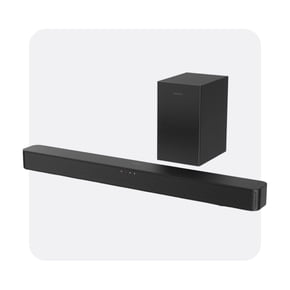
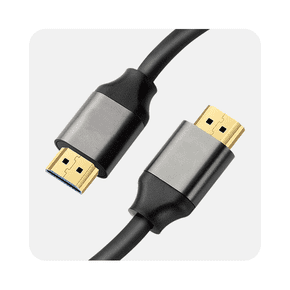
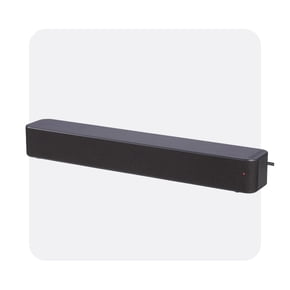
Connecting your TV to a home theater system involves several steps. Typically, you'll require an HDMI cable and an audio receiver or soundbar. It's crucial to verify the HDMI version compatibility between your TV and the audio receiver to ensure they can work together seamlessly. In some cases, you might also need an HDMI switch or a Bluetooth transmitter, depending on the devices you're connecting. As the process varies with different models and systems, it's advisable to refer to the user manuals of your specific devices for the most accurate instructions.
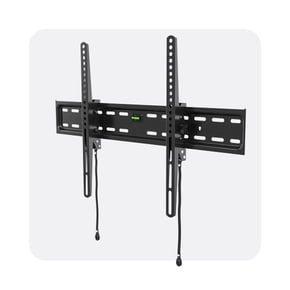
The type of mount you need for your TV depends on the size and weight of your TV, as well as the type of wall you're mounting it on. There are three main types of TV mounts: fixed mounts, tilt mounts, and full-motion mounts. Fixed mounts are best for lighter TVs and provide a secure installation, while tilt mounts allow for adjusting the angle of the TV. Full-motion mounts allow for swivel, tilt, and adjustable height, providing the most flexibility in viewing angles. Assess your TV's weight and wall type to choose the appropriate mount.