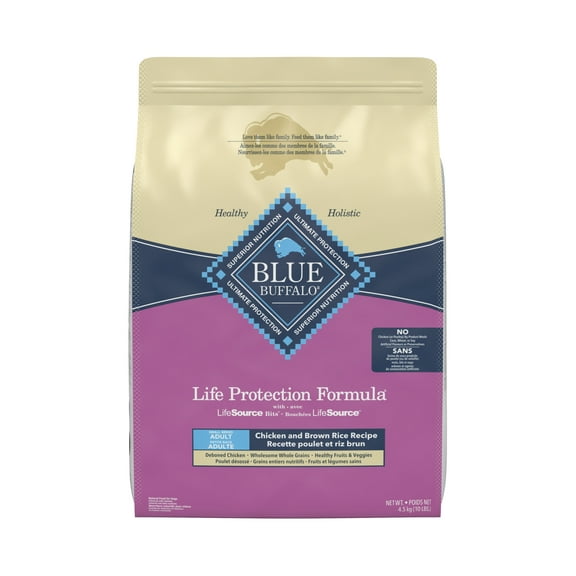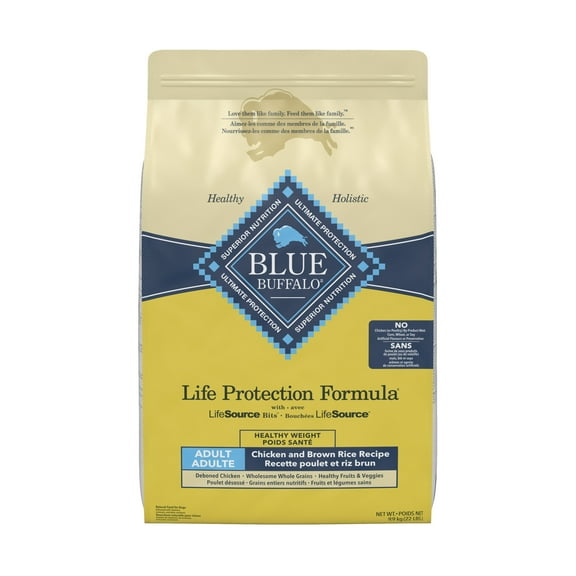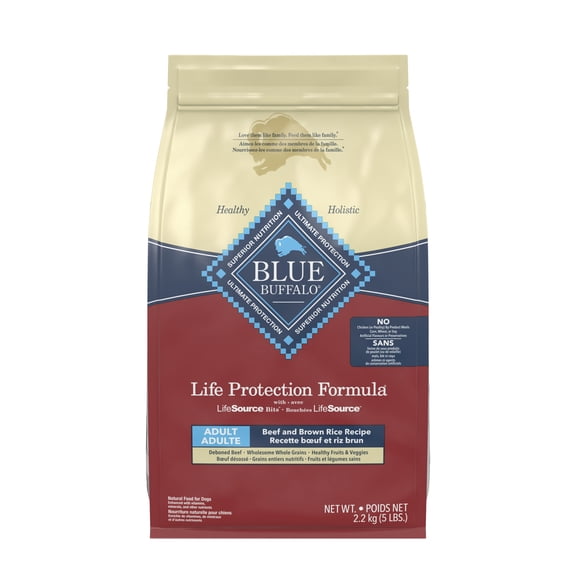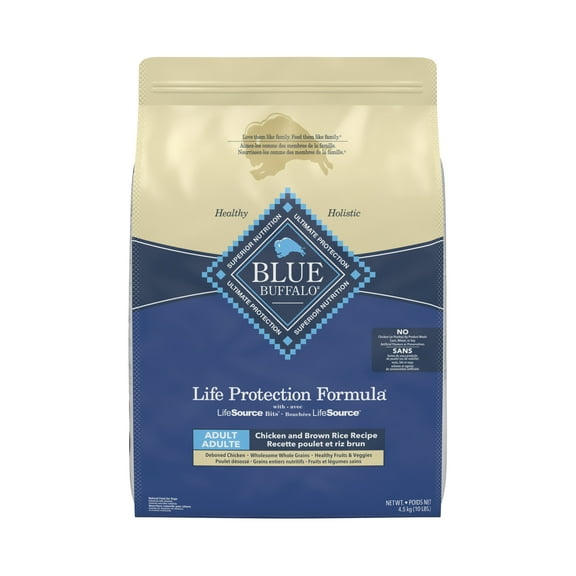





Puppy food
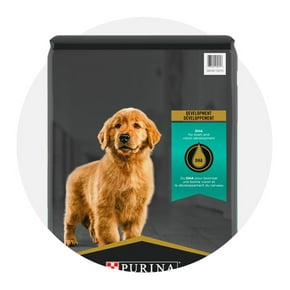
Fuel puppy's growth & energy with high-calorie, nutrient-rich food.

 How do you want your items?How do you want your items?




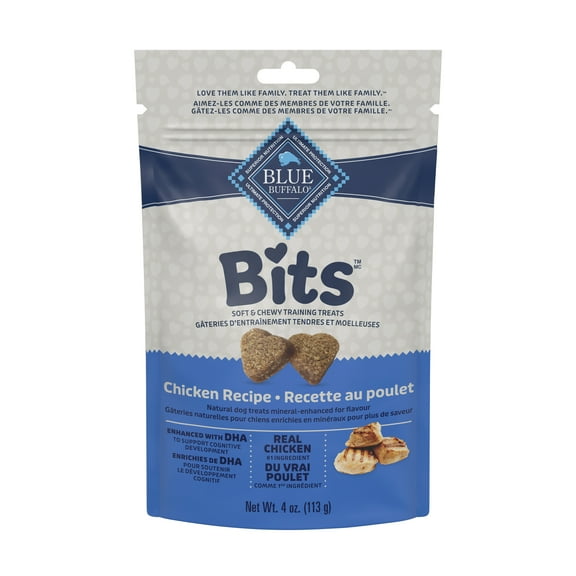


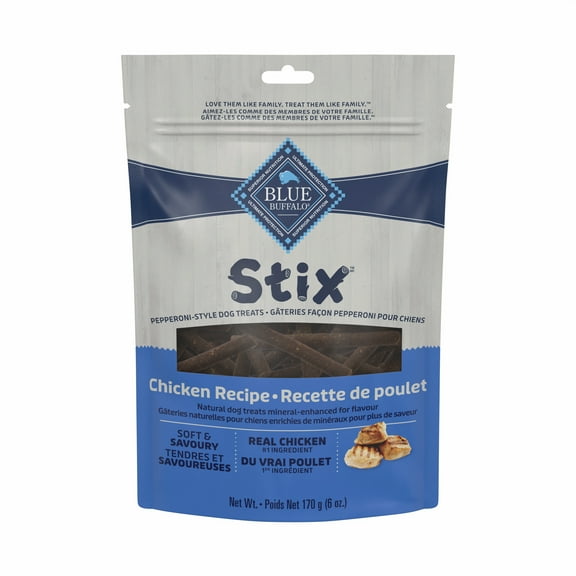

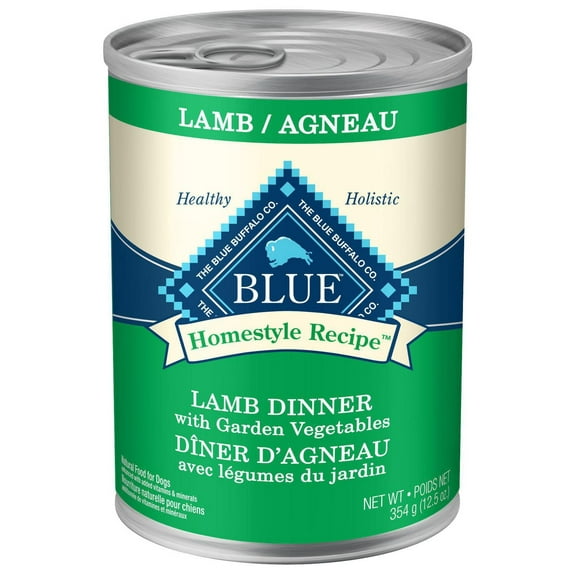
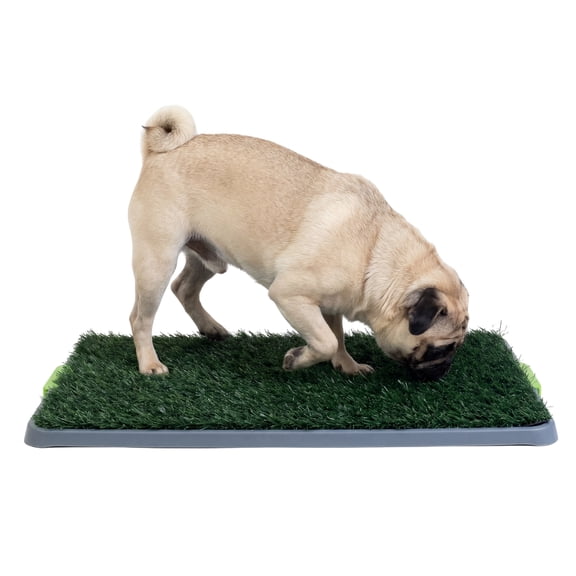

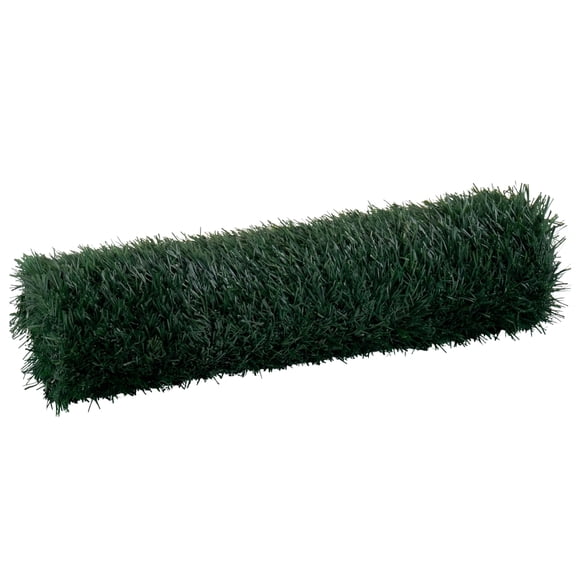

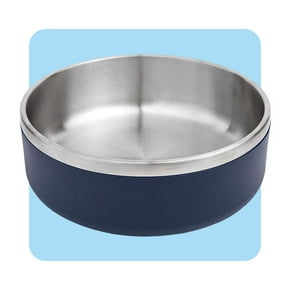
Firstly, you'll need a good quality puppy food that is nutritionally balanced for the needs of growing dogs. Puppies have different nutritional needs compared with adult dogs, so make sure you choose a product specifically designed for puppies. Next, you’ll need a comfortable bed for your puppy. It should be soft, warm and large enough for your puppy to grow into. It's also a good idea to get a couple of chew-resistant blankets. You'll also need a collar and leash that are appropriate for your puppy's size, not just for walks, but also for training. In addition, you'll need an ID tag with your contact information, in case your puppy ever gets lost. Toys are important for your puppy's development and entertainment. Chew toys, squeaky toys, and soft toys are all good choices. Puppies need to be trained early, so a supply of training treats is a must. These should be small, easily digestible treats that you can use to reward good behaviour. Don't forget a set of food and water dishes. Stainless steel or ceramic dishes are good choices as they are durable, easy to clean, and safe for your pet. You will also need grooming supplies, such as a puppy-friendly shampoo, a soft brush, and nail clippers.
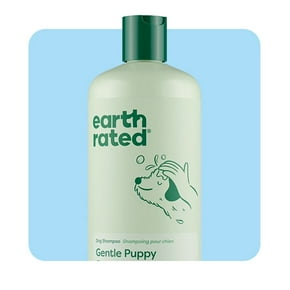
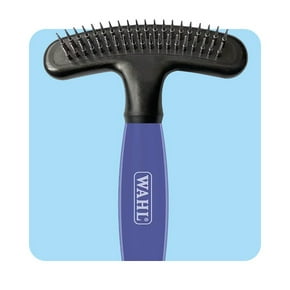
Maintaining your puppy's health and cleanliness is a vital aspect of pet ownership. It requires a variety of grooming supplies to ensure your puppy looks and feels its best. Firstly, you'll need a good quality dog shampoo that is specifically formulated for puppies. This will ensure your puppy's coat stays clean and free of any harmful parasites or irritants. An accompanying conditioner can help to keep your puppy's fur soft and manageable. A dog brush or comb is an essential grooming tool. The type of brush you need will depend on your puppy's coat. Regular brushing helps to keep your puppy's coat free of mats and tangles. Nail clippers or a grinder are another important grooming supply. You may also want to consider a styptic powder in case of any small cuts during nail trimming. Toothbrushes and toothpaste designed for dogs are vital for maintaining your puppy’s dental health. Brushing your puppy’s teeth regularly can help to prevent oral diseases. Ear cleaner and cotton balls should also be on your list. Regular ear cleaning can help to prevent infections, particularly in breeds with floppy ears. Finally, grooming wipes can be useful for quick clean-ups in between baths. They can be used to wipe your puppy's paws, face, or any dirty spots.
Puppy-proofing your home is crucial for both the safety of your new pet and the preservation of your belongings. It's similar to childproofing, in that you'll need to think from a low vantage point and consider anything that looks tempting to chew, swallow, or play with. Firstly, ensure that all small items, such as jewellery, coins, and children's toys, are out of reach. Keep shoes and other chewable items stored away securely. Next, check that all household chemicals are locked away. Many common cleaning products can be toxic to puppies. Also, make sure that all plants in your home are non-toxic, as some common houseplants can be poisonous to dogs. Use childproof latches on cabinets and doors to keep inquisitive puppies out. Ensure that there are no small spaces, nooks, or crannies where a puppy could get stuck. Secure and hide loose wires or cables. Puppies love to chew and might find these tempting. Ensure that all waste bins have lids and are secured. Puppies will often rummage through garbage bins. Lastly, remember to keep the toilet lid closed. A curious puppy might try to drink from the toilet, which is not hygienic.
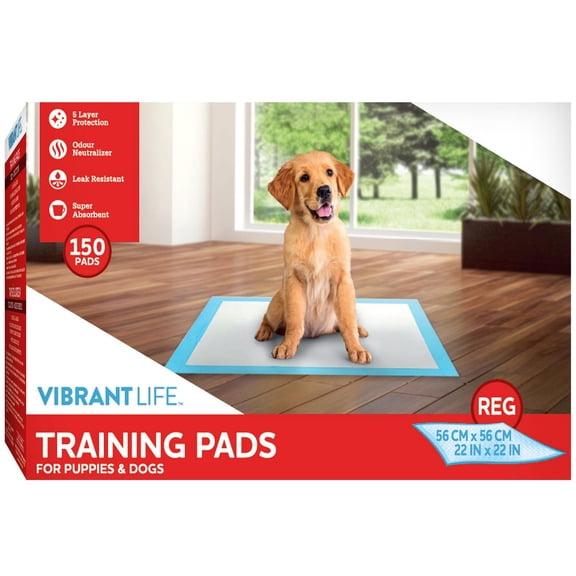
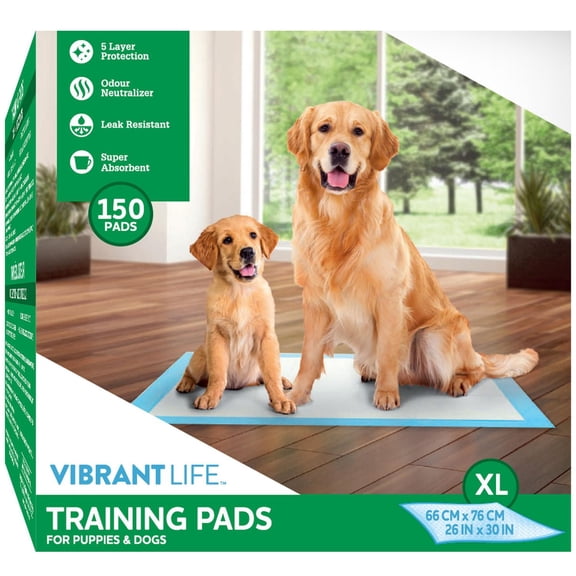
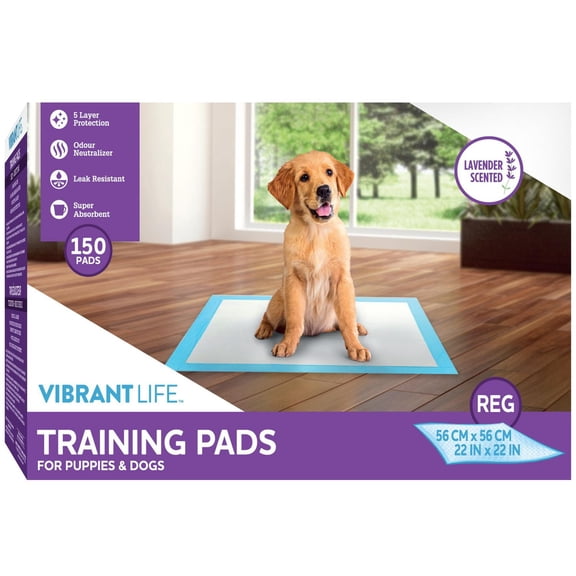
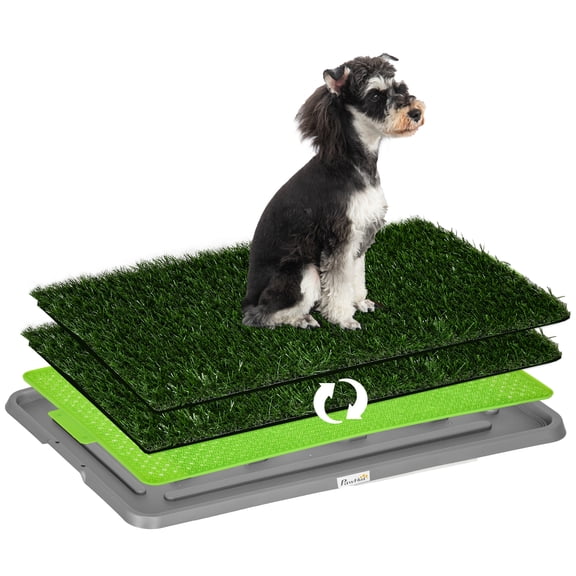
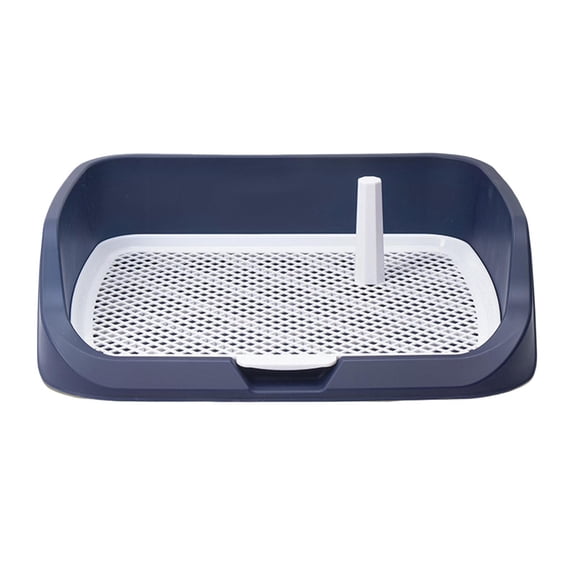
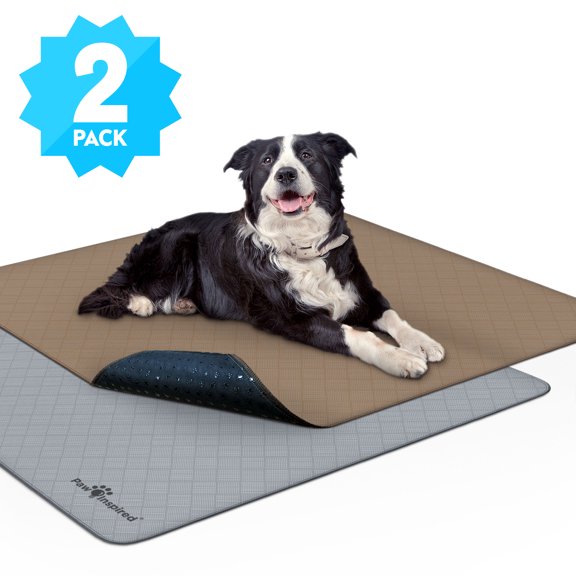
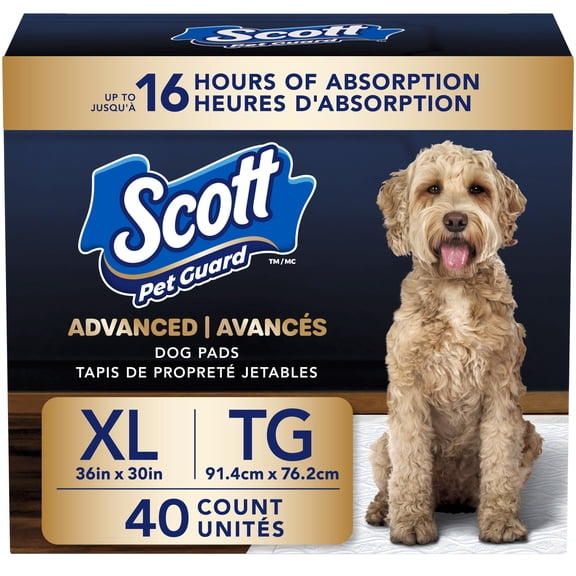
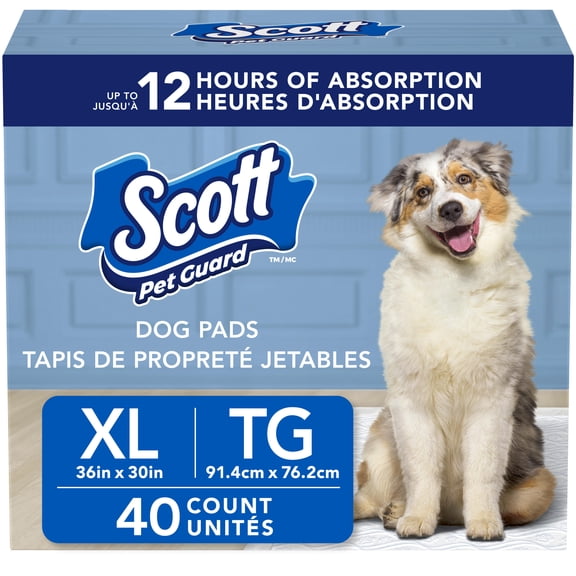
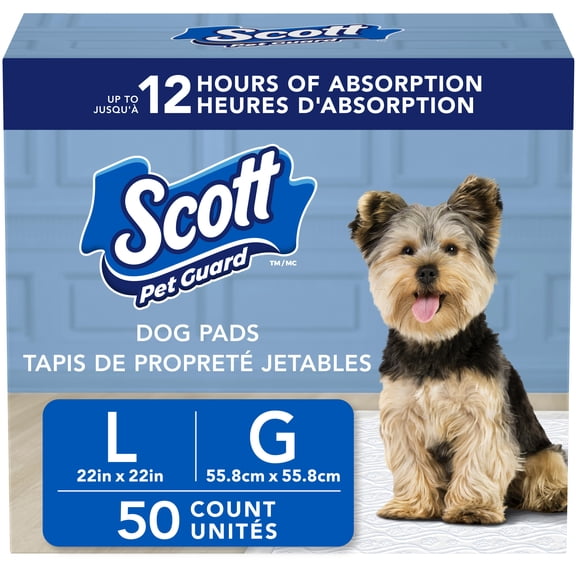
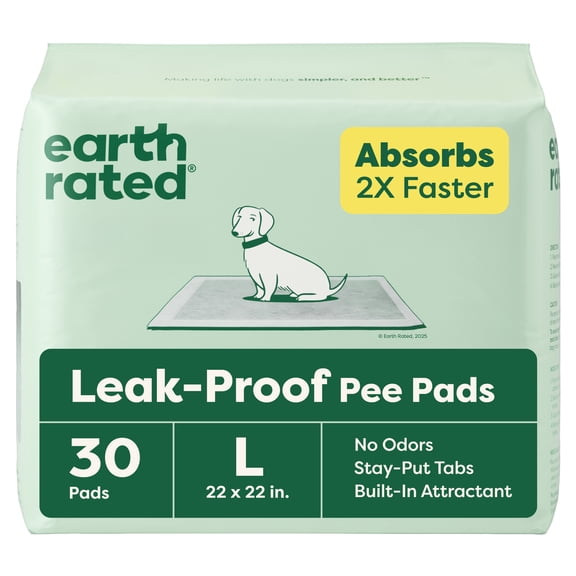
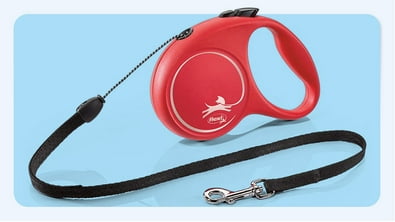
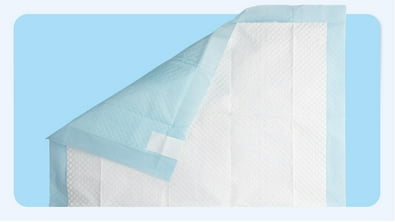
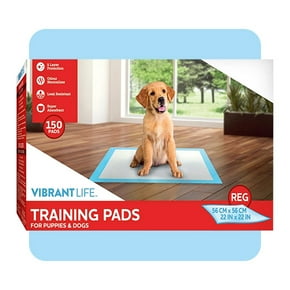
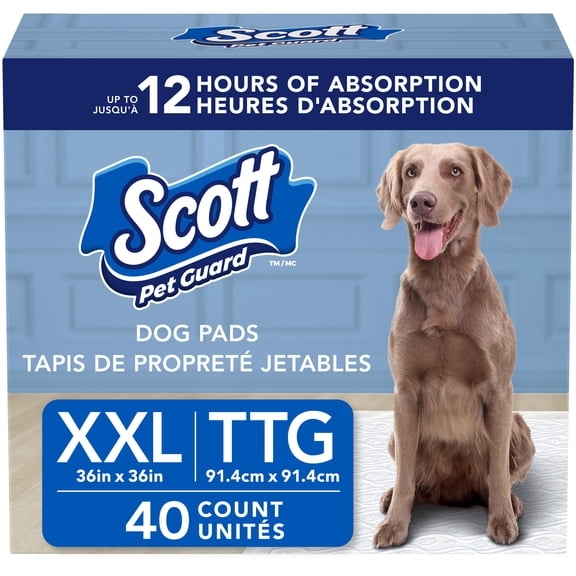
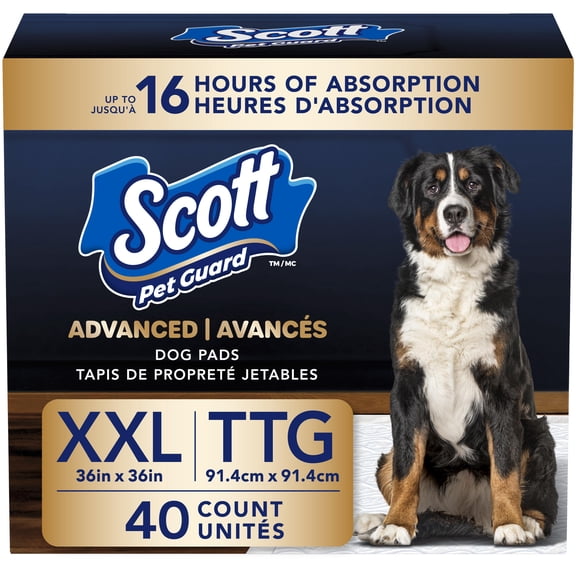
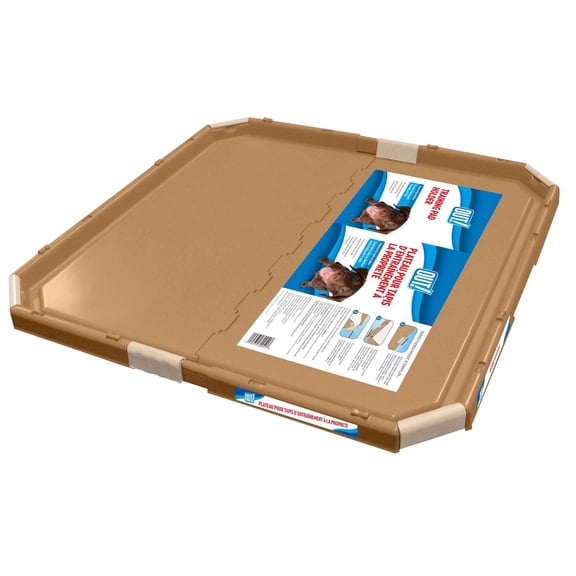
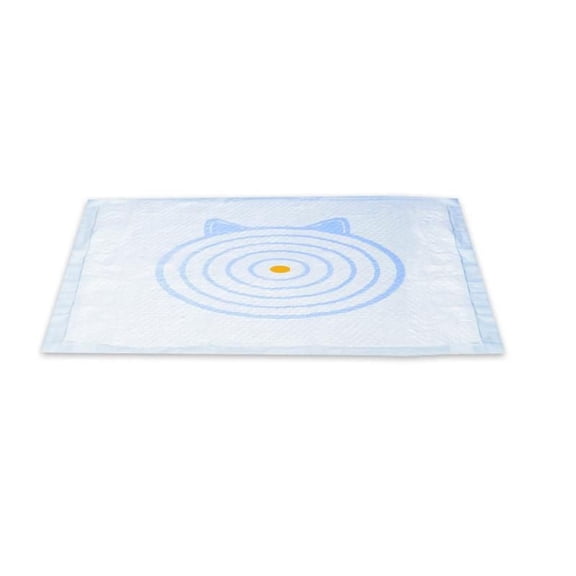
Training a puppy can be a fulfilling and enjoyable experience, but it also requires appropriate supplies to ensure success. One of the most essential supplies you need is a leash and a collar or harness. These tools help in controlling your puppy, especially during outdoor activities. You also need a crate. A crate is beneficial for house training and can serve as a safe space for your puppy. Choose a crate that is big enough for your puppy to stand, turn around, and lie down comfortably. Training treats are equally necessary. They serve as a positive reinforcement whenever your puppy behaves well or follows a command. Choose the ones that are specially made for puppies for nutritional suitability. It is also advisable to invest in chew toys. They not only keep your puppy entertained but also help in teaching him what is acceptable to chew. Puppy pads can also be useful, especially in the early stages of house training. They help to protect your floor and teach your puppy where to go. Remember, the most important supply you need in training your puppy is patience. Training takes time and consistency, so be ready to invest in both.
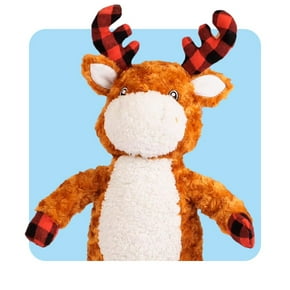
The frequency of replacing your puppy's toys depends on various factors, including their breed, size, age, and chewing habits. Typically, robust toys made from durable materials like hard rubber may last for several months, while others such as plush toys may need replacing more frequently due to quicker wear and tear. Pay close attention to the condition of the toys. If you notice significant signs of degradation, such as loose parts, broken pieces, or visible stuffing, it's time to replace the toy immediately. These can pose serious choking hazards. Also, keep in mind that puppies, similar to human children, undergo teething phases. During this time, they will likely chew more aggressively, and toys may need to be replaced more frequently. Generally, it's recommended to replace your puppy's toys every one to two months. Regularly inspecting toys for wear and tear and monitoring your puppy's interaction with them will also give you a more accurate idea of when replacement is necessary. Remember, investing in high-quality, durable toys may seem more expensive initially, but they often last longer, providing better value over time while ensuring your puppy's safety.
Firstly, consider the size of your puppy. Small toys may pose a choking hazard for large puppies, while toys designed for large breeds may be too difficult for a small puppy to handle. It's crucial to choose a toy that is appropriately sized for your puppy to ensure their safety and enjoyment. Next, take into account your puppy's breed. Some breeds are naturally more inclined to chew than others. For such breeds, you may need more durable toys to withstand their vigorous chewing. The chewing habits of your puppy should also be taken into account. Puppies that are teething might need softer chew toys to soothe their gums, while more aggressive chewers might benefit from harder, more durable toys. It is also essential to consider the toy's material. Look for toys made from non-toxic materials, as puppies tend to ingest parts of their toys while chewing. Lastly, ensure that the toy is engaging. Toys that squeak, bounce unpredictably, or hide treats within them can keep your puppy entertained for hours. Remember, the best chew toy for your puppy is one that is safe, durable, and fun. Always supervise your puppy while they're chewing to ensure they're not ingesting any parts of the toy.