

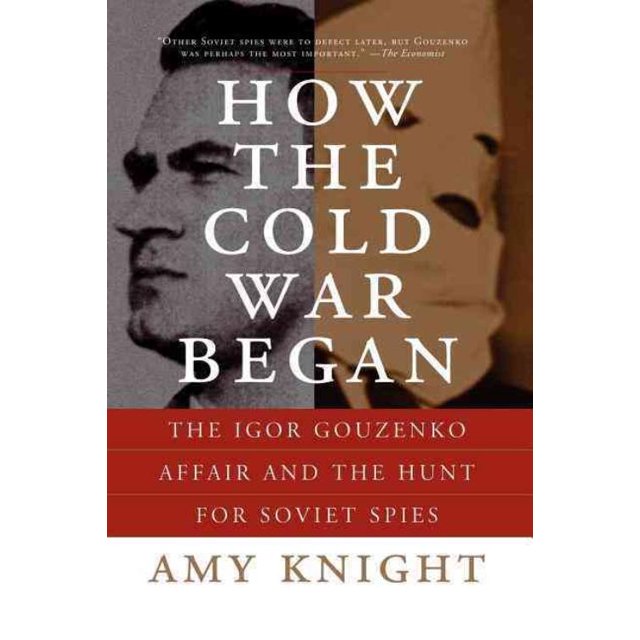
How the Cold War Began, Amy W. Knight Paperback
About this item
At a glance
- Book Format
- Paperback
- Genre
- History & Geography
- Publication Date
- 2006-01-01
- Number of Pages
- 355
- Publisher
- Avalon Publishing Group
Shop Confidently
Current price is CAD$206.00
Price when purchased online
$35 monthly*or $51.50 bi-weekly
Free seller delivery, arrives by Fri, Sep 25 to

Sold and shipped by Canada Prime Deals

Return policy
Walmart Rewards MastercardShop today, take time to pay
*6 monthly instalments
Terms and Conditions apply
Don’t have a Walmart Rewards Mastercard?Apply Now
 Pay in 4
4 bi-weekly payments of $51.50
Terms and Conditions / Quebec Terms and Conditions apply