

Mâts de tente et mâts de rechange(1000+)
Remplacez ou améliorez votre structure avec des arceaux de tente solides et légers.
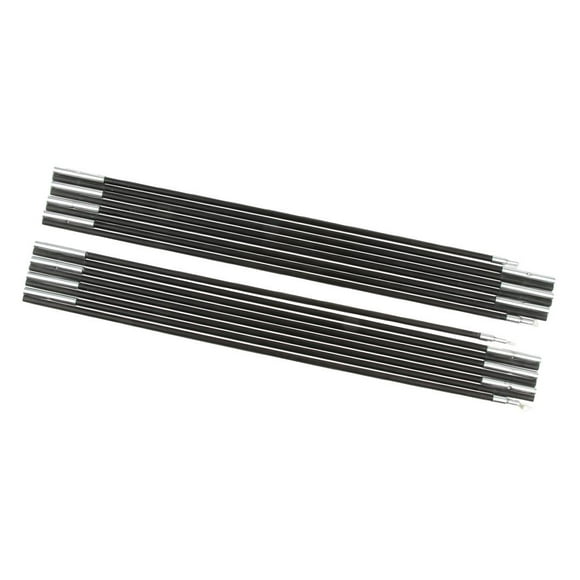
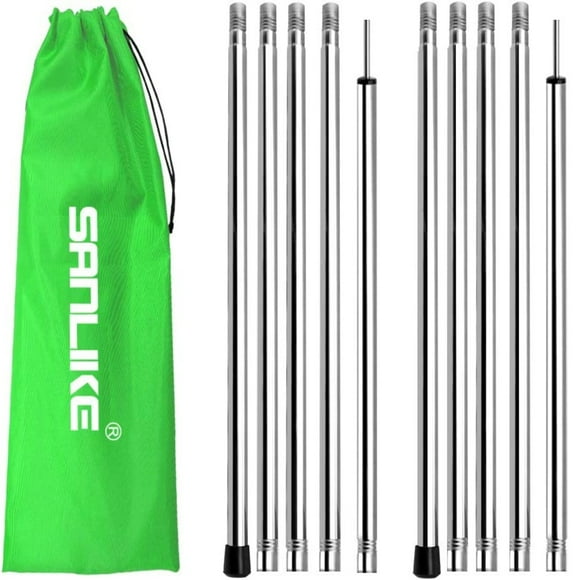
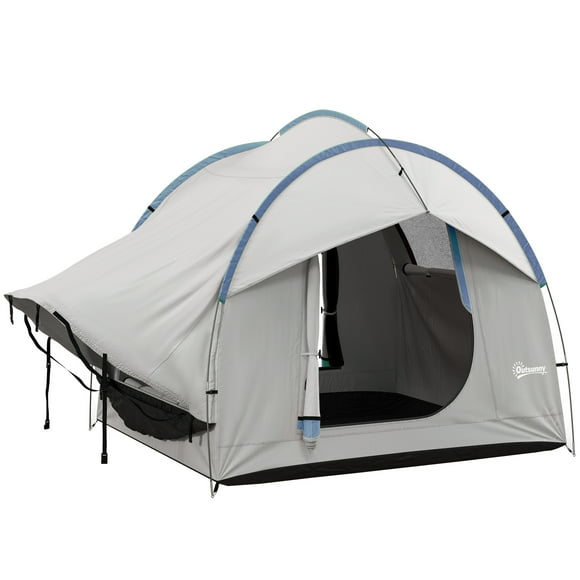
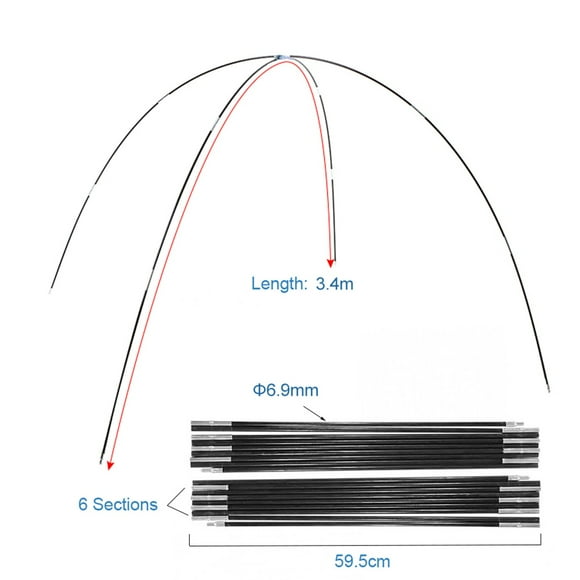

FAQs about Tent Poles
How do I measure tent poles for a replacement?
To measure tent poles accurately, you must determine the total length of the pole when fully extended and the outer diameter (OD) of the sections. Use a calliper or a precise ruler to measure the diameter in millimetres, as even a 1mm difference can prevent the pole from fitting through the tent's grommets or sleeves. If the original pole is broken, measure the individual segments and add them together, accounting for the overlap at the ferrules where the sections connect.
Can I use aluminum tent poles to replace fiberglass ones?
Yes, you can replace fiberglass poles with aluminum ones, provided the diameter and total length match. Upgrading to aluminum often improves the durability and reduces the weight of your tent. However, because aluminum has different flex characteristics than fiberglass, you should replace the entire pole assembly rather than just one segment. Mixing materials in a single pole can cause uneven tension, which may lead to the tent collapsing or the fabric tearing under wind pressure.
What should I do if a pole breaks while I am camping?
If a pole snaps in the field, you can use a repair sleeve, often called a "splint," to temporarily join the broken pieces. Slide the metal sleeve over the break and secure both ends with duct tape to keep it centered. If you do not have a sleeve, a sturdy tent stake or a straight branch can be taped to the pole to provide enough rigidity to get through the night. It is always recommended to buy proper replacement tent poles once you return home.
Are all camping poles universal in size?
No, camping poles are not universal and vary significantly in length, diameter, and attachment style. Some poles use rounded end-tips that fit into grommets, while others have hollow ends that fit over pins located at the tent corners. Before purchasing, verify the attachment method and the specific diameter of your current set. While universal repair kits exist, they usually require the user to cut the sections to the specific length required for their specific tent model.
Which material is better for high-wind conditions?
Aluminum is generally better for high-wind conditions because it is more resilient and less likely to shatter than fiberglass. Under extreme force, an aluminum pole may bend, but it will usually continue to hold the tent up. Fiberglass is more brittle and can splinter or snap completely when pushed past its limit. For four-season camping or exposed alpine environments, heavy-duty aluminum or high-quality alloy poles are the standard choice for safety.
Can I buy individual segments instead of a whole pole?
Many replacement kits allow you to buy individual sections or a set of segments that you can customize. This is a cost-effective way to fix a single damaged area without replacing the entire support structure. Ensure the ferrule—the part that inserts into the next section—is compatible with your existing poles. If your tent uses a specific pre-bent arch, you may need to contact the manufacturer or look for a kit designed for curved structures.