


Bird Cages(1000+)
Provide secure and spacious homes for feathered friends with bird cages.








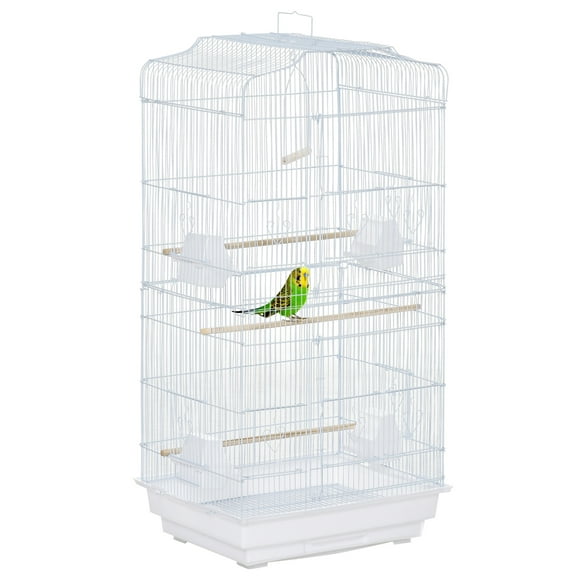


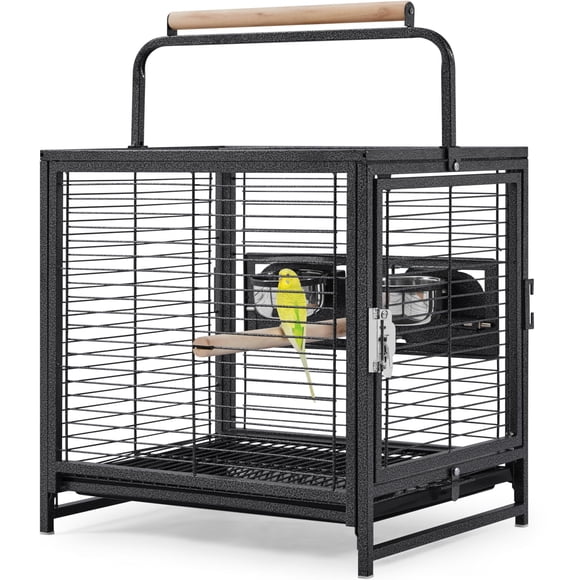
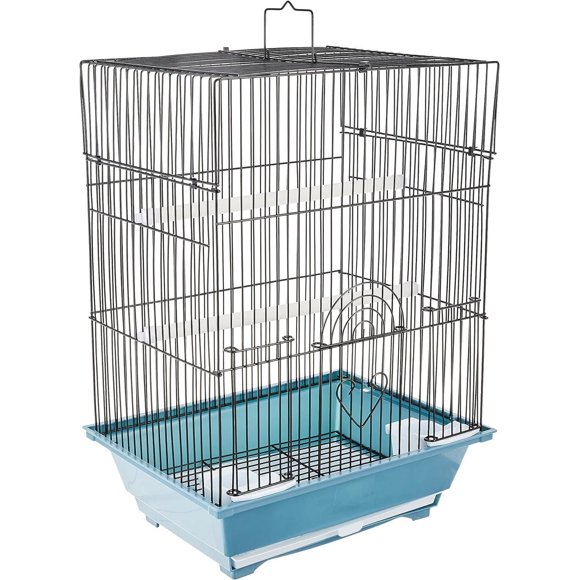
FAQ - Bird Cages
What size bird cage should I get?
Choosing the right size cage depends on the species. Your bird should be able to spread its wings fully inside the enclosure. A good guideline: the width should be at least twice the wingspan of the bird. For smaller birds you might need something modest, but for larger parrots give them a wide, deep space—not just tall. One article emphasises that insufficient room can lead to stress, feather damage or behavioural issues.
How important is bar spacing and material?
Bar spacing and materials are critical for safety. If spacing is too wide, a bird can escape or get its head stuck; too narrow or weak, and climbing or chewing may cause damage. The cage material should be durable, non-toxic, and well-constructed (rust free, strong welds). Always check for sharp edges, unstable parts or coatings that may chip.
What shape and design features should I look for?
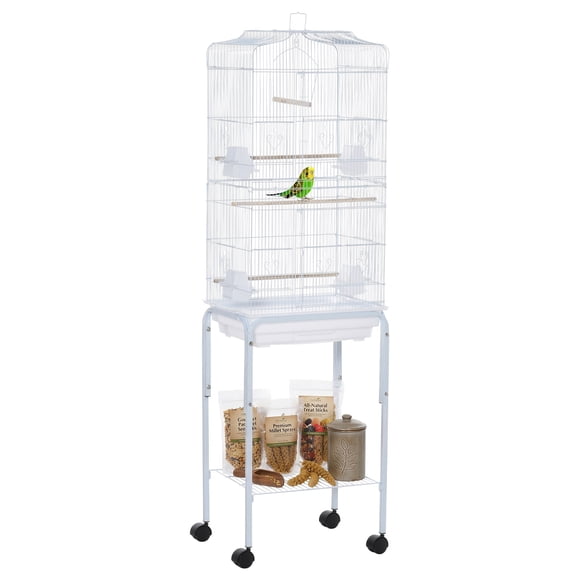
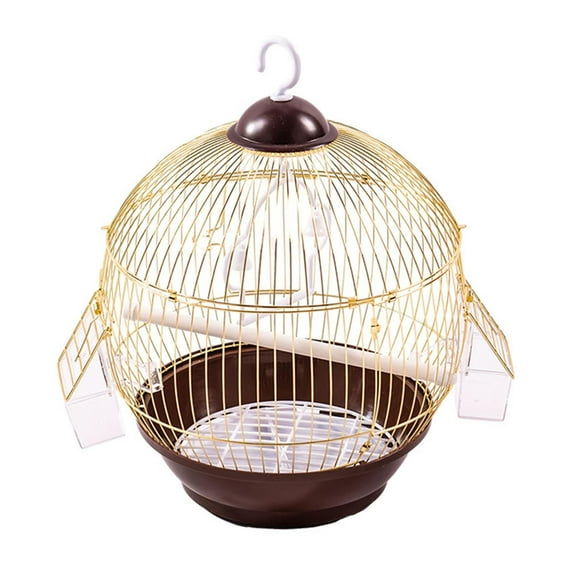
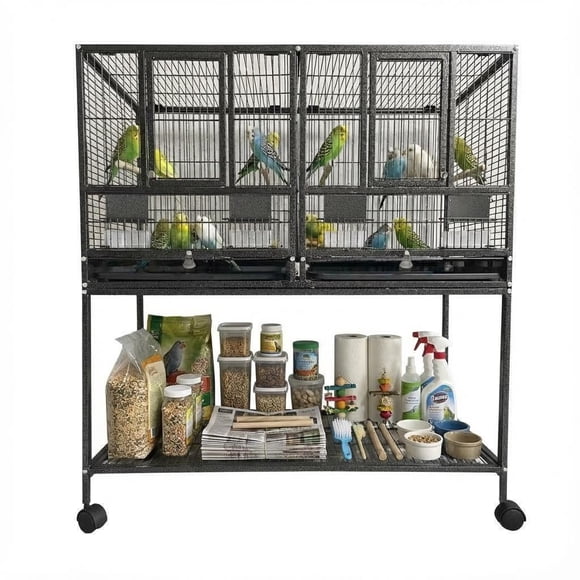
Avoid round cages because they reduce usable corners and may feel less secure to the bird. Rectangular cages provide more usable space and support perches and toys better. Look for practical features like large doors for access, external food doors, pull-out trays for cleaning, and sturdy locks (especially if the bird is clever).
Where should the cage be placed in the home and how should it be set up?
Place the cage in a part of the house where the bird feels part of the household—not isolated but also not in the busiest or noisiest spot. Avoid kitchens, drafts, direct sunlight or spots near windows with predators outside. Use perches at different heights and provide toys to encourage movement and enrichment. Clean the bottom tray and accessories regularly to maintain health.
How do I maintain and clean the bird cage properly?
Good maintenance ensures the bird stays healthy and the cage lasts. Choose a cage with an easy-remove tray and grate so waste falls away from the bird. Clean food and water dishes daily with safe detergents and replace liners frequently. Deep-clean the cage structure periodically—disassemble if needed to thoroughly remove debris, dried food, droppings and toys—to avoid bacteria or other hazards.