Dog Treats(1000+)
Shop dog treats, dog bones, dog cookies, dog chews and more from top brands!


FAQ – Dog Treats
What are the best dog treats for training my puppy?
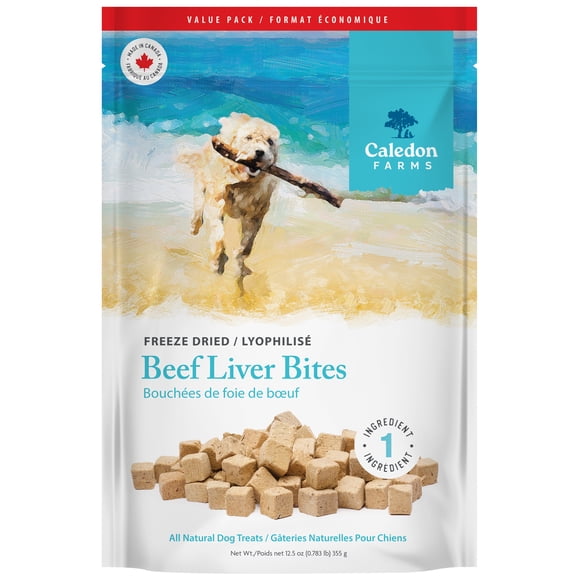
When it comes to training your puppy, choosing the right treats can make a big difference. Look for treats that are small, soft, and easy to chew, such as freeze-dried liver or chicken strips. These treats are not only tasty but also provide a gentle reward for your puppy's good behavior. Another option is training treats specifically designed for puppies, which often come in a variety of flavors and textures. These treats are usually made with wholesome ingredients and are designed to be easy to digest. When selecting treats for training, be sure to choose ones that are low in calories and fat to avoid overfeeding your puppy. Additionally, always check the ingredient list and look for treats that are made with Canadian-sourced ingredients.
Are dog treats necessary for my dog's health?
While dog treats can be a fun and rewarding way to interact with your dog, they are not necessarily essential for your dog's health. In fact, overfeeding your dog with treats can lead to weight gain and other health issues. However, treats can be a useful tool for training, socialization, and providing mental stimulation. They can also be used to help with specific health issues, such as dental health or anxiety. When choosing treats for your dog, it's important to select ones that are made with wholesome ingredients and are suitable for your dog's age, size, and health status. Always consult with your veterinarian before introducing new treats into your dog's diet.
How often should I give my dog treats as a snack?
When it comes to giving your dog treats as a snack, it's essential to do so in moderation. Overfeeding your dog with treats can lead to weight gain and other health issues. A general rule of thumb is to limit treats to 10% of your dog's daily calorie intake. This means if your dog's daily calorie needs are 1,000 calories, treats should not exceed 100 calories. You can also consider giving your dog treats in moderation, such as 1-2 treats per day, depending on their size and activity level. Always consult with your veterinarian for personalized advice on treating your dog.
What are the benefits of giving my dog dental chews as treats?
Giving your dog dental chews as treats can have several benefits for their oral health. Dental chews can help reduce tartar and plaque buildup, freshen breath, and even reduce bad breath. They can also help to strengthen tooth enamel and reduce the risk of tooth decay. Additionally, dental chews can help to reduce the risk of gum disease and promote healthy gums. Some dental chews also contain ingredients that help to reduce inflammation and soothe gums. By incorporating dental chews into your dog's treat routine, you can help to maintain good oral health and reduce the risk of dental problems. Always choose dental chews that are specifically designed for dogs and follow the recommended usage guidelines.
Can I use dog treats to help with my dog's anxiety?
Yes, dog treats can be used to help with your dog's anxiety. Certain treats, such as those containing L-theanine or chamomile, can have a calming effect on dogs. These treats can be used in conjunction with other anxiety-reducing methods, such as training and desensitization, to help alleviate your dog's anxiety. When selecting treats for anxiety relief, look for ones that are specifically designed for this purpose and follow the recommended usage guidelines. It's also important to consult with your veterinarian before introducing new treats into your dog's diet, especially if your dog has a pre-existing condition or is taking medication. With the right combination of treats and training, you can help your dog feel calmer and more comfortable.