


Dog training collars & shock collars(1000+)
Train safely and reinforce commands using dog training collars shock collars.






FAQ - Dog Shock & Bark Collar
What is a shock collar (also called training collar or bark collar)?
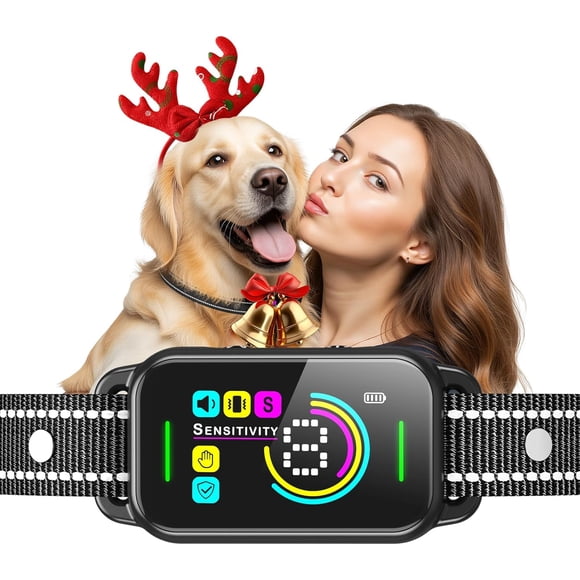
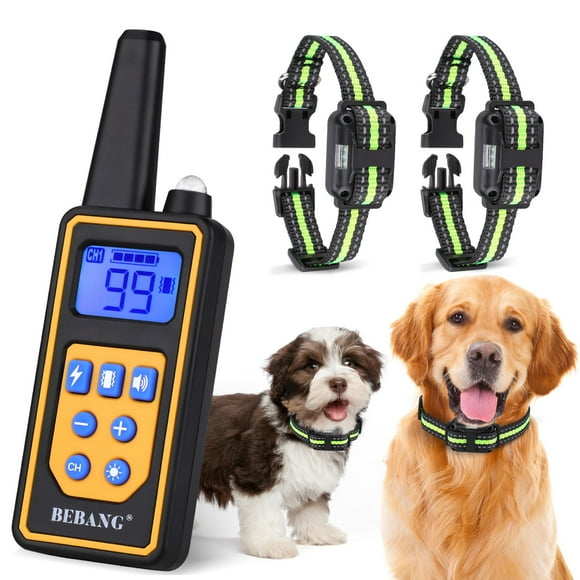
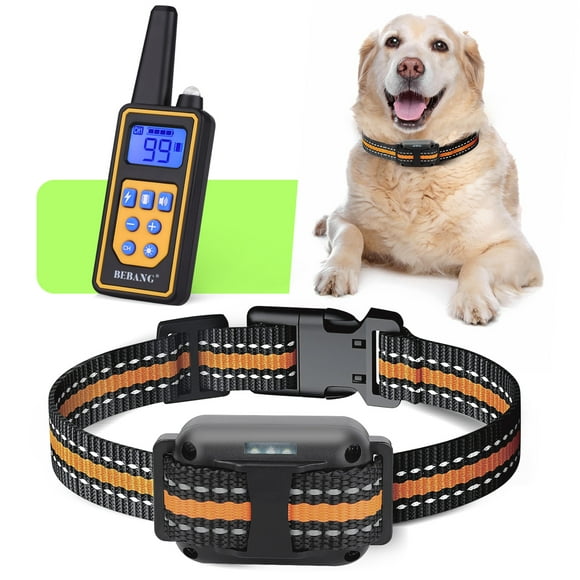
A shock collar, also known as a training collar or bark collar, is a device used to assist in dog training and behavior correction. It works by delivering a mild electrical stimulation, vibration, or audible tone to the dog when triggered by a remote or an automatic sensor. These collars are commonly used to discourage unwanted behaviors such as excessive barking, aggression, or ignoring commands. Modern collars often feature adjustable intensity levels and alternative modes like vibration or sound for humane training. When used properly and combined with positive reinforcement, they can be an effective tool for improving obedience.
At what age can I start using a shock collar on my dog?
Dogs should generally be at least 6 months old before introducing a shock collar, also called a training collar or bark collar. Puppies younger than this are still developing physically and mentally, making them more sensitive to corrective stimuli. Starting too early can lead to fear or anxiety rather than effective learning. Before using a shock collar, ensure your dog understands basic commands through positive reinforcement. The collar should be used as a training aid, not a punishment tool. Always begin with the lowest setting and monitor your dog’s response to maintain safety and encourage proper behavior.
What is the difference between a bark collar and a training collar?
A bark collar and a training collar serve different purposes in dog behavior management. A bark collar is designed to automatically detect and respond to a dog’s barking, typically using sensors that trigger a corrective stimulus such as vibration, tone, or mild shock. It works without owner intervention and is mainly used to reduce excessive barking. In contrast, a training collar is controlled manually by the owner through a remote, allowing real-time corrections during obedience training or behavior modification. While both use similar technology, the key difference lies in their activation method and intended use—automatic for barking, manual for training.
Are there rechargeable shock collars?
Yes, rechargeable shock collars are widely available for training pets, especially dogs. These collars typically include a built-in lithium-ion battery that can be charged using a USB cable or a dedicated charging dock. They offer adjustable stimulation levels, ranging from mild vibration to stronger static correction, and often include additional features like remote control, waterproof design, and long battery life. Rechargeable models are preferred over disposable battery versions because they reduce the hassle of frequent battery replacement and provide consistent performance. Many brands also include safety features such as automatic shut-off to prevent prolonged stimulation during training sessions.
What precautions should I take when using a shock collar?
When using a shock collar, prioritize your pet’s safety and comfort. Start with the lowest stimulation level and gradually adjust only if necessary. Never use the collar as punishment; it should reinforce training commands like “sit” or “stay.” Limit sessions to short periods to avoid stress or skin irritation. Ensure the collar fits snugly but not too tight—two fingers should fit under the strap. Regularly check for signs of discomfort or injury. Avoid leaving the collar on for extended hours. Always read the manufacturer’s instructions and consult a professional trainer if unsure about proper usage. Consistency and patience are key.