






Dog crates(1000+)
short periods of time—keep pets comfy. See what’s new.





FAQ about Dog Crates
What size dog crate should I buy?
A properly sized dog crate allows your dog to stand up, turn around, and lie down comfortably. Measure your dog’s height and length, then add a few inches to find the right fit. A crate that's too small will be uncomfortable, while one too large may reduce your dog’s sense of security and make housetraining harder. Many crates include dividers, which are useful for growing puppies. For travel or crate training, always ensure the size supports comfort and safety. Refer to manufacturer sizing charts to match your dog’s breed and weight range accurately.
What’s the difference between wire, plastic, and fabric crates?
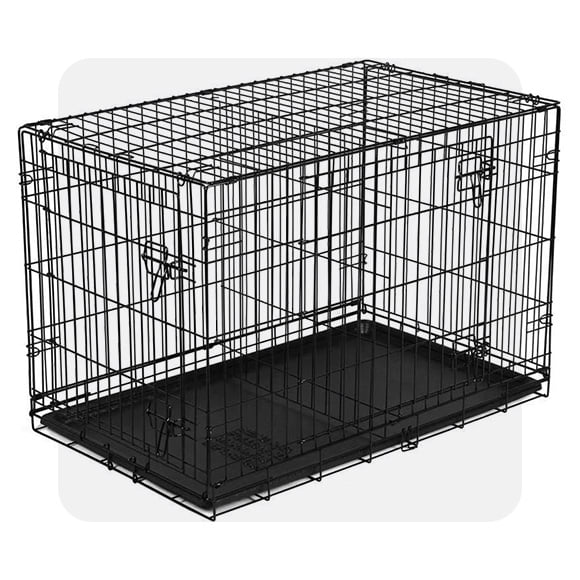
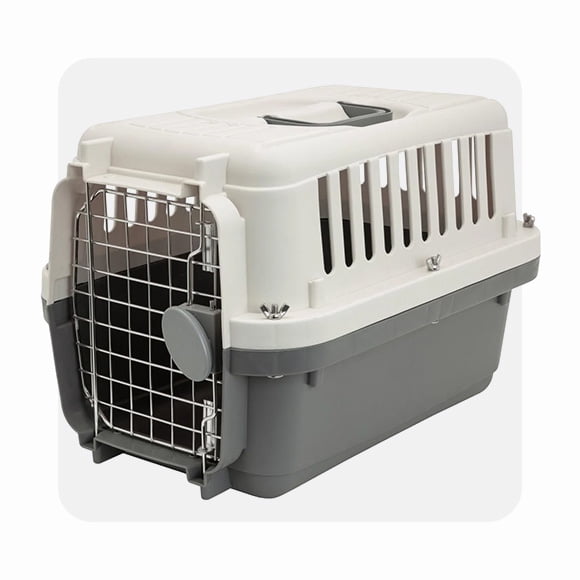
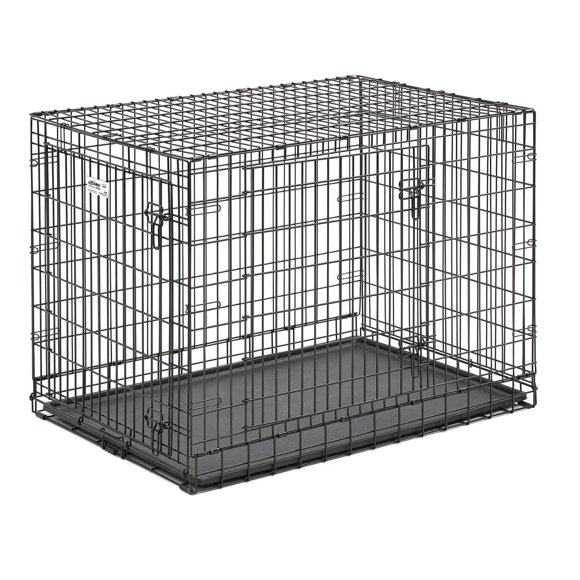
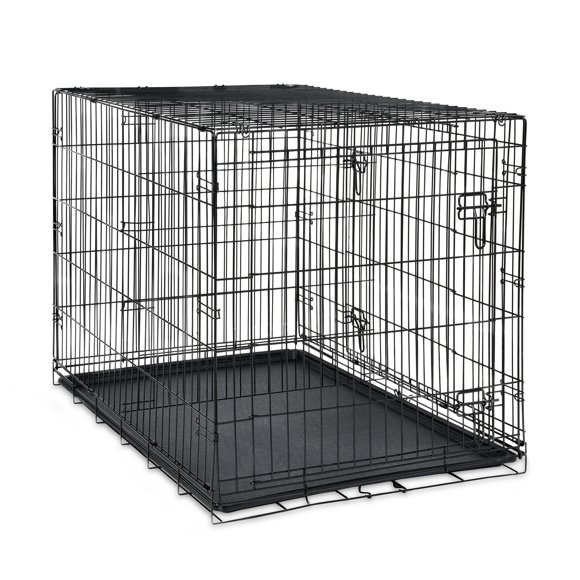
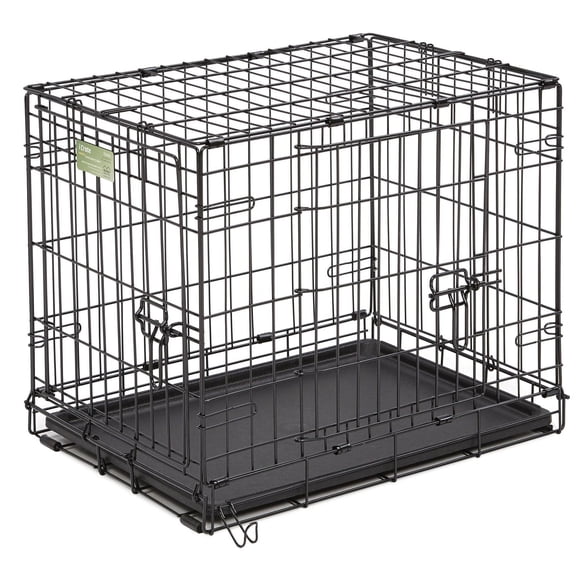
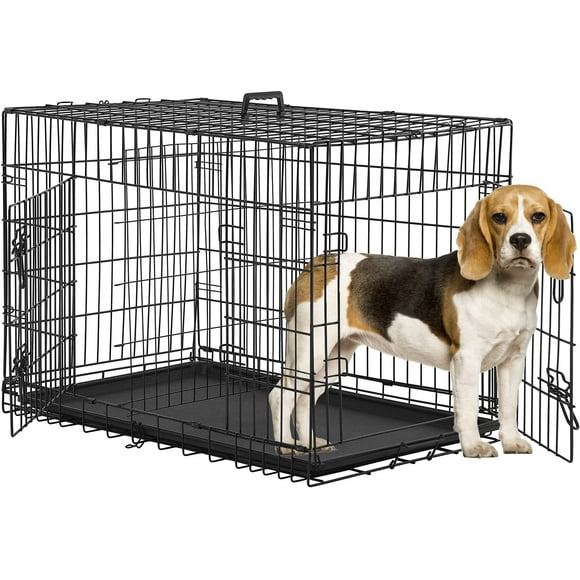
Wire crates are durable, well-ventilated, and often foldable for storage. They're great for indoor use and housetraining. Plastic crates offer more privacy and are commonly used for travel, including airline-approved options. They’re sturdier but bulkier. Fabric crates are lightweight and portable, ideal for calm dogs during travel or outdoor activities, but not suitable for chewers or escape artists. Each type has pros and cons depending on your dog’s behavior, size, and use case. Choose based on your specific needs—whether for travel, home use, or training.
Can a dog sleep in a crate overnight?
Yes, many dogs sleep comfortably in crates overnight, especially if properly crate trained. The crate should be placed in a quiet area, ideally near where you sleep, to help your dog feel secure. Use soft bedding, but avoid items that could be chewed and swallowed. Puppies may need bathroom breaks during the night, so be prepared for interruptions. Adult dogs can typically sleep 7–9 hours without issue. Keep the crate door closed if your dog is calm and settled, or open if they're fully house-trained and prefer freedom. A consistent bedtime routine helps reinforce crate comfort.